The Hyper-Local Hub: Optimizing Small Business Catering for Today’s Demanding Customer
The Shifting Landscape of Food Service
The contemporary food service industry is undergoing a profound transformation, driven by evolving consumer expectations and technological advancements. Gone are the days when catering was solely the domain of large-scale events or traditional restaurants. Today, the market is increasingly segmented, with a growing demand for specialized, agile, and hyper-local catering solutions. Small businesses, particularly those operating within the food service sector, are finding themselves at a critical juncture. The ability to adapt to the nuances of on-demand services, efficient logistics, and personalized customer experiences is no longer a competitive advantage but a fundamental necessity for survival and growth. This shift necessitates a critical examination of how traditional catering models can be reimagined to meet the demands of a market that values speed, convenience, and quality, all delivered within a localized context.
Deconstructing the Modern Catering Demand
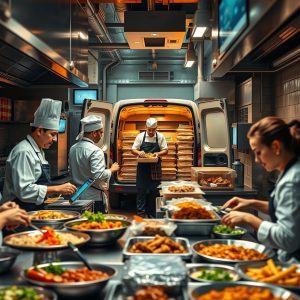
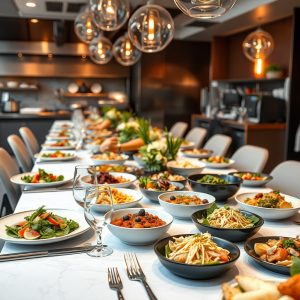
The traditional event catering model, characterized by extensive planning, large-scale production, and on-site service, is now complemented by a diverse array of needs. Corporate catering, for instance, has expanded beyond annual galas to include regular team lunches, client meetings, and internal training sessions, often requiring flexible, drop-off solutions. Home catering services are seeing a resurgence, not just for parties, but for families seeking convenient, high-quality meal solutions for busy weeknights. The rise of the cloud kitchen business further exemplifies this trend, decoupling food preparation from a physical storefront and enabling a focus on delivery and pickup services. This diversification means that a food catering business must be adept at managing multiple service types, from elaborate event spreads to simple meal delivery services, each with its own logistical and customer service requirements.
The Crucial Role of Logistics and Delivery
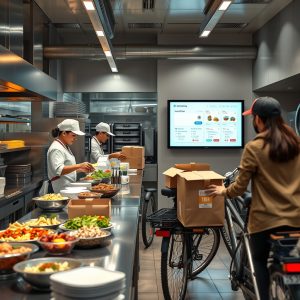
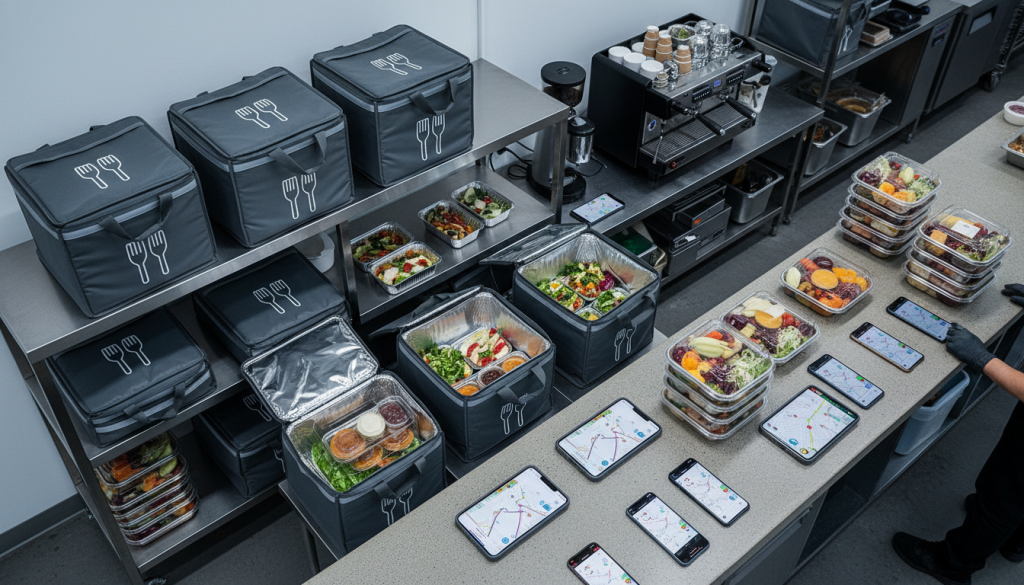
At the heart of these evolving catering services lies the mastery of logistics. For a food catering business, especially a small one, efficient pickup and delivery service is paramount. This encompasses not only the timely transportation of food but also its preservation in optimal condition. Temperature control, packaging integrity, and route optimization are no longer secondary considerations; they are integral to the customer experience. Express delivery service, once a niche offering, is becoming a standard expectation, forcing businesses to refine their on-demand services. A well-executed catering delivery service can differentiate a business significantly, transforming a simple meal delivery into a premium experience. This requires investment in technology, from order management systems to real-time tracking, and a deep understanding of local geography to ensure swift and reliable delivery.
Customer Service Excellence in a Digital Age
Beyond the physical delivery, customer service excellence remains a cornerstone, albeit one that has been profoundly influenced by digital interaction. Online catering orders have become the norm, making the user experience of a website or app as critical as the food itself. Clear menus, easy navigation, secure payment gateways, and responsive communication channels are essential. For small businesses, a personal touch can still be a powerful differentiator. This might involve proactive communication about delivery times, accommodating special dietary requests with meticulous attention, or providing follow-up to ensure satisfaction. The feedback loop, facilitated by online reviews and direct communication, is invaluable for continuous improvement. A cloud kitchen business, for example, must excel in both its digital front-end and its operational back-end to foster trust and loyalty.
Bridging the Gap: From Retail to Catering
The lines between traditional retail shop services and food service businesses are blurring. Local shops are increasingly exploring ancillary services like food pickup service or offering curated meal kits. This presents an opportunity for small businesses to leverage their existing customer base and local presence to enter the catering market. A small bakery, for instance, can expand its offerings to include drop-off catering for office meetings, utilizing its existing kitchen and delivery infrastructure. Similarly, a local grocery store could enhance its customer service by offering prepared meals for pickup and delivery. The key is to identify synergies and to develop a catering offering that is authentic to the brand and meets a clear local need. This requires a strategic approach to product development, pricing, and marketing, ensuring that the expanded services are integrated seamlessly with existing operations.
The Power of Specialization and Agility
In a crowded market, specialization can be a powerful strategy for small businesses. Instead of trying to be everything to everyone, focusing on a niche, such as vegan event catering, corporate lunch boxes, or express delivery of family meals, can attract a dedicated clientele. This focus allows for greater efficiency in operations, marketing, and customer service. Agility is equally important. The ability to quickly pivot to new service models, adapt to changing customer preferences, or respond to unexpected demand is crucial. A business that can offer on-demand services, flexible ordering options, and rapid turnaround times will naturally attract customers who value convenience and immediacy. This agility is often a natural strength of smaller operations, which can be less burdened by bureaucratic processes than larger corporations.
Ultimately, success in today’s catering landscape for small businesses hinges on a holistic approach. It requires a deep understanding of customer needs, a robust and efficient logistics network, and a commitment to exceptional customer service, both online and offline. By embracing technology, specializing strategically, and maintaining agility, local food service businesses can not only compete but thrive, offering tailored solutions that resonate with the modern consumer seeking quality, convenience, and reliability. The integration of these elements creates a compelling value proposition that fosters loyalty and drives sustained growth.