Elevating Event Dining: The Art of Thematic Culinary Design and Interactive Food Stations
In the realm of event catering, the fusion of art and science is creating dining experiences that are as memorable as they are delicious. Thematic culinary design and interactive food stations are at the forefront of this revolution, transforming ordinary gatherings into extraordinary celebrations.
Thematic Culinary Design
Thematic culinary design is about more than just aesthetics; it’s about creating a cohesive and immersive dining experience that aligns with the event’s theme. Whether it’s a medieval feast, a tropical luau, or a futuristic gala, the menu and presentation should reflect the event’s theme. This approach not only enhances the visual appeal but also engages the guests’ senses, creating a more memorable experience.
Immersive Menu Designing
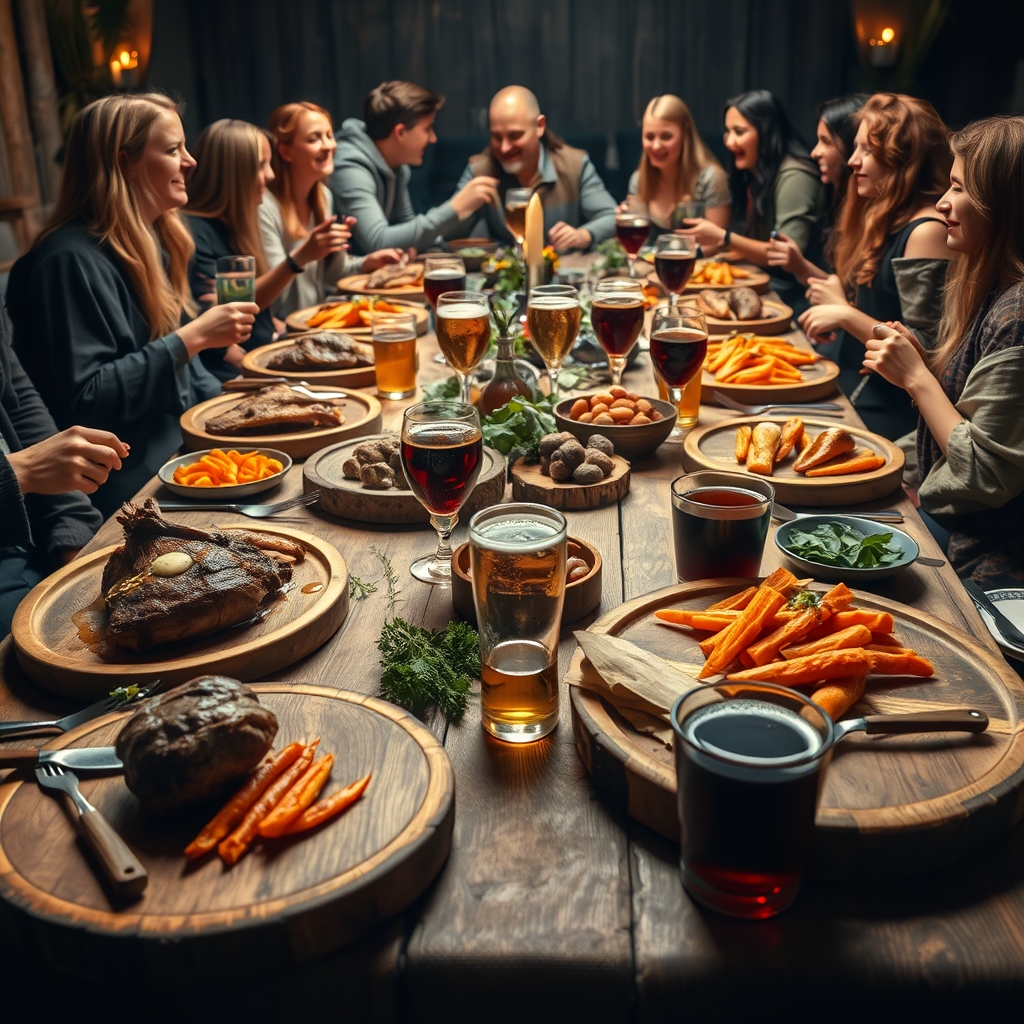
Immersive menu designing is a key component of thematic culinary design. It involves creating a menu that tells a story and engages the guests’ senses. For instance, a medieval-themed event might feature dishes like roasted lamb with mint sauce and honey-glazed carrots, accompanied by a selection of meads and ales. The presentation of these dishes should be reminiscent of the medieval era, with items like wooden serving boards, rustic utensils, and natural, earthy colors.
Sensory Food Presentation
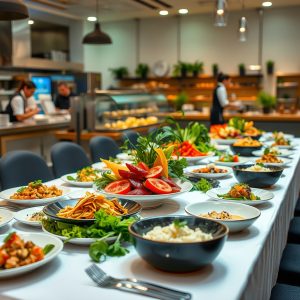
Sensory food presentation is another crucial aspect of thematic culinary design. It involves using visual, tactile, and even auditory elements to enhance the dining experience. For example, a tropical luau might feature dishes like pineapple-glazed ham, coconut-crusted fish, and mango salsa, presented on a bamboo platter with a tropical leaf garnish. The use of fresh, vibrant colors and the sound of a ukulele playing in the background can further immerse the guests in the theme.
Interactive Food Stations
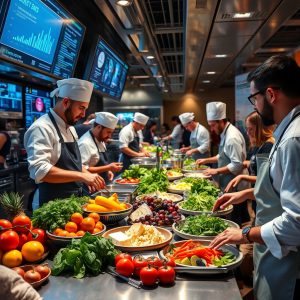
Interactive food stations are another innovative way to elevate event dining. These stations allow guests to customize their dining experience, creating a more personalized and engaging interaction with the food. Whether it’s a sushi bar, a build-your-own pizza station, or a charcuterie board with an array of cheeses, meats, and accompaniments, interactive stations encourage guests to explore and enjoy a variety of flavors.
Personalized Event Dining
Personalized event dining is a key benefit of interactive food stations. Guests can choose the ingredients they want, the level of spice, or even the type of bread they prefer, creating a dining experience that is uniquely their own. This level of personalization not only enhances the dining experience but also makes the event more memorable for the guests.
Client Co-Created Menus
Client co-created menus take personalized event dining to the next level. In this approach, the catering team works closely with the client to create a menu that reflects their preferences and the event’s theme. This collaborative process ensures that the menu is not only delicious but also tailored to the client’s vision, creating a truly unique and memorable dining experience.
Sustainable Catering Practices
In the quest for memorable dining experiences, it’s essential to consider the environmental impact of event catering. Sustainable catering practices are becoming increasingly important, with many caterers adopting strategies to reduce waste, minimize their carbon footprint, and source ingredients ethically.
Farm to Table Sourcing
Farm to table sourcing is a key component of sustainable catering. It involves sourcing ingredients from local farms and suppliers, reducing the carbon footprint associated with long-distance transportation. This approach not only supports local businesses but also ensures that the ingredients are fresh and of the highest quality.
Ethical Sourcing Strategy
Ethical sourcing is another crucial aspect of sustainable catering. It involves sourcing ingredients from suppliers who adhere to ethical and sustainable practices, such as fair trade, organic farming, and humane treatment of animals. This approach not only ensures that the ingredients are of the highest quality but also supports ethical and sustainable practices in the food industry.
In conclusion, the art of thematic culinary design and interactive food stations is transforming event dining, creating experiences that are as memorable as they are delicious. By immersing guests in the event’s theme, offering personalized dining experiences, and adopting sustainable catering practices, caterers can create events that are not only visually stunning but also environmentally responsible and deeply engaging. As the catering industry continues to evolve, these innovative approaches will undoubtedly play a pivotal role in shaping the future of event dining.