The Evolution of Catering Services: From Traditional to On-Demand
In the dynamic landscape of the food service industry, catering services have undergone a significant transformation, evolving from traditional event catering to innovative on-demand solutions. This shift has been driven by changing consumer behaviors, technological advancements, and the need for convenience and efficiency.
Traditional Catering Services
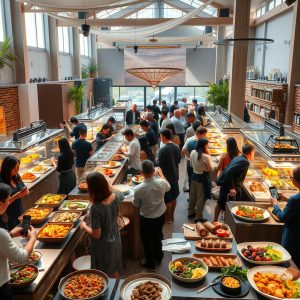
Traditional catering services, which include event catering and corporate catering, have long been the backbone of the industry. These services typically involve planning, preparing, and serving food at events such as weddings, conferences, and corporate meetings. The focus is on providing a comprehensive dining experience, often with a high level of personalization and attention to detail.
Event Catering
Event catering is perhaps the most well-known form of traditional catering. It involves catering to large groups of people at events, requiring meticulous planning and coordination. Event caterers must manage logistics, such as food preparation, delivery, and setup, ensuring that everything runs smoothly on the day of the event.
Corporate Catering
Corporate catering, on the other hand, caters to businesses and organizations. This can range from providing meals for staff meetings to full-scale catering for corporate events. Corporate caterers often need to accommodate specific dietary requirements and preferences, making flexibility and customization key components of their service.
The Rise of Online Catering Orders
With the advent of the internet and mobile technology, the catering industry has seen a surge in online catering orders. This trend has been accelerated by the COVID-19 pandemic, which has led to an increased demand for contactless and convenient food delivery services.
Online Catering Order Platforms
Online catering order platforms allow customers to browse menus, place orders, and make payments from the comfort of their homes or offices. These platforms have made it easier for caterers to reach a wider audience and for customers to access a variety of food options. The convenience of online ordering has become a significant factor in the growth of the catering industry.
Catering Delivery Services
Catering delivery services have also evolved to meet the demands of modern consumers. Pickup and delivery services, as well as drop-off catering, have become increasingly popular. These services offer flexibility, allowing customers to choose whether they want their food delivered or picked up. This has been particularly beneficial for businesses and individuals looking for convenient meal solutions.
The Emergence of Cloud Kitchens
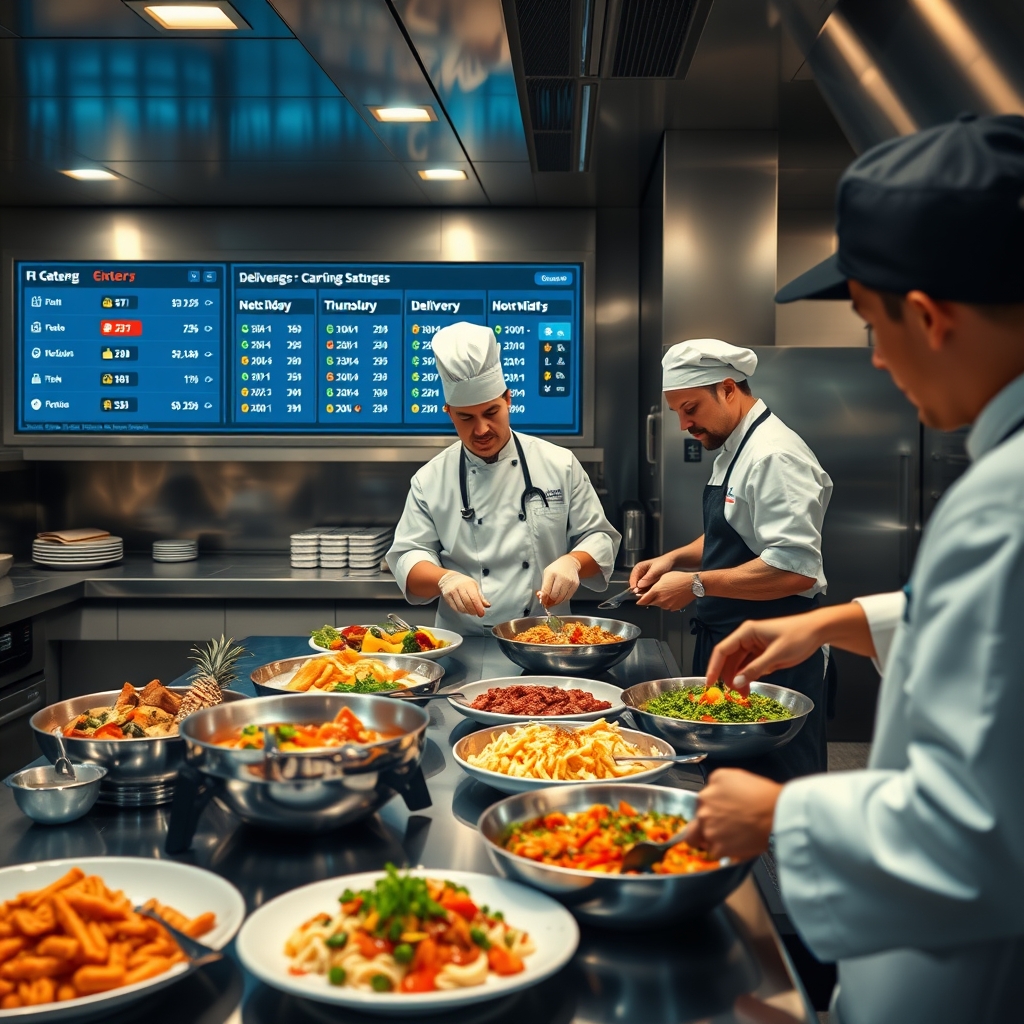
Cloud kitchens, also known as ghost kitchens, have emerged as a disruptive force in the catering industry. These are commercial kitchens that prepare food exclusively for delivery, without a physical dining space. Cloud kitchens have lower overhead costs and can focus on optimizing their delivery operations, making them a cost-effective solution for caterers.
Meal Delivery Services
Meal delivery services, which are often associated with cloud kitchens, offer pre-prepared meals that are delivered directly to customers’ homes or offices. These services cater to busy individuals and families who prefer the convenience of having meals delivered to their doorstep. The rise of meal delivery services has been driven by the increasing demand for convenience and the growing trend of home catering.
Express Delivery Services
Express delivery services have also gained traction, offering quick and efficient delivery of catered meals. These services are particularly popular for last-minute orders and urgent catering needs. The ability to provide fast delivery has become a competitive advantage for caterers, as customers increasingly prioritize speed and convenience.
In conclusion, the catering industry has undergone a remarkable transformation, adapting to the changing needs and preferences of consumers. From traditional event and corporate catering to innovative on-demand solutions, the industry has embraced technology and convenience to stay relevant and competitive. As the demand for flexible and efficient food services continues to grow, caterers must continue to innovate and adapt to meet the evolving needs of their customers. The future of catering lies in the ability to provide seamless, convenient, and high-quality food experiences, whether through traditional methods or cutting-edge technologies.