The Micro-Logistics Mandate: Optimizing Pickup and Delivery for Modern Food Service Businesses
The Shifting Landscape of Food Service Logistics
The contemporary food service industry is undergoing a profound transformation, driven by evolving consumer expectations and the relentless march of technological innovation. At the heart of this evolution lies the critical domain of logistics, particularly concerning pickup and delivery services. For businesses operating within sectors such as catering, cloud kitchens, and even traditional retail food shops, the ability to efficiently manage the movement of food from preparation to the customer’s hands is no longer a mere operational consideration; it is a strategic imperative. The demand for on-demand services, coupled with an increasing reliance on online ordering platforms, necessitates a granular, almost microscopic, approach to logistics. This is the era of micro-logistics, where precision, speed, and reliability dictate customer satisfaction and, by extension, business viability.
Deconstructing the Pickup and Delivery Ecosystem
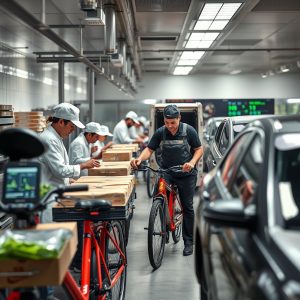
The traditional model of food service, centered around dine-in experiences or large-scale event catering, is being augmented and, in some cases, supplanted by models that prioritize off-premise consumption. This shift places immense pressure on the pickup and delivery infrastructure. For a food catering business, this means re-evaluating everything from order processing to packaging, route optimization, and driver management. The rise of the cloud kitchen business model, devoid of a physical storefront, makes these logistical elements even more pronounced. Similarly, local shop delivery services and even retail shops offering food pickup services must now contend with the complexities of ensuring food quality and timely delivery over potentially diverse geographical areas.
The Pillars of Efficient Pickup and Delivery
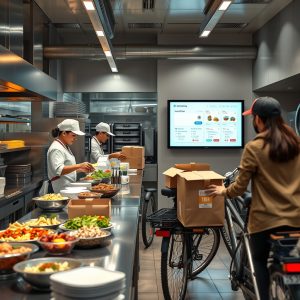
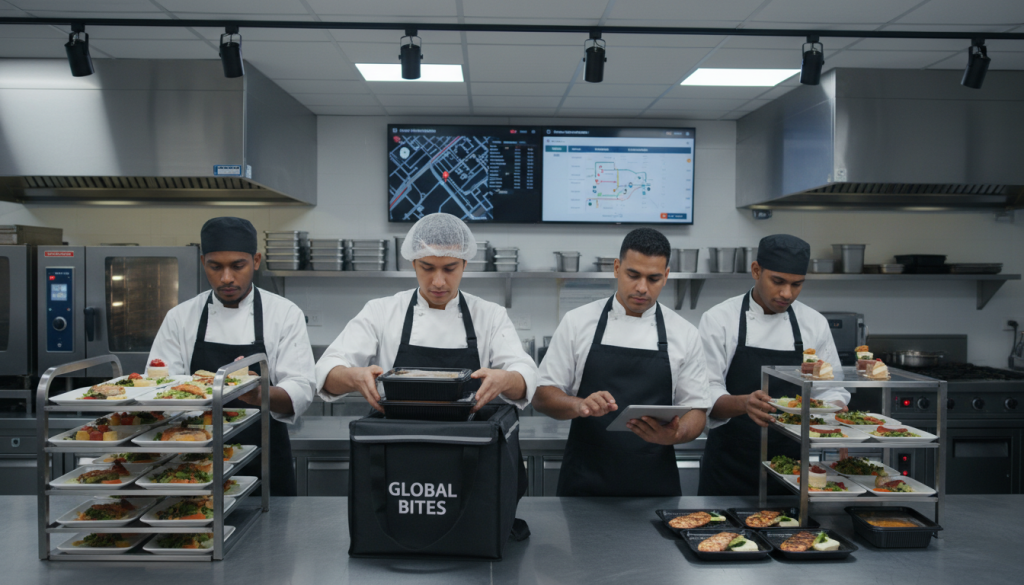
Several key components underpin a successful pickup and delivery operation. Firstly, technology integration is paramount. Online catering order systems must be seamless, user-friendly, and capable of integrating with inventory management and dispatch software. This allows for real-time updates, accurate order tracking for customers, and efficient assignment of tasks for delivery personnel. Secondly, packaging is not merely about containment; it is about preservation. Food must arrive at its destination at the optimal temperature and in pristine condition, preserving both its visual appeal and its intended flavor profile. This requires investment in specialized containers and insulation. Thirdly, the human element, encompassing customer service excellence, cannot be overstated. Every interaction, from the initial order placement to the final delivery, reflects on the brand. Polite, professional, and efficient interactions foster loyalty.
Optimizing for Speed and Reliability
The concept of express delivery service is no longer confined to e-commerce giants. In the food service industry, customers expect swift fulfillment, particularly for meal delivery services. This demands robust route planning and optimization, leveraging real-time traffic data and driver availability. For drop-off catering and home catering services, predictability is as crucial as speed. Clients need to know precisely when their meals will arrive to coordinate their events or personal dining experiences. This requires a sophisticated understanding of delivery zones, order volumes, and potential logistical bottlenecks. A well-managed logistics service business can differentiate itself by consistently meeting and exceeding these expectations.
The Cloud Kitchen Advantage: A Logistical Powerhouse
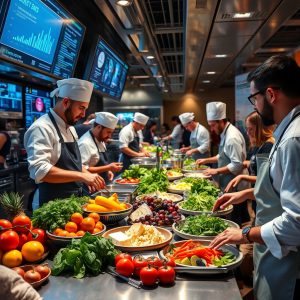
Cloud kitchens, by their very nature, are built around a delivery-centric model. Their operational efficiency is intrinsically linked to their ability to manage a high volume of orders with minimal physical footprint. This often translates into highly optimized kitchen workflows and a laser focus on delivery logistics. These businesses can serve as a blueprint for other food service businesses looking to enhance their own pickup and delivery capabilities. The lessons learned from the agile, technology-driven operations of cloud kitchens regarding order aggregation, dispatch, and fleet management are invaluable for any small business services provider aiming to compete in the modern market.
Customer Service Excellence: The Ultimate Differentiator
In a market saturated with options, customer service excellence emerges as the ultimate differentiator. While efficient pickup and delivery are foundational, it is the consistent delivery of a positive customer experience that builds lasting relationships. This includes proactive communication regarding any potential delays, flexible solutions to unforeseen issues, and a genuine commitment to customer satisfaction. For businesses offering on-demand services, the ability to handle customer inquiries and resolve issues swiftly and effectively can turn a potentially negative experience into a demonstration of superior service. This ethos of customer-centricity must permeate every level of the organization, from kitchen staff to delivery drivers.
Ultimately, the success of any modern food service business, whether it be a large-scale catering operation, a specialized cloud kitchen, or a local shop providing meal delivery, hinges on its mastery of micro-logistics. The ability to orchestrate the seamless, timely, and quality-assured movement of food from preparation to consumption is the defining characteristic of a resilient and thriving enterprise in today’s competitive landscape. The investment in technology, optimized processes, and dedicated customer service is not merely an expense; it is the bedrock upon which future growth and customer loyalty are built.