The Digital Palate: Navigating the Nuances of Online Catering Orders and Delivery
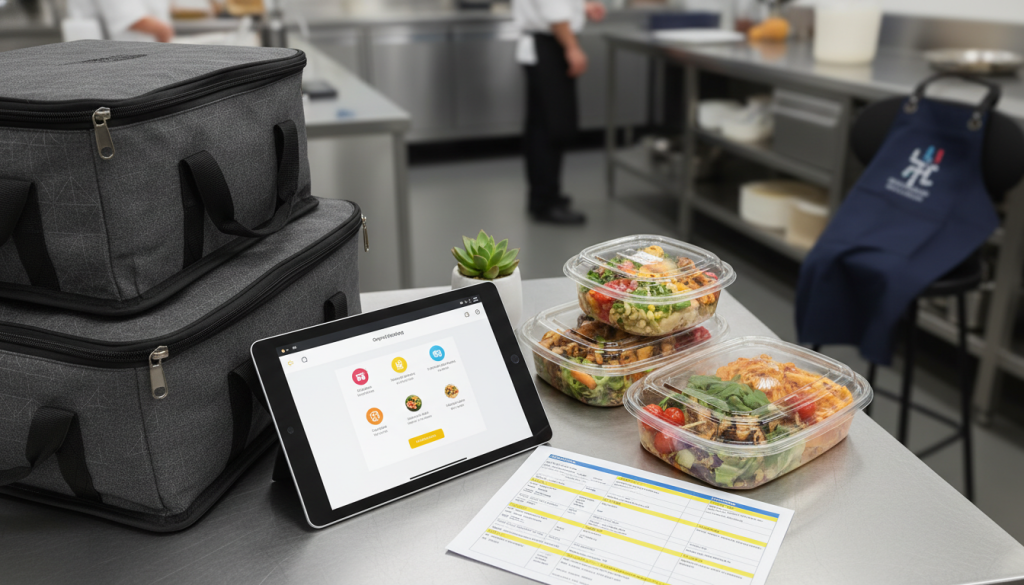
The modern food service landscape is undergoing a profound transformation, driven by the pervasive influence of digital platforms and evolving consumer expectations. At the forefront of this shift is the rise of online catering orders and sophisticated delivery services. For businesses operating within the food service sector, understanding and optimizing these channels is no longer a competitive advantage, but a fundamental necessity for survival and growth. This analysis will dissect the critical components of a successful online catering operation, from the user interface of an online ordering system to the intricate logistics of pickup and delivery.
The Digital Front Door: Online Ordering Systems
The initial point of contact for many customers seeking catering services is now an online platform. Whether it’s a dedicated website, a third-party aggregator, or a cloud kitchen’s proprietary app, the user experience must be intuitive, efficient, and informative. High-quality imagery of menu items, clear pricing, detailed descriptions, and readily accessible allergen information are paramount. The ordering process itself should be streamlined, minimizing clicks and form fields. Features such as customizable order options, the ability to specify dietary restrictions, and clear communication regarding delivery windows or pickup times are crucial for preventing customer frustration and potential order errors. A well-designed online ordering system acts as a virtual storefront, and its effectiveness directly correlates with conversion rates.
From Kitchen to Customer: The Logistics of Delivery and Pickup
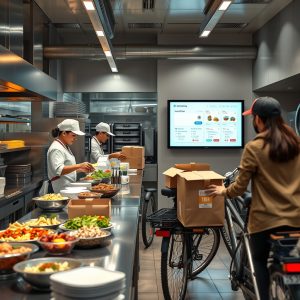
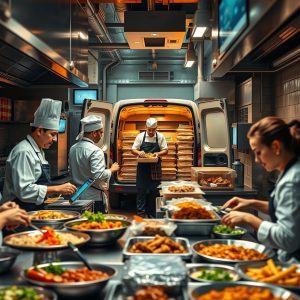
Once an order is placed, the execution of its fulfillment becomes the primary challenge. This involves a complex interplay of kitchen operations, packaging, and delivery logistics. For businesses offering pickup and delivery service, the efficiency of the food pickup service is as vital as the quality of the food itself. This necessitates optimized kitchen workflows to ensure orders are prepared accurately and on time, ready for dispatch or collection. Packaging must be robust enough to maintain food temperature and integrity during transit, preventing spills and presentation degradation. The choice between in-house delivery fleets, third-party logistics providers, or a hybrid model depends on scale, cost-effectiveness, and the desired level of control over the customer experience. Express delivery service capabilities are increasingly in demand, requiring agile operational models and responsive dispatch systems.
The Rise of Drop-Off Catering and Meal Delivery
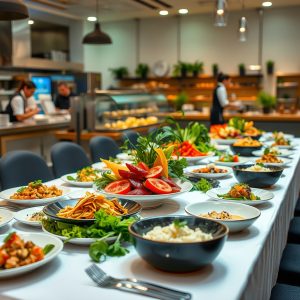
The pandemic significantly accelerated the adoption of drop-off catering and meal delivery models, which prioritize convenience and contactless service. Unlike full-service catering, drop-off catering focuses on delivering prepared food directly to the event or office location, with minimal on-site setup required. This model is particularly suited for corporate catering where efficiency is key. Meal delivery services, often operating from cloud kitchen businesses, cater to a broader range of needs, from individual meals to family portions, emphasizing convenience for home consumers. The success of these services hinges on reliable, temperature-controlled delivery and packaging that ensures food arrives ready to be served or consumed with minimal fuss. This shift has democratized access to quality catering, making it more accessible for smaller events and individual needs.
Customer Service Excellence in a Digital Age
While technology underpins the online catering experience, customer service excellence remains the bedrock of any successful food service business. This extends beyond the initial order placement and delivery. Responsive communication channels for inquiries, prompt resolution of any issues that arise (e.g., late deliveries, incorrect orders, food quality concerns), and a proactive approach to customer feedback are essential. For small businesses, building a reputation for reliability and exceptional customer care can be a significant differentiator. This includes training staff to handle online inquiries with the same professionalism and attentiveness as in-person interactions. Positive reviews and word-of-mouth referrals, amplified by online platforms, are invaluable assets.
The Cloud Kitchen Advantage and Retail Integration
The emergence of cloud kitchen businesses has provided a flexible and cost-effective model for food service operators looking to expand their reach without the overhead of traditional brick-and-mortar retail shop services. These kitchens are optimized for delivery and pickup, allowing businesses to focus on culinary execution and efficient order fulfillment. For businesses with existing physical locations, integrating online ordering and delivery services can unlock new revenue streams and broaden their customer base. This might involve adapting a portion of their existing kitchen for delivery-focused operations or partnering with cloud kitchen providers. The ability to offer both in-store pickup and delivery options caters to diverse customer preferences, enhancing overall accessibility and convenience.
Integrating Logistics and On-Demand Capabilities
The underlying success of modern catering and meal delivery services is rooted in sophisticated logistics and on-demand capabilities. This involves leveraging technology for route optimization, real-time order tracking, and efficient dispatch management. For businesses that can master these operational intricacies, the potential for scalability and customer satisfaction is immense. The ability to offer on-demand services, responding quickly to customer needs, is becoming increasingly expected. This requires a robust infrastructure, from well-trained kitchen staff to a reliable delivery network. The synergy between a streamlined online ordering platform, efficient kitchen operations, and a responsive logistics service forms the backbone of a competitive catering and meal delivery business in today’s dynamic market.
Ultimately, the fusion of technology and culinary expertise is redefining the catering industry. Businesses that embrace digital ordering, refine their pickup and delivery logistics, and prioritize customer service excellence are best positioned to thrive. The digital palate is here to stay, and adapting to its demands is crucial for navigating the future of food service.