The On-Demand Catering Revolution: How Logistics and Customer Expectations Are Reshaping the Food Service Industry
The food service industry is undergoing a seismic shift, driven by the relentless rise of on-demand services and the evolving expectations of modern consumers. No longer satisfied with the traditional model of dine-in or even standard takeout, customers now demand convenience, speed, and quality—all delivered with the precision of a logistics operation. This transformation is particularly evident in the catering sector, where the lines between food preparation, delivery, and customer service are blurring into a single, seamless experience. The question is no longer whether businesses can adapt, but how quickly they can do so without sacrificing the core elements that define great food and service.
The Rise of the On-Demand Catering Ecosystem
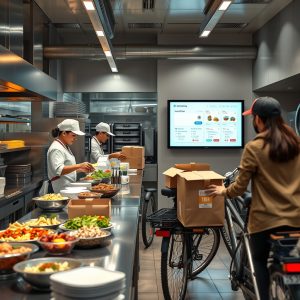
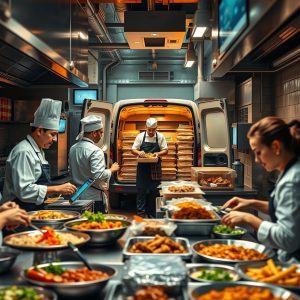
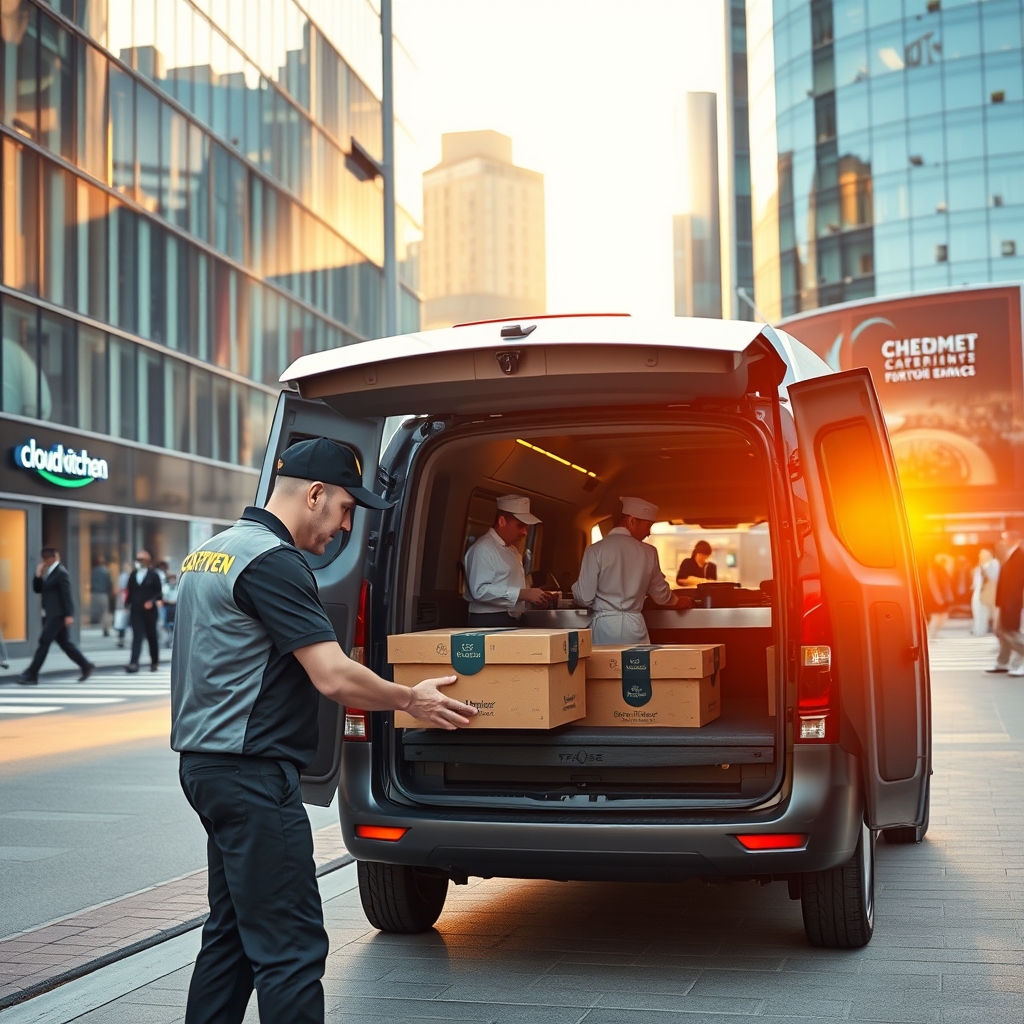
At the heart of this revolution is the on-demand catering ecosystem, a complex network of cloud kitchens, express delivery services, and digital ordering platforms that have redefined what it means to serve food. Cloud kitchens, in particular, have emerged as the backbone of this new model, allowing businesses to operate without the overhead of a traditional restaurant while still delivering high-quality meals. These kitchens are not just about cost efficiency; they represent a fundamental rethinking of how food is produced and distributed. By leveraging data analytics and real-time logistics, cloud kitchens can predict demand, optimize routes, and ensure that meals arrive fresh and on time—every time.
But the success of this model hinges on more than just technology. It requires a deep understanding of customer behavior, particularly the growing preference for pickup and delivery services over dine-in experiences. The modern consumer values time above all else, and businesses that fail to recognize this shift risk being left behind. This is where the role of logistics becomes paramount. A well-oiled delivery system is no longer a luxury; it is a necessity, one that can make or break a catering business in today’s competitive landscape.
The Logistics Challenge: Balancing Speed and Quality
Logistics in the catering industry is a high-stakes game where the margin for error is razor-thin. The challenge lies in delivering meals that are not only timely but also maintain their quality during transit. This is where the concept of “drop-off catering” has gained traction. Unlike traditional delivery, where food is transported in bulk and often loses its appeal by the time it reaches the customer, drop-off catering focuses on precision. Meals are packaged individually, often in eco-friendly containers, and delivered in a way that preserves their temperature, texture, and presentation.
However, achieving this level of precision is easier said than done. It requires a robust logistics infrastructure, one that can handle the complexities of last-mile delivery while ensuring that every meal meets the same standards as if it were served in-house. This is where technology plays a crucial role. Advanced routing algorithms, real-time tracking, and AI-driven demand forecasting are just a few of the tools that businesses are using to streamline their operations. But technology alone is not enough. It must be paired with a customer-centric approach, one that prioritizes transparency, communication, and flexibility.
The Customer Service Imperative
In an industry where the product is as much about the experience as it is about the food, customer service excellence is non-negotiable. The modern catering business must go beyond simply delivering meals; it must anticipate and exceed customer expectations at every touchpoint. This starts with the ordering process, where digital platforms must be intuitive, responsive, and capable of handling complex requests. It extends to delivery, where drivers must be trained not just in logistics but in customer interaction, ensuring that every drop-off is as polished as the meal itself.
But perhaps the most critical aspect of customer service in this new era is adaptability. The on-demand model thrives on flexibility, and businesses must be prepared to pivot at a moment’s notice. Whether it’s accommodating last-minute changes to an order, handling dietary restrictions with precision, or resolving issues in real-time, the ability to adapt is what separates the leaders from the laggards. This is where the concept of “micro-logistics” comes into play—a hyper-localized approach to delivery that allows businesses to respond quickly to customer needs while maintaining the highest standards of quality.
The Future of Catering: A Blend of Innovation and Tradition
The future of the catering industry lies in its ability to blend innovation with tradition. While technology and logistics are driving the on-demand revolution, the core principles of great food and exceptional service remain unchanged. The businesses that will thrive in this new landscape are those that can harness the power of data and automation without losing sight of the human element that defines hospitality. This means investing in training, fostering a culture of customer-centricity, and continuously refining operations to meet the ever-changing demands of the market.
The shift toward on-demand catering is not just a trend; it is a fundamental reimagining of how food is served and experienced. For businesses, this presents both a challenge and an opportunity. Those that embrace the change, invest in the right tools, and prioritize customer service will not only survive but thrive in this new era. The question is no longer whether the industry will evolve, but who will lead the charge—and who will be left behind in the race to redefine convenience, quality, and service in the modern age.