The Customer-Centric Kitchen: How Catering Services Are Redefining Convenience Through Precision and Personalization
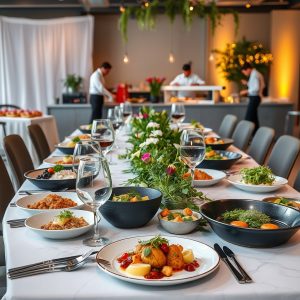
The modern catering industry is no longer defined by silver chafing dishes and white-gloved servers alone. Today, success hinges on an invisible yet intricate dance between culinary artistry and operational precision—one where the customer’s voice dictates every move. The rise of on-demand services, cloud kitchens, and hyper-local delivery has not just expanded the market; it has fundamentally altered the expectations of clients, from corporate executives to private event hosts. The question is no longer whether catering can adapt, but how swiftly it can do so without sacrificing the quality that once defined its exclusivity.
The Paradox of Choice and Control
Online catering orders and pickup-and-delivery services have democratized access to high-quality food, but they have also introduced a paradox: more options do not always translate to better experiences. A corporate client scrolling through a digital menu at midnight expects the same level of customization as a bride finalizing her wedding reception details. Yet, the logistics of fulfilling these demands—without inflating costs or compromising freshness—require a level of backend sophistication that most traditional caterers were never designed to handle. The solution lies not in scaling up, but in scaling smartly: leveraging data to predict demand, optimizing delivery routes in real time, and ensuring that every meal arrives as if it were plated moments before.
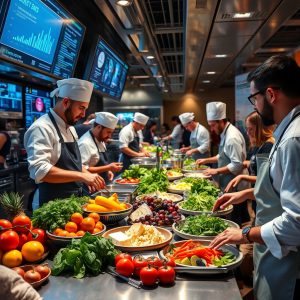
Cloud kitchens have emerged as the unsung heroes of this transformation. By stripping away the overhead of physical dining spaces, these virtual operations can focus entirely on efficiency and output. But their success is not guaranteed by technology alone. The most effective cloud kitchens operate as hybrid entities—part culinary lab, part logistics hub—where chefs collaborate with data analysts to refine menus based on regional preferences, dietary trends, and even weather patterns. A sudden heatwave? Expect a spike in orders for chilled gazpacho and citrus-infused salads. A corporate merger announcement? The system flags an uptick in requests for high-end boxed lunches. This is catering as a responsive ecosystem, not a static service.
The Last Mile as a Brand Ambassador
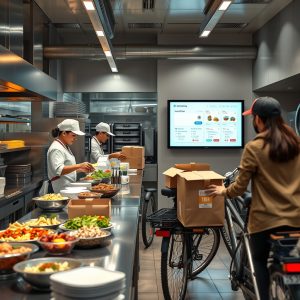
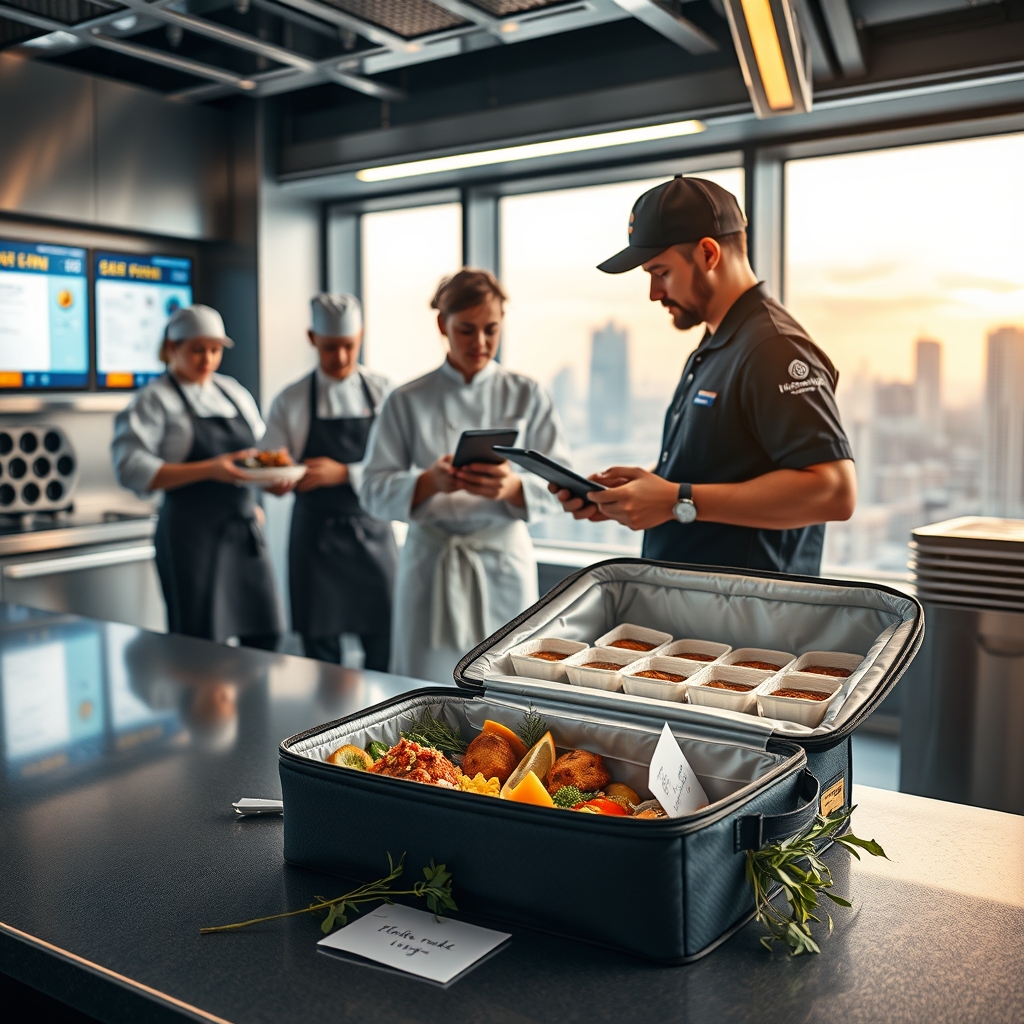
For all the focus on kitchen innovation, the true battleground of modern catering lies in the last mile. A flawless meal can be undone by a delayed delivery, a careless driver, or a poorly insulated transport container. Conversely, a seamless drop-off—complete with branded packaging, a handwritten note, or a QR code linking to reheating instructions—can elevate a simple meal into a memorable experience. This is where the distinction between a catering service and a *customer service* business becomes clear. The former delivers food; the latter delivers trust.
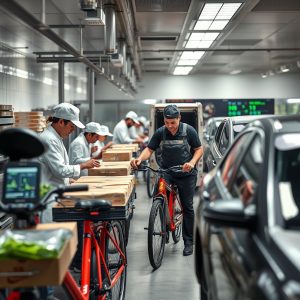
Express delivery services have raised the stakes further. Clients now expect the same speed and reliability from a catering order as they do from a ride-hailing app. Yet, unlike a car, food is perishable, fragile, and often customized. The challenge is to make urgency feel effortless. Some caterers have turned to micro-fulfillment centers—small, strategically located hubs that pre-stage orders for rapid dispatch. Others partner with third-party logistics providers, though this introduces risks of brand dilution. The most successful operators strike a balance: maintaining control over the final touchpoints while outsourcing the mechanics of movement. The goal is to make the delivery invisible—so seamless that the client’s only thought is, *How did they do that?*
The Human Element in a Digital World
Technology may power the modern catering machine, but it is the human touch that sustains it. Customer service excellence in this context is not about scripted interactions or automated follow-ups; it is about anticipating needs before they are voiced. A wedding planner stressed about dietary restrictions? The caterer proactively sends a revised menu with allergen labels. A corporate client hosting an impromptu board meeting? The system flags the nearest available pickup location with a 30-minute turnaround. These are not luxuries; they are the new baseline.
The shift toward home catering and small-business services has further blurred the lines between personal and professional. A family ordering a holiday meal delivery expects the same attention to detail as a Fortune 500 company hosting a shareholder event. This democratization of service has forced caterers to rethink their value proposition. It is no longer enough to offer great food; the entire experience—from the first click on a website to the final bite—must feel bespoke. This requires a deep understanding of the client’s context: the time constraints of a working parent, the cultural nuances of a multi-generational gathering, or the unspoken expectations of a high-stakes business lunch.
The Logistics of Empathy
Empathy, in this sense, is not a soft skill but a logistical imperative. The most effective catering services are those that treat every order as a unique puzzle, where the pieces are not just ingredients and timelines, but emotions and expectations. A pickup-and-delivery service that allows clients to track their order in real time is not just providing transparency; it is offering reassurance. A meal delivery service that includes a handwritten note from the chef is not just adding flair; it is creating a connection. These details matter because they transform a transaction into a relationship.
The future of catering will belong to those who recognize that convenience is not the absence of effort, but the illusion of effortlessness. It is the art of making the complex appear simple, the rushed feel relaxed, and the impersonal feel intimate. Whether through a cloud kitchen’s algorithm or a local shop’s hand-delivered spread, the goal remains the same: to make the client feel seen, understood, and—above all—well-fed. The tools may change, but the hunger for connection, in every sense of the word, never will.