Crafting Culinary Journeys: The Art of Tailored Culinary Experiences
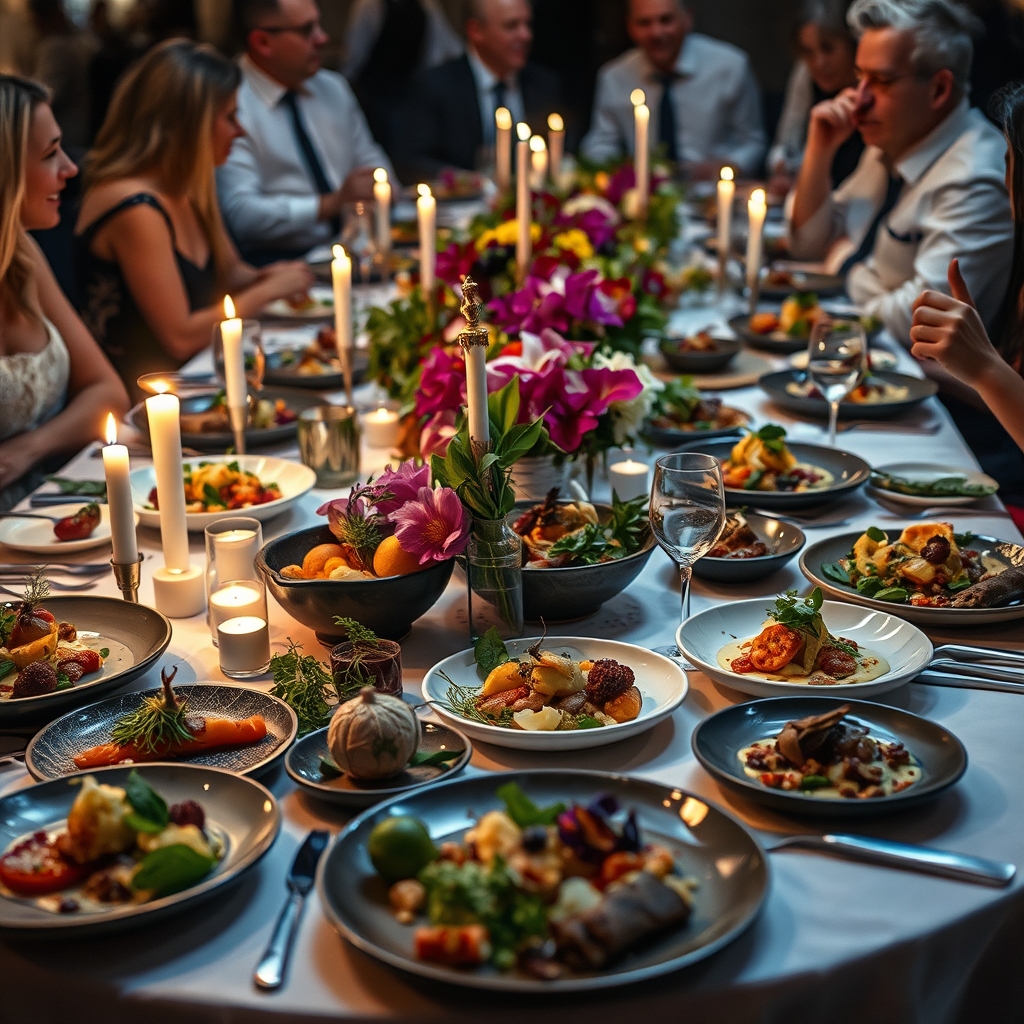
In the realm of event catering, the ability to craft tailored culinary experiences is not just a service, but an art form. It’s about understanding the unique needs and desires of each client, and translating them into a dining experience that is as unique as the event itself. This approach goes beyond the traditional one-size-fits-all catering, and instead, focuses on creating a personalized journey that delves into the senses, emotions, and memories of the guests.
The Power of Personalization
Personalization is the cornerstone of tailored culinary experiences. It’s about going beyond the obvious, and delving into the nuances that make an event truly special. This could be anything from the choice of ingredients, to the presentation of the food, to the overall ambiance and service. It’s about creating a dining experience that resonates with the client’s vision and values.
Immersive Menu Designing
Immersive menu designing is a key aspect of personalization. It’s about creating a menu that doesn’t just list the dishes, but tells a story. It’s about the journey of the food, from the farm to the plate, and the emotions it evokes. This could be achieved through the use of thematic elements, interactive food stations, and sensory-driven plating.
Interactive Food Stations
Interactive food stations are a great way to engage the guests and make the dining experience more memorable. These stations could be anything from a sushi bar, to a build-your-own-pizza station, to a charcuterie board with a variety of cheeses, meats, and accompaniments. The key is to create a station that encourages interaction, and allows the guests to customize their dining experience.
Sustainable Catering Practices
In an era where sustainability is a key concern, sustainable catering practices are not just a trend, but a necessity. It’s about using locally sourced, organic, and ethically produced ingredients, and minimizing waste. This approach not only benefits the environment, but also the health of the guests, and the overall reputation of the catering service.
Farm to Table Sourcing
Farm to table sourcing is a key aspect of sustainable catering. It’s about working closely with local farmers and producers, to ensure the freshness and quality of the ingredients. This approach not only supports the local economy, but also reduces the carbon footprint of the catering service. It’s about creating a dining experience that is as sustainable as it is delicious.
Ethical Sourcing Strategy
An ethical sourcing strategy is another key aspect of sustainable catering. It’s about ensuring that the ingredients are sourced in a way that respects the rights of the workers, the environment, and the animals. This approach not only benefits the guests, but also the overall reputation of the catering service. It’s about creating a dining experience that is as ethical as it is delicious.
Sensory Food Presentation
Sensory food presentation is about creating a dining experience that delves into the senses. It’s about the look, smell, taste, and even the sound of the food. This approach not only makes the dining experience more memorable, but also enhances the overall enjoyment of the meal.
Modern Food Staging
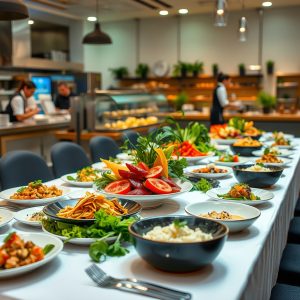
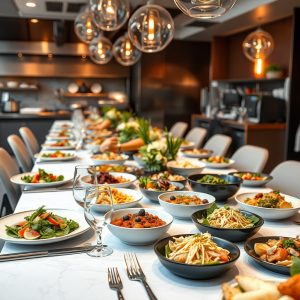
Modern food staging is a key aspect of sensory food presentation. It’s about using creative and innovative techniques to present the food. This could be anything from the use of edible flowers, to the creation of intricate food sculptures, to the use of contrasting colors and textures. The key is to create a dining experience that is as visually appealing as it is delicious.
Bespoke Beverage Pairing
Bespoke beverage pairing is another key aspect of sensory food presentation. It’s about creating a drink that complements the flavors of the food, and enhances the overall dining experience. This could be anything from a custom cocktail, to a unique wine pairing, to a creative beer selection. The key is to create a drink that is as unique as the meal, and as enjoyable as the event.
In conclusion, crafting tailored culinary experiences is about understanding the unique needs and desires of each client, and translating them into a dining experience that is as unique as the event itself. It’s about the power of personalization, the importance of sustainable catering practices, and the art of sensory food presentation. It’s about creating a dining experience that is not just a meal, but a journey that delves into the senses, emotions, and memories of the guests. It’s about crafting culinary journeys that are as unforgettable as the events they accompany.