The Psychology of Plating: How Sensory Food Presentation and Thematic Culinary Design Create Emotional Connections
Food is far more than sustenance—it is an experience that engages all the senses, evokes emotions, and creates lasting memories. In the world of event catering, the way a dish is presented can transform a meal into a narrative, turning a simple gathering into an immersive journey. The psychology of plating goes beyond aesthetics; it taps into the subconscious, influencing how guests perceive flavor, quality, and even the overall success of an event. When combined with thematic culinary design, sensory food presentation becomes a powerful tool for crafting emotional connections that linger long after the last bite.
The Science Behind Sensory Food Presentation
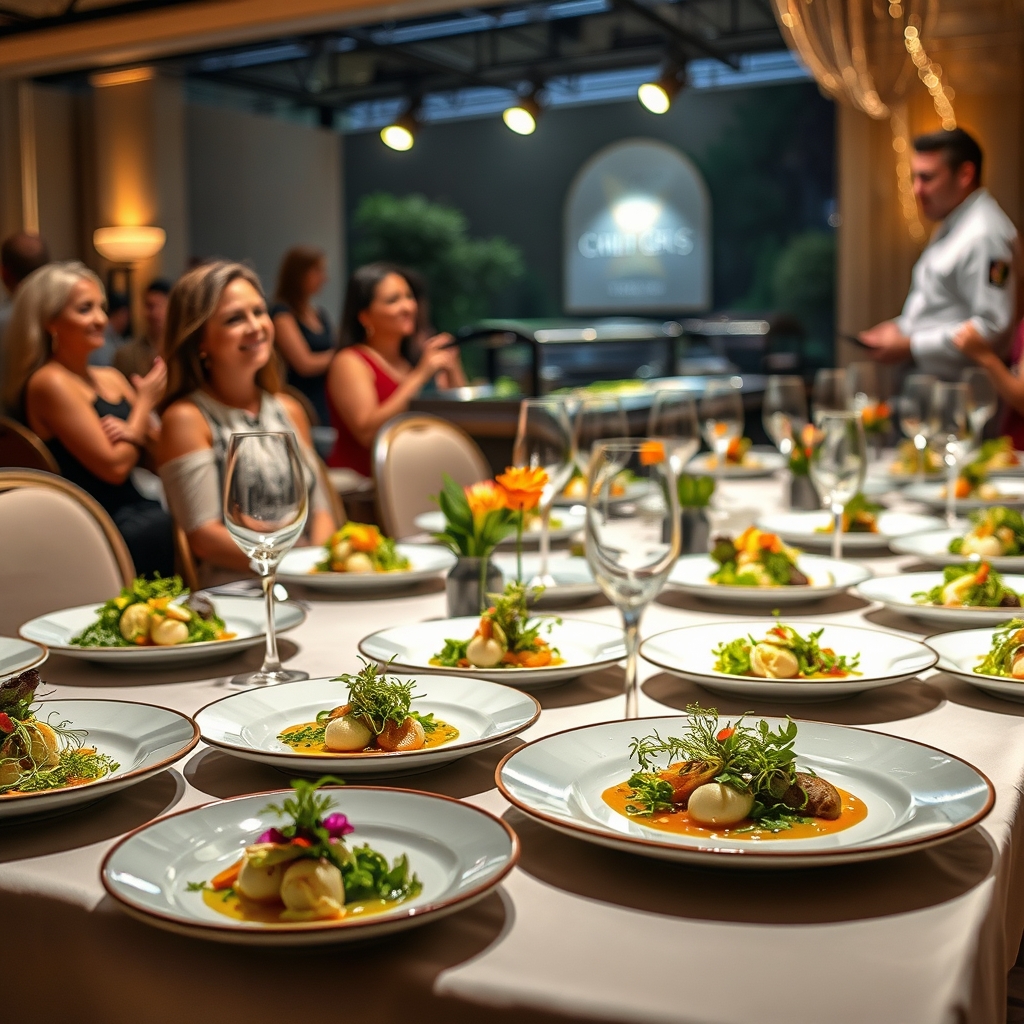
Every detail on a plate—from color contrast to portion size—plays a role in shaping a diner’s experience. Research in food psychology reveals that visual appeal can significantly alter taste perception. For instance, a study published in the journal Flavour found that diners rated the same dish as more flavorful and enjoyable when it was artfully plated compared to when it was presented haphazardly. This phenomenon, known as the “plating effect,” demonstrates how the brain associates visual harmony with higher quality.
Texture and arrangement also matter. A dish with varied textures—crispy, creamy, tender—engages the senses more deeply, making the eating experience more dynamic. Meanwhile, negative space on a plate can create a sense of elegance and intentionality, guiding the diner’s eye and enhancing their anticipation. Chefs and caterers who master these principles don’t just serve food; they curate an experience that feels thoughtful and deliberate.
Thematic Culinary Design: Crafting a Cohesive Narrative
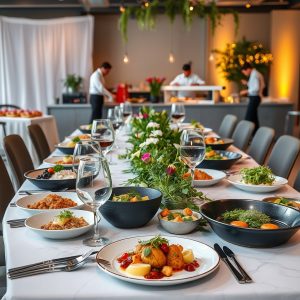
While sensory food presentation focuses on the individual dish, thematic culinary design weaves a story across an entire menu. Whether it’s a rustic farm-to-table wedding, a futuristic corporate gala, or a whimsical garden party, the theme should be reflected in every element—from the ingredients to the serving vessels. A well-executed theme doesn’t just set the mood; it creates a sense of place, transporting guests to another time, culture, or even a fantastical world.
For example, a Mediterranean-inspired event might feature vibrant, herb-infused dishes served on terracotta platters, evoking the warmth of a seaside taverna. Meanwhile, a high-tech product launch could incorporate sleek, minimalist plating with edible flowers and geometric garnishes, reinforcing the brand’s modern identity. The key is consistency—every detail, from the first appetizer to the final dessert, should feel like part of a unified vision.
Interactive Elements: Engaging Guests Beyond the Plate
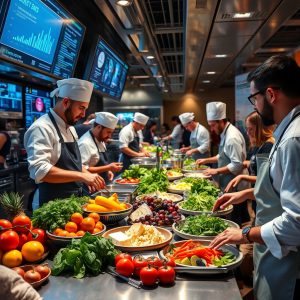
Modern event dining is no longer a passive experience. Interactive food stations and live cooking demonstrations invite guests to engage with their meals in new ways, deepening their connection to the food and the event itself. A build-your-own taco bar, a sushi-rolling station, or a dessert decorating table not only adds entertainment value but also allows for personalization, making each guest feel like an active participant in the culinary journey.
These interactive elements also provide opportunities for storytelling. A chef explaining the origin of a dish or the technique behind a signature sauce adds layers of meaning, turning a meal into an educational and cultural experience. When guests understand the effort and creativity behind their food, they’re more likely to appreciate it—and remember it.
Balancing Aesthetics with Practicality
While stunning presentation is essential, it must also be functional. Overly elaborate plating can lead to logistical challenges, especially in large-scale events where efficiency is key. The best caterers strike a balance between beauty and practicality, ensuring that dishes are not only visually striking but also easy to serve, eat, and enjoy without disruption.
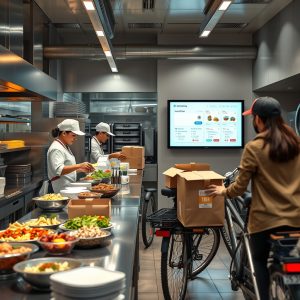
This is where data-driven catering logistics come into play. By analyzing guest flow, dietary restrictions, and timing, caterers can design menus and presentation styles that enhance the experience without causing bottlenecks. For instance, bite-sized hors d’oeuvres may be more practical for a cocktail hour, while family-style platters encourage conversation and sharing during a seated dinner. The goal is to create a seamless experience where the food enhances the event rather than detracts from it.
The Role of Technology in Modern Plating
Technology is revolutionizing the way caterers approach food presentation. From 3D food printing to augmented reality menu previews, innovative tools are allowing chefs to push the boundaries of creativity. For example, some caterers now use projection mapping to transform tables into dynamic canvases, where digital art interacts with the food to create a multisensory experience. Others leverage AI-driven design software to generate plating ideas based on color theory, ingredient pairings, and even cultural trends.
These advancements aren’t just about novelty—they’re about enhancing the emotional impact of a meal. When technology is used thoughtfully, it can elevate a dish from merely delicious to truly unforgettable. Imagine a dessert that changes color as it’s served, or a cocktail that releases aromatic mist when stirred. These small touches create moments of delight that guests will talk about for years.
At its core, the psychology of plating is about understanding that food is a form of communication. Every color, shape, and texture sends a message, and when those elements are thoughtfully combined with thematic design, they have the power to evoke emotion, spark conversation, and create memories. The most successful events aren’t just about feeding guests—they’re about crafting an experience that resonates on a deeper level. When caterers embrace this philosophy, they don’t just serve meals; they create moments that linger in the mind and heart, long after the plates have been cleared.