The Rise of the Cloud Kitchen: Revolutionizing Food Catering and Delivery
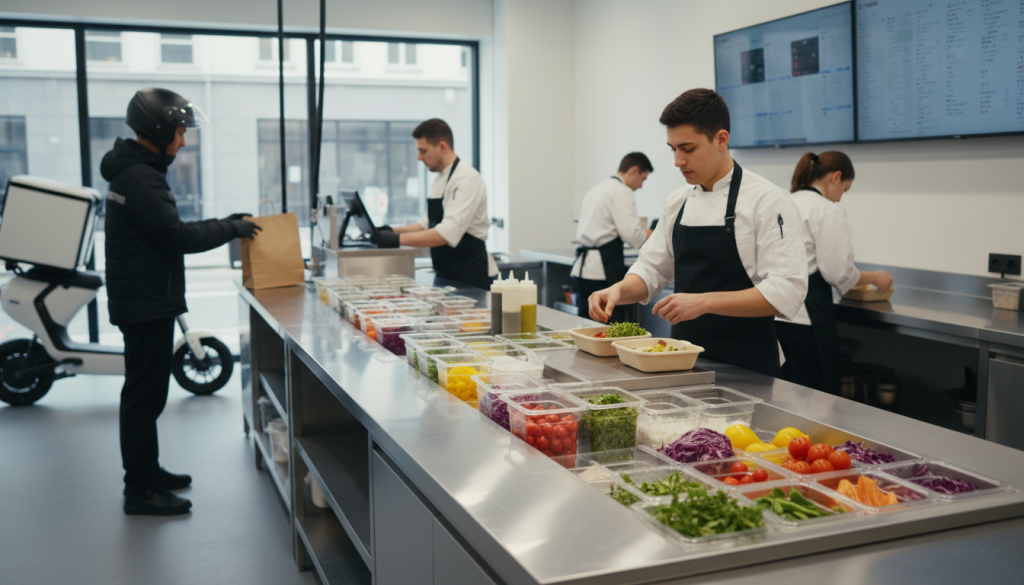
The culinary landscape is undergoing a seismic shift, driven by evolving consumer habits and technological advancements. At the forefront of this transformation is the cloud kitchen model, a concept that is rapidly redefining the food catering and delivery business. Unlike traditional restaurants with dine-in spaces, cloud kitchens operate solely for delivery and sometimes pickup, leveraging technology to streamline operations, reduce overheads, and reach a wider customer base. This innovative approach is not just a trend; it’s a fundamental reimagining of how food businesses can thrive in the digital age.
Understanding the Cloud Kitchen Ecosystem
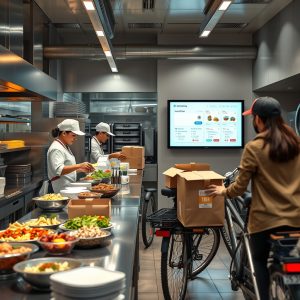
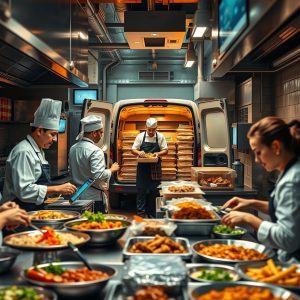
A cloud kitchen, also known as a ghost kitchen, virtual kitchen, or dark kitchen, is a professional food preparation and cooking facility set up exclusively for the preparation of delivery-only meals. These kitchens often house multiple virtual restaurant brands under one roof, allowing operators to cater to diverse tastes and dietary preferences without the need for extensive physical infrastructure. The core of a cloud kitchen’s success lies in its efficiency, its reliance on online ordering platforms, and its strategic location to optimize delivery times. This model significantly reduces the capital investment typically associated with opening a brick-and-mortar restaurant, making it an attractive proposition for entrepreneurs and established food service businesses looking to expand their reach.
The Advantages for Food Catering Businesses
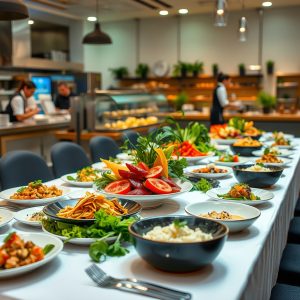
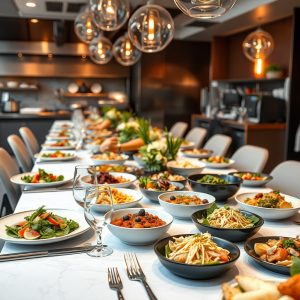
For food catering services and event catering companies, the cloud kitchen model presents a wealth of opportunities. It allows them to expand their service offerings beyond traditional event venues, enabling them to provide drop-off catering and meal delivery service for smaller gatherings, corporate meetings, or even individual households. By separating the preparation space from customer-facing areas, catering businesses can focus on optimizing their kitchen operations for volume and speed. This can lead to improved customer service excellence, as orders are processed more efficiently and delivered promptly. Furthermore, the flexibility of a cloud kitchen allows catering businesses to test new menu items and virtual brands without the risk associated with a full restaurant launch. This agility is crucial in a market that demands constant innovation and adaptation.
Streamlining Operations with Online Catering Orders
The integration of online catering order systems is fundamental to the success of cloud kitchens. These platforms allow customers to browse menus, customize orders, and schedule deliveries or pickups with ease. For the business, these systems provide valuable data on customer preferences, peak ordering times, and popular dishes, enabling them to refine their offerings and marketing strategies. This data-driven approach is a significant departure from traditional catering models, offering real-time insights that can inform business decisions. The convenience of online ordering, coupled with efficient logistics, transforms the customer experience, making it seamless and satisfying. This digital-first approach is essential for meeting the demands of today’s on-demand economy.
Enhancing Delivery and Pickup Services
The efficiency of a cloud kitchen is directly tied to its pickup and delivery service capabilities. By focusing solely on delivery, these operations can optimize their kitchen workflows and partner with reliable logistics service businesses or develop their own express delivery service. This specialization allows for faster preparation times and more accurate delivery estimates. For customers, this translates to a more reliable and timely meal delivery service, whether it’s a full-service drop-off catering spread for an office lunch or a quick meal for a busy household. The ability to offer both pickup and delivery options further broadens the appeal, catering to customers who may prefer to collect their orders directly. This dual approach ensures maximum convenience and accessibility, a key differentiator in the competitive food service business market.
The Small Business and Local Shop Advantage
Cloud kitchens are not just for large corporations; they offer significant advantages for small businesses and local shops. A local shop with a strong community presence can leverage a cloud kitchen to expand its food offerings without the need for a costly physical expansion. Imagine a local bakery or deli offering a range of freshly prepared meals for delivery, reaching customers beyond their immediate vicinity. This model democratizes access to the food delivery market, allowing smaller players to compete effectively. By focusing on a specific niche or cuisine, these small businesses can build a loyal customer base within the online space. The reduced overheads mean that more resources can be allocated to sourcing quality ingredients and ensuring customer service excellence, fostering a reputation for quality and reliability.
The Future of Food Service is Digital and Agile
The cloud kitchen revolution is more than just a technological shift; it represents a fundamental evolution in the food service business. It’s about agility, efficiency, and a customer-centric approach that prioritizes convenience and quality. As consumer expectations continue to rise, businesses that embrace this model will be best positioned for success. The ability to adapt quickly, experiment with new concepts, and deliver exceptional experiences directly to the customer’s doorstep is the new benchmark. This integrated approach, from online order to express delivery, is shaping the future of how we dine and how food businesses operate, offering a dynamic and accessible way to enjoy a wide variety of culinary delights.
The ongoing development of logistics and on-demand services further solidifies the cloud kitchen’s position as a dominant force. As technology continues to advance, we can expect even more sophisticated integration between kitchen operations, ordering platforms, and delivery networks. This creates a synergistic ecosystem where efficiency is paramount, and customer satisfaction is the ultimate goal. For any food service business, from a home catering service looking to scale up to a large catering company seeking to optimize its operations, understanding and potentially adopting the cloud kitchen model is no longer optional, but a strategic imperative for growth and resilience in the modern marketplace.