The Last Mile Dilemma: How Catering Delivery Services Are Redefining Convenience and Quality
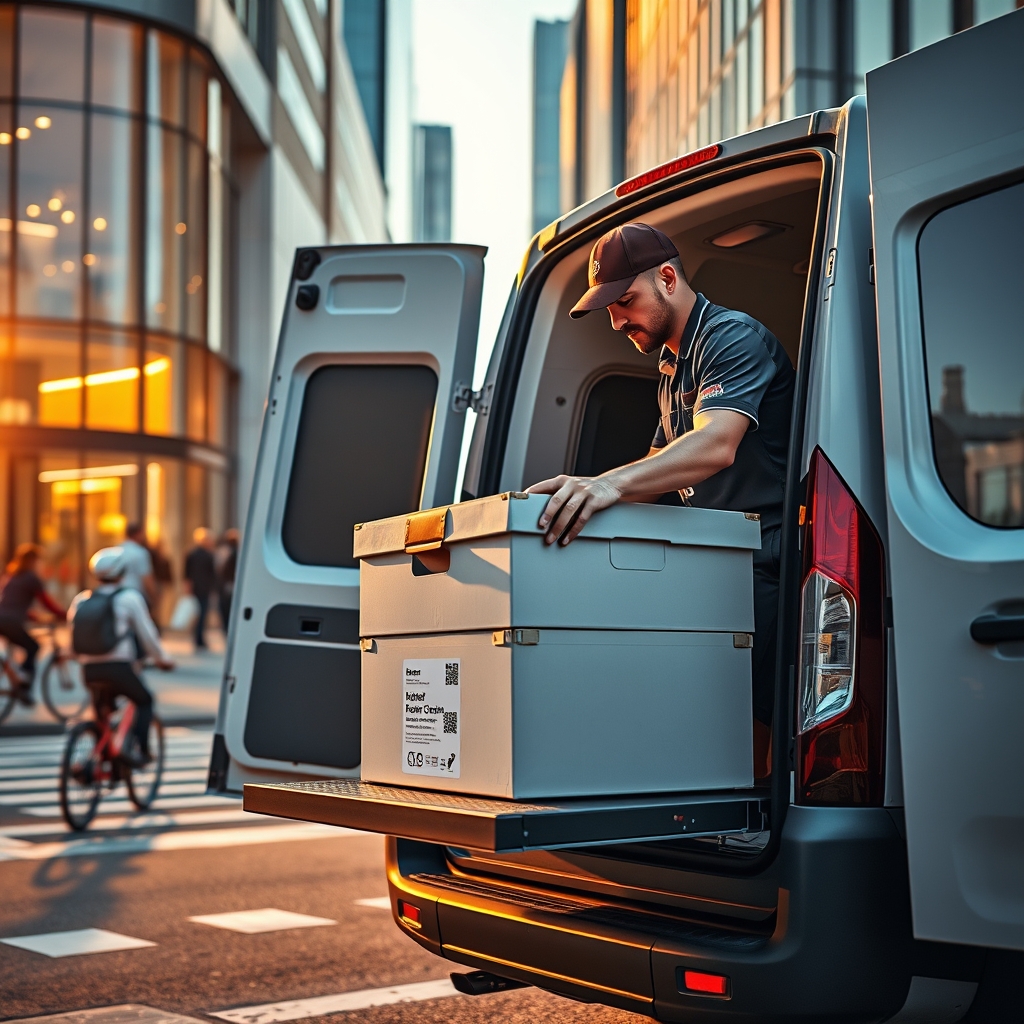
The modern catering industry is no longer confined to the kitchen or the banquet hall. It has expanded into the realm of logistics, where the last mile—the final leg of delivery—has become the battleground for customer loyalty. The rise of on-demand services, cloud kitchens, and express delivery has transformed catering from a static offering into a dynamic, time-sensitive operation. Yet, this evolution is not without its challenges. The pressure to deliver fresh, high-quality food while maintaining efficiency has forced businesses to rethink their strategies, blending culinary artistry with logistical precision.
The On-Demand Paradox
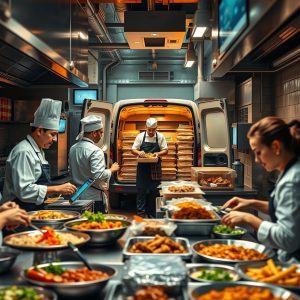
On-demand catering services promise instant gratification, but the reality is far more complex. The expectation of same-day or even same-hour delivery has created a paradox: how can businesses ensure food arrives at its peak quality when speed is the priority? The answer lies in micro-logistics—optimized routing, real-time tracking, and temperature-controlled packaging. Companies that fail to invest in these systems risk compromising taste, texture, and presentation, turning a premium service into a mediocre experience.
Corporate catering, in particular, has felt the strain of this shift. Offices no longer rely on pre-ordered buffets; instead, they demand flexible, last-minute solutions. This has given rise to hybrid models, where caterers operate as both food providers and logistics experts. The most successful businesses are those that treat delivery not as an afterthought but as an integral part of the customer experience.
The Cloud Kitchen Advantage
Cloud kitchens have emerged as a game-changer in this landscape. By eliminating the need for physical dining spaces, these virtual restaurants can focus entirely on production and delivery. This model allows for greater scalability, lower overhead costs, and the ability to test new concepts without the risk of a brick-and-mortar investment. However, the lack of a storefront means that brand reputation hinges entirely on the quality of the food and the reliability of the delivery service.
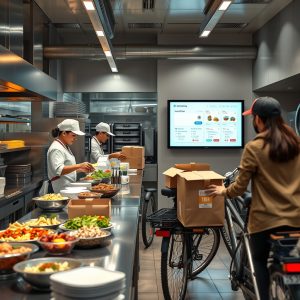
For cloud kitchens, the last mile is everything. A single delayed or mishandled order can tarnish a brand’s image, making customer service excellence non-negotiable. Many have turned to third-party logistics providers to handle deliveries, but this introduces another layer of complexity. Outsourcing logistics can lead to a loss of control over the customer experience, which is why some businesses are bringing delivery in-house, investing in their own fleets and tracking systems.
The Retail Shop Conundrum
Local retail shops and small food businesses face a different set of challenges. Unlike large catering companies or cloud kitchens, they often lack the infrastructure for large-scale delivery operations. Yet, the demand for pickup and delivery services has never been higher. Consumers expect the same level of convenience from a neighborhood bakery as they do from a national chain, forcing small businesses to adapt or risk obsolescence.
The solution for many has been to partner with on-demand delivery platforms. While this provides immediate access to a broader customer base, it also comes with drawbacks. High commission fees, limited control over delivery times, and the risk of poor service from third-party drivers can erode profit margins and customer satisfaction. Some businesses have responded by offering hybrid models—allowing customers to order online for pickup while reserving delivery for local, high-value orders.
The Human Factor in Logistics
Behind every successful catering delivery service is a team of professionals who understand that logistics is as much about people as it is about processes. Drivers, dispatchers, and customer service representatives play a crucial role in ensuring that orders arrive on time and in perfect condition. Training staff to handle the nuances of food delivery—such as maintaining proper temperatures, securing packaging, and communicating delays—can make the difference between a one-time customer and a loyal patron.
Customer service excellence extends beyond the point of delivery. Follow-up communications, feedback loops, and responsive support can turn a routine transaction into a memorable experience. In an industry where word-of-mouth and online reviews carry significant weight, the human touch remains a powerful differentiator.
The Future of Catering Delivery
The next frontier in catering delivery lies in automation and AI-driven logistics. Predictive analytics can help businesses anticipate demand, optimize routes, and reduce waste. Drones and autonomous vehicles may soon play a role in last-mile delivery, particularly in urban areas where traffic congestion is a persistent challenge. However, technology alone cannot replace the need for human oversight. The most successful catering businesses will be those that strike a balance between innovation and tradition, leveraging data while maintaining the personal touch that defines hospitality.
The last mile is no longer just a logistical hurdle—it is the defining moment of the catering experience. Businesses that recognize this and invest in both technology and talent will not only survive but thrive in an increasingly competitive market. The challenge is not just to deliver food, but to deliver an experience that leaves customers eager for the next order, confident that every detail has been meticulously managed from kitchen to doorstep.