The Silent Symphony: How Drop-Off Catering and Logistics Orchestrate Customer Service Excellence
The modern food service landscape is no longer defined by the clatter of cutlery or the hum of a bustling kitchen alone. Instead, it is the silent, unseen mechanics of logistics—precise, unobtrusive, and relentlessly efficient—that now dictate the success of catering businesses. Drop-off catering, once a niche offering, has evolved into a cornerstone of the industry, reshaping expectations for corporate events, private gatherings, and even everyday meal delivery. The shift is not merely operational; it is philosophical. Customers no longer measure excellence by the quality of the food alone but by the seamlessness of its arrival, the reliability of its delivery, and the invisibility of the effort behind it.
The Logistics of Invisibility
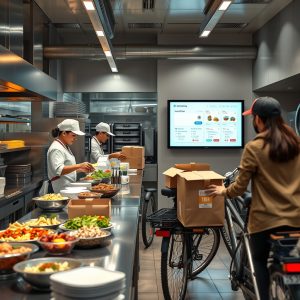
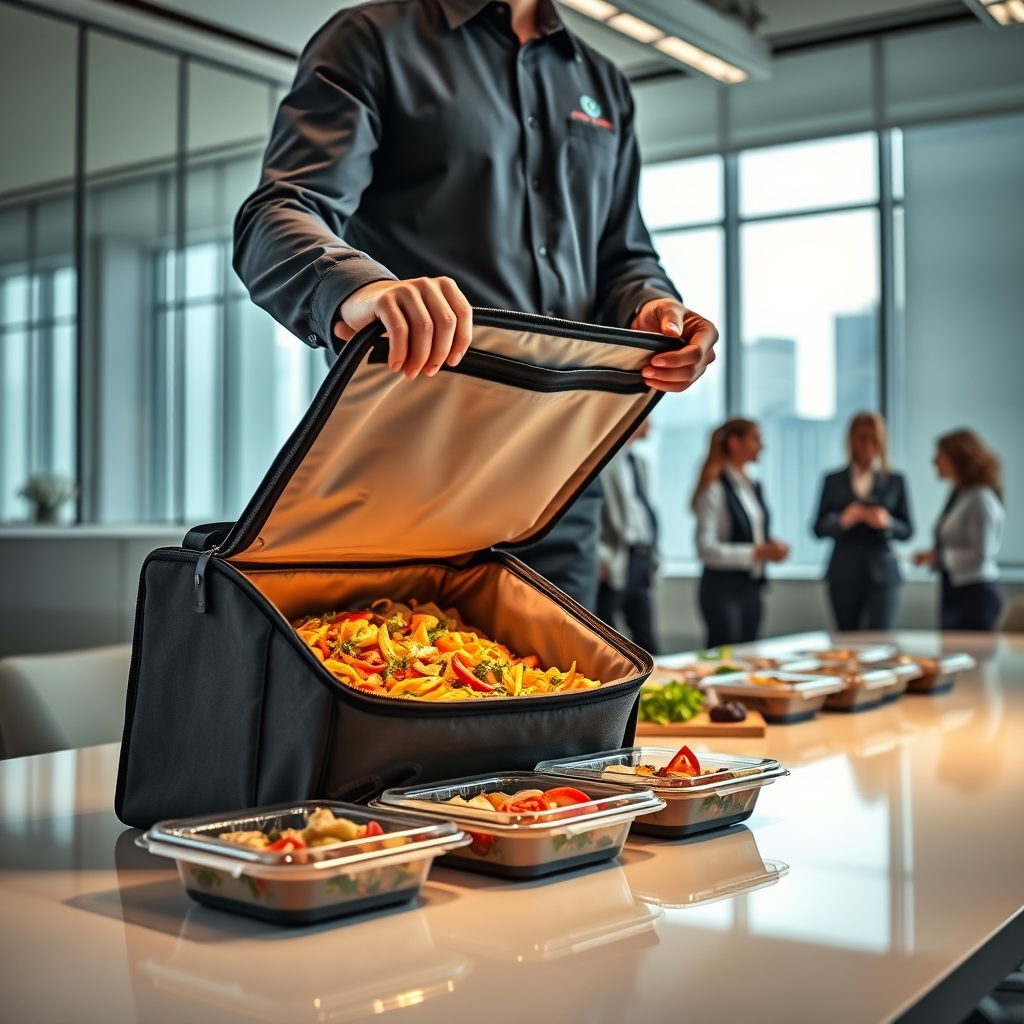
Drop-off catering thrives on the principle of invisibility. The best deliveries are those that arrive without fanfare, integrate effortlessly into an event, and leave no trace of the logistical ballet that made them possible. This demands more than just punctuality; it requires a deep understanding of timing, temperature control, packaging integrity, and last-mile precision. A corporate lunch delivered to a high-rise office, for instance, must navigate elevator schedules, security protocols, and the labyrinth of cubicles without disrupting the flow of the workday. The food must arrive at the optimal temperature, with condiments and utensils thoughtfully included, and the packaging must be as aesthetically pleasing as it is functional. Failure in any of these areas is not just a logistical misstep—it is a breach of trust.
For catering businesses, this means investing in technology that enables real-time tracking, dynamic routing, and predictive analytics. GPS-enabled delivery vehicles, IoT sensors for temperature monitoring, and AI-driven demand forecasting are no longer luxuries but necessities. The goal is not just to deliver food but to deliver an experience—one that feels effortless to the customer, even as it is meticulously engineered behind the scenes. The irony is that the more complex the logistics become, the simpler the experience must appear to the end user. This is the paradox of modern catering: the more invisible the effort, the more visible the excellence.
The Customer as the Conductor
In this symphony of logistics, the customer is no longer a passive recipient but an active participant—often, the conductor. The rise of online catering orders and on-demand services has democratized control, allowing customers to dictate not just what they eat but how, when, and where it arrives. This shift has forced catering businesses to adopt a customer-centric mindset that permeates every layer of their operations. From the user interface of an ordering platform to the demeanor of the delivery driver, every touchpoint must reinforce the perception of control, convenience, and care.
Consider the expectations set by meal delivery services like Uber Eats or DoorDash. Customers now expect the same level of transparency, flexibility, and responsiveness from catering providers. They want to track their order in real time, receive updates on delays, and have the ability to modify their request up until the last possible moment. For catering businesses, this means integrating their logistics systems with customer-facing platforms, ensuring that every status update, delay notification, or delivery confirmation is automated yet personalized. The challenge lies in balancing automation with humanity—ensuring that the customer feels heard, valued, and in control, even when the process is largely hands-off.
The Economics of Convenience
The financial implications of drop-off catering extend beyond the immediate revenue from orders. For catering businesses, it represents an opportunity to optimize resources, reduce overhead, and scale operations without proportionally increasing labor costs. Unlike traditional event catering, which often requires on-site staff, drop-off catering minimizes the need for human presence at the delivery location. This not only reduces payroll expenses but also allows businesses to serve multiple clients simultaneously, maximizing the efficiency of their logistics network.
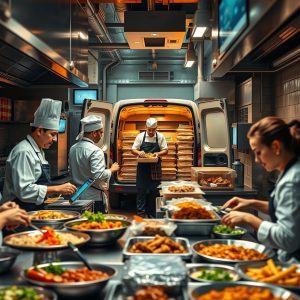
Moreover, the rise of cloud kitchens has further blurred the lines between catering and meal delivery. These virtual kitchens, designed solely for off-premise dining, enable catering businesses to operate with minimal physical infrastructure. By leveraging shared kitchen spaces and third-party delivery services, they can expand their reach without the capital expenditure of a traditional brick-and-mortar setup. The model is particularly advantageous for small businesses and local shops, which can now compete with larger players by focusing on niche markets or hyper-local delivery zones. The key to success lies in leveraging data to identify high-demand areas, optimize delivery routes, and tailor offerings to the preferences of specific customer segments.
The Human Element in a Digital World
Yet, for all its technological sophistication, the catering industry remains inherently human. The most advanced logistics systems in the world cannot compensate for a lack of empathy, adaptability, or attention to detail. A delayed delivery, a missing utensil, or a lukewarm dish can unravel the illusion of effortlessness in an instant. This is where customer service excellence becomes the differentiator. Training delivery personnel to handle unexpected situations with grace, equipping them with the tools to resolve issues on the spot, and empowering them to make decisions in the moment are critical components of a successful drop-off catering operation.
For instance, a driver who notices that a client’s order is incomplete should have the authority to rectify the issue immediately—whether by returning to the kitchen for the missing item or offering a discount on the next order. Similarly, a customer service representative who receives a complaint about a late delivery should be able to provide not just an apology but a tangible solution, such as a partial refund or a complimentary add-on for the next order. These small gestures, when executed consistently, transform one-time customers into loyal advocates. They also reinforce the idea that behind every seamless delivery is a team of people who care deeply about the customer’s experience.
The future of catering is not just about delivering food; it is about delivering peace of mind. In an era where convenience is king, the businesses that thrive will be those that recognize logistics not as a back-end function but as the frontline of customer service. The silent symphony of drop-off catering—where timing, technology, and human touch converge—will continue to redefine what it means to serve, one effortless delivery at a time. The best catering experiences are those that leave the customer wondering how it all came together so perfectly, unaware of the intricate dance of planning, precision, and care that made it possible.