The Last Mile Liturgy: How Catering Services Are Sacralizing the Art of Frictionless Delivery Through Customer-Centric Logistics
The modern catering industry is no longer just about the food—it’s about the experience. The rise of on-demand services, cloud kitchens, and hyper-local delivery has transformed catering from a logistical afterthought into a precision-engineered operation where every second counts. At the heart of this evolution lies the last mile: the final, critical stretch where convenience, quality, and customer perception collide. For catering businesses, mastering this phase isn’t just about speed; it’s about crafting an invisible symphony of efficiency, reliability, and sensory satisfaction that leaves clients craving more than just a meal.
The Myth of the Frictionless Feast
The promise of frictionless delivery is seductive. Clients expect seamless online ordering, real-time tracking, and meals that arrive at peak freshness, regardless of whether it’s a corporate lunch for fifty or an intimate home dinner. Yet, the reality is far more complex. Behind the polished interfaces of catering platforms lies a labyrinth of micro-decisions: route optimization, temperature control, packaging integrity, and the delicate balance between speed and culinary integrity. The best catering services don’t just deliver food—they deliver an illusion of effortlessness, where every potential point of friction is anticipated and neutralized before the customer even senses it.
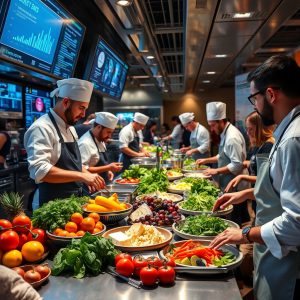
Consider the corporate catering sector, where delays aren’t just inconveniences—they’re disruptions to workflow. A late delivery doesn’t just mean cold food; it means frustrated employees, wasted time, and a tarnished brand reputation. The most successful catering businesses understand this and treat logistics as an extension of their culinary artistry. They deploy dynamic routing algorithms, real-time traffic monitoring, and even predictive analytics to ensure that the last mile doesn’t become the weakest link. The result? A service that feels less like a transaction and more like a well-rehearsed performance.
The Cloud Kitchen Conundrum: Scaling Without Sacrificing Soul
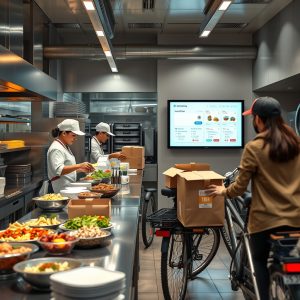
The rise of cloud kitchens has democratized the catering industry, allowing small businesses to compete with established players without the overhead of a physical storefront. But this model introduces its own set of challenges. Without a retail presence, brand trust must be built entirely through digital interactions and the consistency of the delivery experience. A single mishap—a soggy sandwich, a delayed order, or a missing utensil—can erode months of carefully cultivated goodwill.
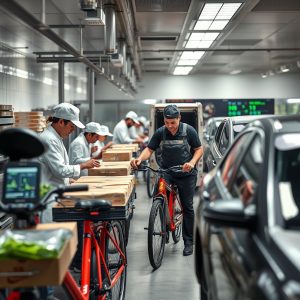
To thrive, cloud kitchens must treat logistics as a core competency. This means investing in insulated packaging that maintains temperature without compromising presentation, training delivery personnel to handle food with the same care as a sous chef, and implementing fail-safes for every conceivable scenario—from traffic jams to last-minute order changes. The goal isn’t just to deliver food; it’s to deliver an experience that feels bespoke, even at scale. The most innovative cloud kitchens are leveraging data to personalize deliveries, remembering client preferences, dietary restrictions, and even past feedback to refine future orders. In this model, the last mile isn’t just a logistical hurdle—it’s an opportunity to deepen customer relationships.
The Psychology of the Last Mile
What happens in the final minutes before a catering delivery arrives is just as important as the food itself. The anticipation of a meal triggers a cascade of psychological responses, from dopamine-driven excitement to the subtle anxiety of waiting. Smart catering services exploit this tension by turning the last mile into a narrative. Real-time tracking updates, personalized messages from the chef, or even a simple text confirming the delivery’s arrival time transform a mundane transaction into an event. The best services understand that the last mile isn’t just about logistics—it’s about storytelling.
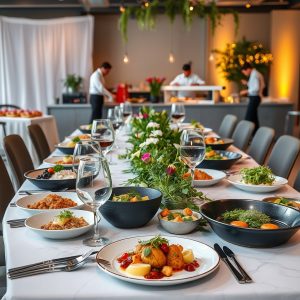
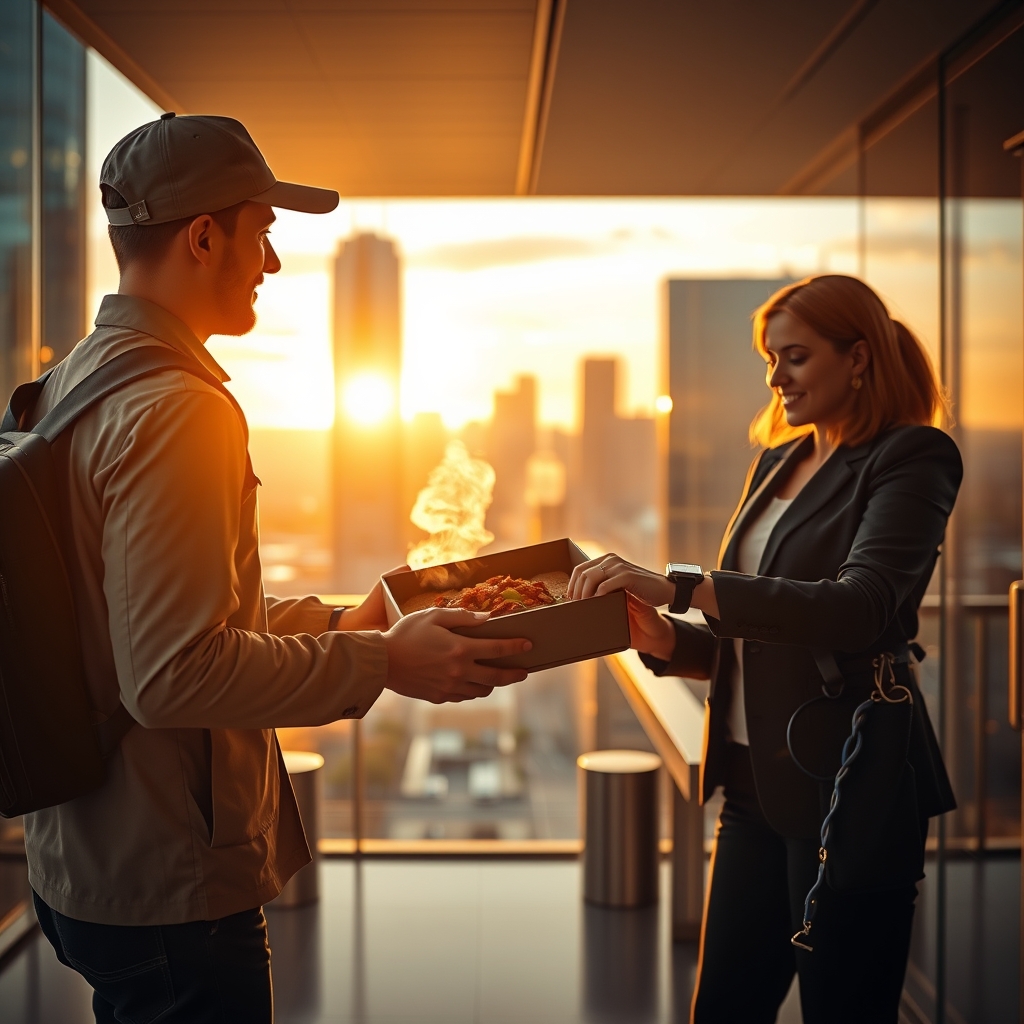
Take, for example, the rise of express delivery services in the catering space. By offering sub-hour delivery windows, these services tap into the modern consumer’s desire for instant gratification. But speed alone isn’t enough. The most successful express catering services pair rapid delivery with sensory cues that reinforce quality: the sound of a sealed container popping open, the aroma of freshly prepared food wafting through the air, the visual appeal of a thoughtfully arranged spread. These details don’t just satisfy hunger—they create memories, turning a one-time order into a repeat customer.
The Unseen Cost of Convenience
For all its benefits, the last mile also exposes the hidden costs of convenience. The pressure to deliver faster and cheaper has led some catering businesses to cut corners—compromising on packaging, overloading delivery personnel, or outsourcing logistics to third-party services that prioritize volume over quality. The result is a race to the bottom, where the only winners are the platforms that take a cut of every order, not the businesses or customers they serve.
The antidote to this race is a return to customer-centricity. The most resilient catering services are those that treat logistics as a value-add, not a cost center. They invest in training, technology, and infrastructure to ensure that every delivery reflects the care and craftsmanship of their kitchen. They understand that the last mile isn’t just about getting food from point A to point B—it’s about delivering an experience that justifies the premium clients are willing to pay. In an era where convenience is commoditized, the businesses that thrive will be those that turn the last mile into a competitive advantage, not a liability.
The catering industry’s future hinges on its ability to redefine the last mile not as a logistical challenge, but as an opportunity to elevate the entire dining experience. The businesses that succeed won’t be the ones that deliver the fastest or the cheapest—they’ll be the ones that make every delivery feel like a gift, where the food is just the beginning of the story. In a world where customers demand more than just sustenance, the last mile is where loyalty is won or lost, one perfectly timed, thoughtfully packaged meal at a time.