The Future of Event Dining: Where Technology Meets Tailored Culinary Experiences
In an era where personalization is not just appreciated but expected, the event catering industry is undergoing a transformative shift. No longer confined to generic buffets or pre-set menus, modern catering is evolving into a dynamic fusion of culinary artistry, cutting-edge technology, and deep client collaboration. This evolution is giving rise to tailored culinary experiences that engage all the senses, reflect individual preferences, and leave a lasting impression on guests.
The Rise of Client Co-Created Menus
One of the most exciting trends in event catering is the move toward client co-created menus. This approach goes beyond simple customization—it involves a collaborative process where clients work closely with chefs and event planners to design a menu that tells a story. Whether it’s incorporating family recipes, cultural traditions, or thematic elements, co-created menus ensure that every dish resonates with the event’s purpose and the host’s vision.
For example, a corporate retreat might feature a menu inspired by the company’s global offices, with each course representing a different region. Meanwhile, a wedding could showcase the couple’s love story through a progression of flavors, from their first date to their shared future. This level of personalization not only enhances the dining experience but also fosters a deeper emotional connection between the guests and the event.
Interactive Food Stations: Engaging the Senses
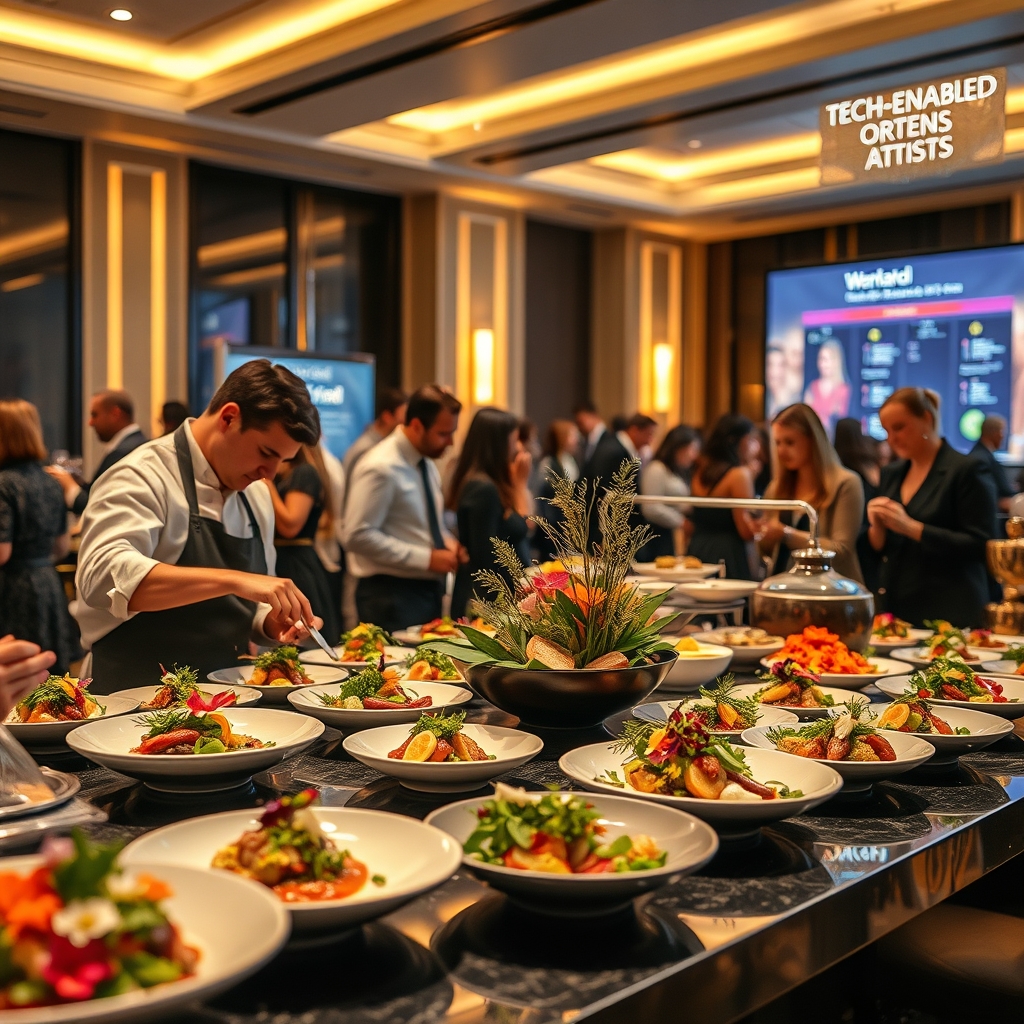
Gone are the days when guests passively received their meals. Today’s event catering is all about interactive food stations that invite participation and create memorable moments. These stations—whether it’s a build-your-own taco bar, a live sushi rolling counter, or a dessert decorating table—transform dining into an experience. Guests aren’t just eating; they’re engaging with the food, learning about its origins, and even trying their hand at culinary creativity.
Interactive stations also cater to diverse dietary needs and preferences. With options for vegan, gluten-free, or allergy-friendly choices, these setups ensure that every guest feels included. Moreover, they add an element of fun and spontaneity, making the event feel more dynamic and personalized.
The Role of Technology in Modern Catering
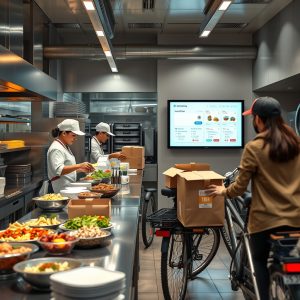
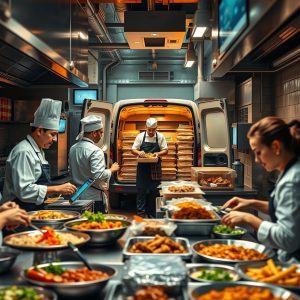
Technology is playing an increasingly pivotal role in shaping the future of event catering. From tech-enabled order management systems that streamline communication between clients, chefs, and staff to data-driven catering logistics that optimize inventory and reduce waste, digital tools are enhancing efficiency and precision.
For instance, AI-powered platforms can analyze guest preferences and dietary restrictions in real time, allowing caterers to adjust portions and menu items on the fly. Meanwhile, augmented reality (AR) and virtual reality (VR) are being used to create immersive menu previews, giving clients a taste of their event before it even begins. These innovations not only improve the planning process but also elevate the overall guest experience.
Sustainable and Ethical Sourcing: A Non-Negotiable Priority
As awareness of environmental and ethical issues grows, so does the demand for sustainable catering practices. Today’s clients are not just looking for delicious food—they want to know where it comes from, how it’s produced, and what impact it has on the planet. This has led to a surge in farm-to-table sourcing, where caterers prioritize locally grown, seasonal ingredients to minimize their carbon footprint.
Ethical sourcing strategies extend beyond ingredients to include fair labor practices, waste reduction, and eco-friendly packaging. For example, some caterers are adopting compostable serving ware, while others are partnering with local farms to ensure that surplus food is donated to those in need. These practices not only align with the values of modern consumers but also contribute to a more sustainable future for the industry.
Bespoke Beverage Pairings: Elevating the Dining Experience
No culinary experience is complete without the perfect beverage pairing. Bespoke beverage pairings take this concept to the next level by tailoring drinks to complement the flavors, themes, and even the emotions of the event. Whether it’s a signature cocktail that reflects the host’s personality, a wine selection curated to match each course, or a non-alcoholic pairing that surprises and delights, beverages are an integral part of the dining narrative.
For example, a summer garden party might feature a refreshing cucumber-mint gin and tonic, while a winter gala could offer a spiced mulled wine. The key is to create a harmonious balance between the food and drinks, ensuring that each sip enhances the overall experience.
The Art of Sensory Food Presentation
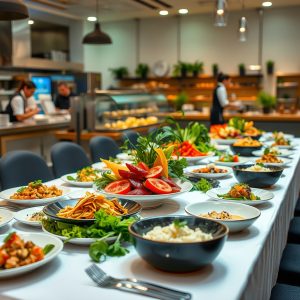
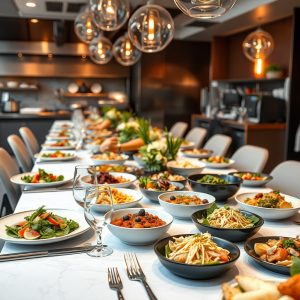
In the world of event catering, presentation is everything. Sensory food presentation goes beyond aesthetics—it’s about creating a multi-sensory experience that engages sight, smell, touch, and even sound. Modern food staging techniques, such as edible flowers, smoke infusions, and interactive plating, are designed to captivate guests from the moment their plate arrives.
For instance, a dessert might be served with a side of dry ice to create a dramatic fog effect, or a main course could be presented on a slate board with edible herbs and sauces artfully drizzled around it. These techniques not only make the food visually stunning but also enhance the overall dining experience by stimulating the senses.
Adaptive Event Catering: Flexibility in a Changing World
The events industry is no stranger to unpredictability, and adaptive event catering is all about being prepared for anything. Whether it’s last-minute guest count changes, dietary restrictions, or even a sudden shift in the event’s theme, caterers must be agile and responsive. This requires a combination of advanced planning, real-time communication, and a willingness to innovate on the spot.
For example, a caterer might use modular food stations that can be easily reconfigured to accommodate different layouts or guest flows. Alternatively, they might offer a mix-and-match menu that allows guests to create their own plates, ensuring that everyone is satisfied regardless of their preferences. This level of adaptability is what sets modern caterers apart in an ever-evolving industry.
The future of event dining is a harmonious blend of creativity, technology, and sustainability. As caterers continue to push the boundaries of what’s possible, guests can look forward to experiences that are not just meals, but memories. Whether it’s through interactive food stations, bespoke beverage pairings, or sensory food presentation, the goal remains the same: to create moments that linger long after the last bite is taken. The evolution of catering is not just about feeding people—it’s about nourishing their souls, one event at a time.