From Farm to Fork: How Sustainable Catering Practices Are Shaping the Future of Event Dining
In an era where conscious consumption is no longer a niche but a necessity, the event catering industry is undergoing a transformative shift. Gone are the days when extravagant spreads and opulent displays were the sole markers of a successful event. Today, clients and guests alike are seeking experiences that align with their values—experiences that are not only delicious but also responsible. Sustainable catering practices are at the forefront of this evolution, redefining what it means to create memorable dining experiences while minimizing environmental impact.
The Rise of Ethical Sourcing Strategies
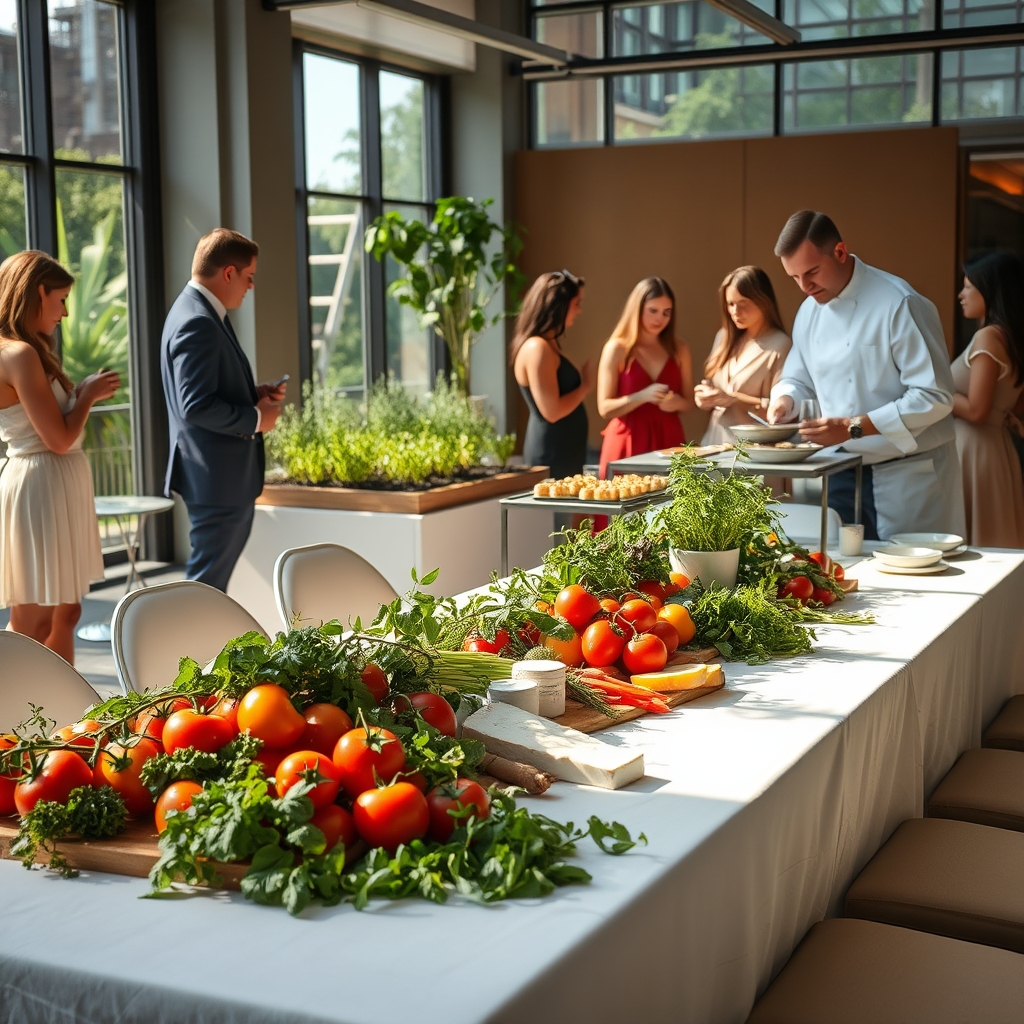
At the heart of sustainable catering lies an ethical sourcing strategy that prioritizes transparency, traceability, and fairness. Event planners and caterers are increasingly turning to local farms, artisanal producers, and fair-trade suppliers to source ingredients. This farm-to-table approach not only reduces the carbon footprint associated with transportation but also supports local economies and ensures fresher, higher-quality ingredients. For instance, a wedding menu featuring heirloom tomatoes from a nearby farm or grass-fed beef from a local ranch adds a layer of authenticity and storytelling to the dining experience, making it all the more special for guests.
Moreover, ethical sourcing extends beyond food. Beverage pairings, too, are being reimagined with sustainability in mind. Bespoke beverage programs now often include organic wines, biodynamic spirits, and locally brewed craft beers. These choices not only enhance the overall dining experience but also resonate with guests who appreciate the effort to reduce environmental harm. By partnering with suppliers who share their commitment to sustainability, caterers can create a cohesive and meaningful narrative around the event’s culinary offerings.
Holistic Event Catering: A 360-Degree Approach
Sustainable catering is not just about the ingredients—it’s about adopting a holistic approach that considers every aspect of the event. This includes everything from waste reduction and energy-efficient kitchen workflows to the use of compostable or reusable serving ware. Caterers are now designing menus with zero-waste principles in mind, ensuring that every part of an ingredient is utilized. For example, vegetable peels might be transformed into flavorful stocks, and leftover bread could be repurposed into croutons or bread pudding for a subsequent event.
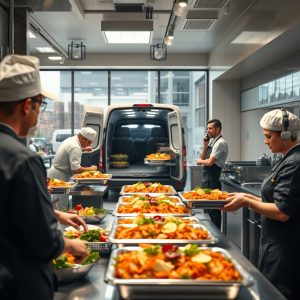
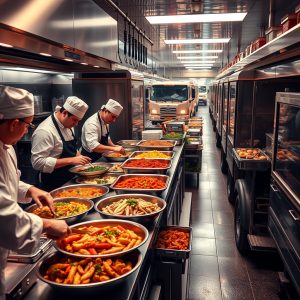
Efficient kitchen workflows also play a crucial role in sustainability. By optimizing food preparation processes, caterers can reduce energy consumption and minimize food waste. Tech-enabled order management systems are becoming indispensable tools in this regard, allowing caterers to track inventory in real-time, predict demand more accurately, and streamline communication between the kitchen and service staff. These systems not only improve operational efficiency but also contribute to a more sustainable catering model by reducing overproduction and spoilage.
Interactive Food Stations: Engaging Guests in Sustainability
One of the most exciting trends in sustainable event catering is the rise of interactive food stations. These stations do more than just serve food—they engage guests in the story behind their meal. Imagine a live cooking station where a chef prepares dishes using ingredients sourced from a nearby urban farm, or a build-your-own salad bar featuring produce grown in the event venue’s own garden. These experiences not only make dining more interactive and fun but also educate guests about the importance of sustainable practices.
Interactive stations can also be designed to minimize waste. For example, a taco bar with a variety of fillings allows guests to customize their portions, reducing the likelihood of uneaten food being discarded. Similarly, a dessert station with bite-sized treats encourages guests to sample without overindulging. By making sustainability a visible and engaging part of the event, caterers can inspire guests to adopt more mindful eating habits in their own lives.
Nutritional Customization: Catering to Diverse Dietary Needs
Another key aspect of sustainable catering is the ability to accommodate diverse dietary preferences and restrictions. Nutritional customization options are no longer an afterthought but a standard offering in modern event catering. Whether it’s plant-based menus, gluten-free alternatives, or allergen-friendly dishes, caterers are increasingly focused on creating inclusive dining experiences that cater to all guests. This not only ensures that everyone feels welcome but also reduces food waste by minimizing the risk of uneaten dishes.
Personalized event dining takes this a step further by allowing guests to co-create their menus. Through pre-event surveys or interactive platforms, guests can provide input on their preferences, enabling caterers to tailor the menu to the group’s tastes. This collaborative approach not only enhances guest satisfaction but also fosters a sense of ownership and connection to the event. When guests feel that their needs and preferences are being considered, they are more likely to engage positively with the experience and appreciate the effort behind it.
The Role of Technology in Sustainable Catering
Technology is playing an increasingly vital role in advancing sustainable catering practices. From data-driven catering logistics to modern food staging, digital tools are helping caterers reduce waste, improve efficiency, and enhance the guest experience. For example, AI-powered analytics can predict guest attendance and food consumption patterns, allowing caterers to prepare just the right amount of food. This not only reduces waste but also cuts costs, making sustainable practices more economically viable.
Tech-enabled order management systems also streamline communication between caterers, clients, and suppliers. These systems can track ingredient sourcing, monitor inventory levels, and even suggest menu adjustments based on seasonal availability. By leveraging technology, caterers can ensure that their operations are as sustainable as possible while still delivering a high-quality dining experience.
As the demand for sustainable event catering continues to grow, the industry is embracing innovative solutions that prioritize both the planet and the palate. From ethical sourcing and zero-waste principles to interactive food stations and nutritional customization, caterers are redefining what it means to create a memorable dining experience. These practices not only reduce environmental impact but also add depth and meaning to the events they serve, making them more than just meals—they become stories of responsibility, creativity, and connection. In a world where every choice matters, sustainable catering is not just a trend but a movement toward a more thoughtful and delicious future.