Beyond the Plate: How Immersive Menu Designing is Redefining Event Catering
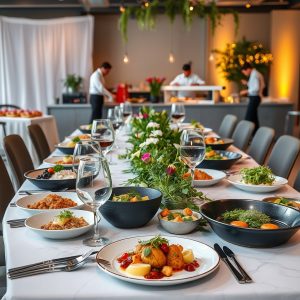
Event catering has evolved far beyond simply serving food—it’s now an art form that engages all the senses, tells a story, and creates lasting memories. At the heart of this transformation is immersive menu designing, a concept that blends creativity, personalization, and innovation to craft dining experiences that resonate deeply with guests. Whether it’s a corporate gala, a wedding reception, or an intimate gathering, the way food is conceptualized, presented, and served can elevate an event from ordinary to extraordinary.
The Rise of Thematic Culinary Design
Gone are the days when event menus were static lists of dishes. Today, thematic culinary design takes center stage, weaving a narrative that aligns with the event’s purpose, culture, or aesthetic. Imagine a vintage-inspired wedding where each course reflects a different decade, or a tech conference where futuristic plating mirrors innovation. These themes aren’t just about aesthetics—they create a cohesive journey that guests can emotionally connect with.
For instance, a farm-to-table event might feature a menu that tells the story of local farmers, with each dish highlighting seasonal ingredients sourced from nearby producers. This approach not only supports sustainable catering practices but also adds depth to the dining experience, making it more meaningful and engaging.
Sensory Food Presentation: Engaging All Five Senses
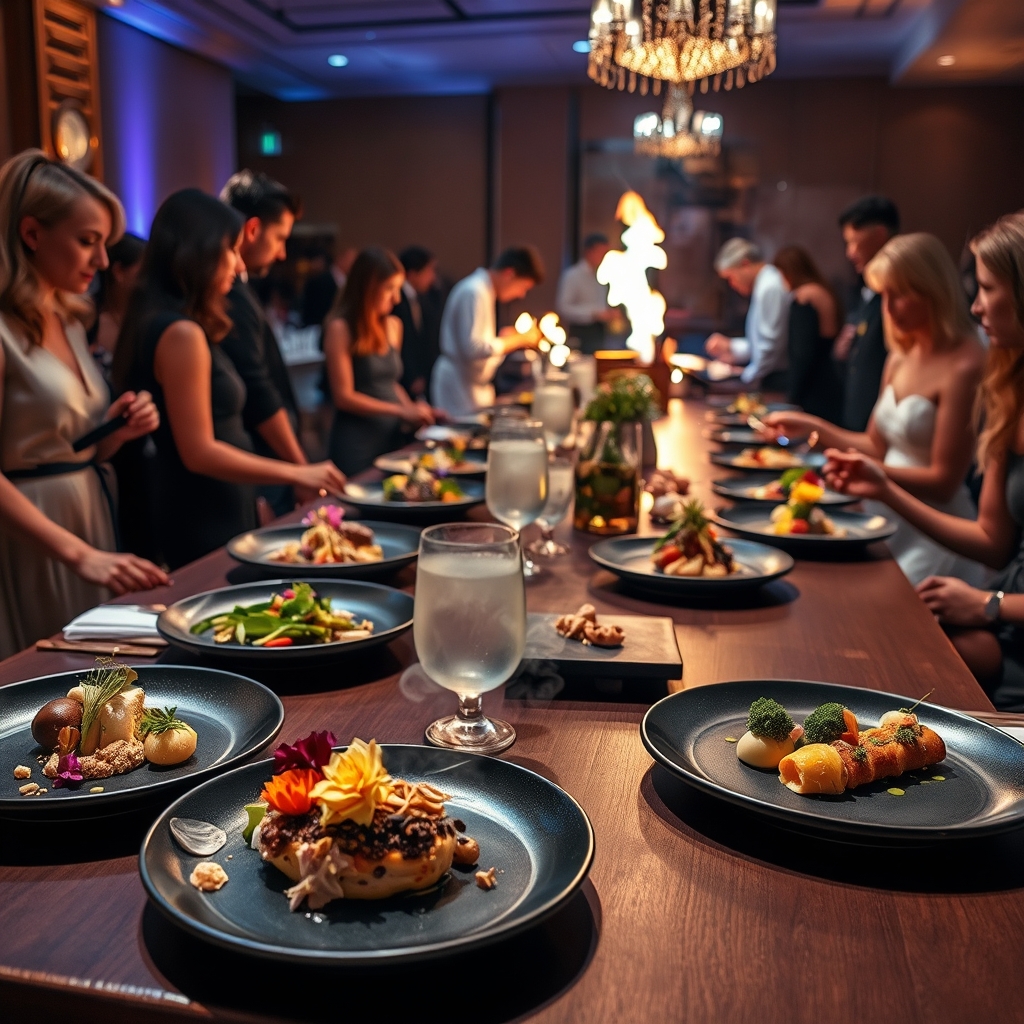
Food is no longer just about taste—it’s about creating a multisensory experience. Sensory food presentation leverages sight, sound, touch, smell, and even hearing to captivate guests. Think of a dish served on a slate board with edible flowers, accompanied by the sound of a live chef preparing a flambé at an interactive food station. Or a dessert plated with dry ice to create a misty, ethereal effect that delights the eyes before the first bite.
Modern food staging techniques, such as deconstructed dishes or molecular gastronomy, push the boundaries of traditional plating. These methods not only make the food visually stunning but also spark curiosity and conversation among guests. When every element of the presentation is intentional, the dining experience becomes unforgettable.
Personalization Through Client Co-Created Menus
One of the most exciting trends in event catering is the shift toward client co-created menus. This collaborative approach allows hosts to work closely with caterers to design a menu that reflects their vision, preferences, and even dietary restrictions. Whether it’s incorporating family recipes, cultural traditions, or unique flavor combinations, personalization ensures that the meal feels authentic and special.
For example, a couple planning their wedding might collaborate with a caterer to create a fusion menu that blends their cultural backgrounds. This not only makes the event more personal but also showcases the caterer’s ability to adapt and innovate. Similarly, corporate events can benefit from menus tailored to the company’s brand identity, reinforcing its values and messaging.
Tech-Enabled Order Management and Data-Driven Logistics
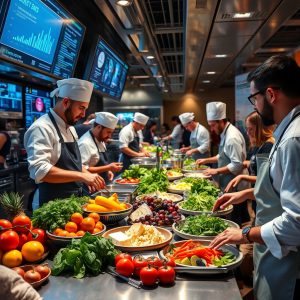
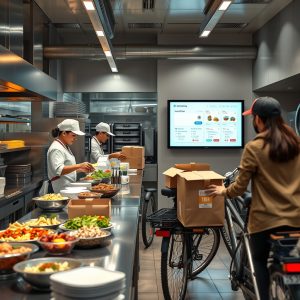
Behind the scenes, technology is playing a crucial role in streamlining catering operations. Tech-enabled order management systems allow caterers to track inventory, manage orders, and coordinate deliveries with precision. This not only reduces waste but also ensures that every dish is prepared and served at its peak.
Meanwhile, data-driven catering logistics are helping caterers optimize their workflows. By analyzing past events, caterers can predict demand, adjust staffing levels, and even anticipate guest preferences. This level of efficiency allows them to focus on what truly matters—delivering a flawless dining experience.
Sustainable and Ethical Sourcing: A Non-Negotiable Standard
Today’s guests are more conscious than ever about where their food comes from. Ethical sourcing strategies and farm-to-table sourcing are no longer optional—they’re expected. Caterers who prioritize sustainability not only reduce their environmental impact but also appeal to a growing segment of eco-conscious clients.
This might involve partnering with local farms to source ingredients, using compostable packaging, or implementing zero-waste practices in the kitchen. Some caterers even go a step further by offering nutritional customization options, such as plant-based or gluten-free alternatives, to accommodate diverse dietary needs. When sustainability is woven into the catering process, it enhances the overall experience and aligns with the values of modern consumers.
Bespoke Beverage Pairing: Elevating the Drinking Experience
No immersive dining experience is complete without a thoughtfully curated beverage selection. Bespoke beverage pairing takes drink service to the next level by matching wines, cocktails, or non-alcoholic options to each course. This not only enhances the flavors of the food but also adds another layer of sophistication to the event.
For example, a seafood dish might be paired with a crisp white wine, while a rich chocolate dessert could be complemented by a bold port. Some caterers even offer interactive beverage stations where guests can customize their drinks, adding a fun and engaging element to the experience. When done right, beverage pairing transforms a meal into a true culinary journey.
Adaptive Event Catering: Flexibility in a Changing World
The events industry is constantly evolving, and caterers must be able to adapt to changing trends, guest expectations, and even unforeseen challenges. Adaptive event catering is all about flexibility—whether it’s adjusting menus on the fly, accommodating last-minute dietary requests, or pivoting to a hybrid event model.
For instance, during the pandemic, many caterers shifted to contactless service models, offering individually plated meals or grab-and-go options. Today, this adaptability remains a key differentiator, allowing caterers to meet the unique needs of each event while maintaining premium service standards. The ability to innovate and respond to change ensures that every event is a success, no matter the circumstances.
In a world where experiences matter more than ever, immersive menu designing is redefining what it means to dine at an event. By blending creativity, personalization, and innovation, caterers are not just serving food—they’re crafting moments that linger in the minds of guests long after the last bite. The future of event catering lies in these thoughtful, sensory-rich experiences, where every detail is designed to delight and inspire.