The Last Mile Luxury: How High-End Catering Services Are Weaponizing Logistics to Command Devotion Beyond Convenience
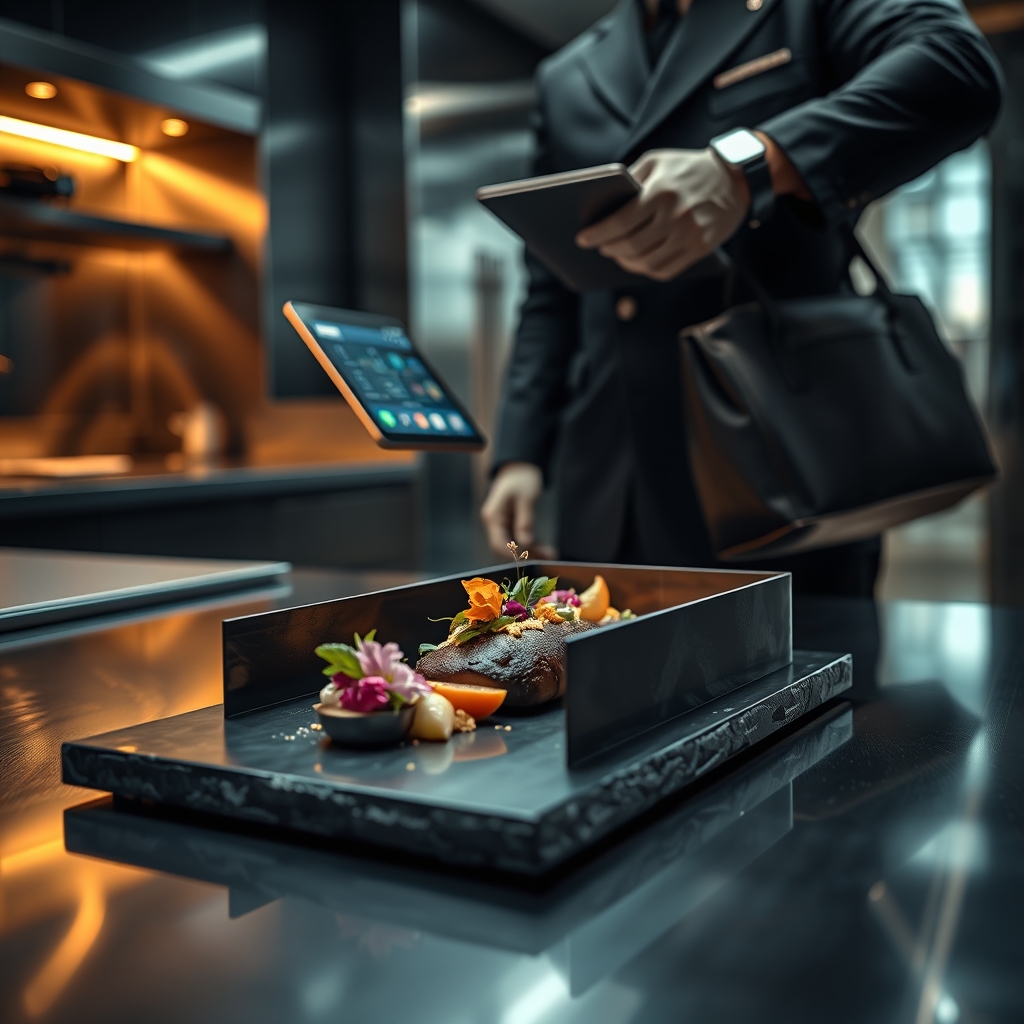
The modern catering industry is no longer defined by the quality of its food alone. It is a battlefield of logistics, where the last mile—the final, critical handoff between kitchen and consumer—has become the defining factor in customer devotion. High-end catering services, in particular, have mastered the art of weaponizing logistics, transforming what was once a mere delivery mechanism into a tool of psychological manipulation. The result? A customer base that doesn’t just appreciate convenience but demands it, even at the cost of sensory integrity.
The Illusion of Scarcity
Luxury catering thrives on the perception of exclusivity. The more unattainable a service appears, the more desirable it becomes. This is where logistics step in—not as a support function, but as a strategic weapon. By controlling delivery windows, limiting drop-off locations, and even introducing artificial delays, high-end catering services create an illusion of scarcity. The customer, conditioned to expect instant gratification, is forced to adapt. The result? A heightened sense of anticipation, a willingness to pay premium prices, and, most importantly, an unshakable belief that the service is worth the wait.
The Speed-Sensory Trade-Off
In the age of on-demand everything, speed is often mistaken for quality. Yet, in the world of high-end catering, the two are frequently at odds. A meal that arrives in 30 minutes may be logistically impressive, but it is rarely culinary perfection. The challenge for luxury catering services is to reconcile these competing demands without compromising either. The solution? A carefully orchestrated dance of logistics, where speed is sacrificed in favor of sensory integrity—but only when the customer perceives the trade-off as intentional, even desirable. This is the paradox of the last mile: the slower the delivery, the more luxurious it feels.
The Psychology of the Unseen Handoff
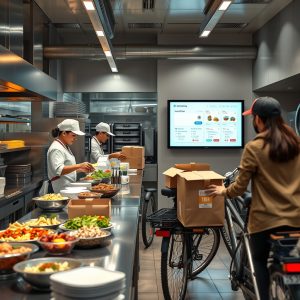
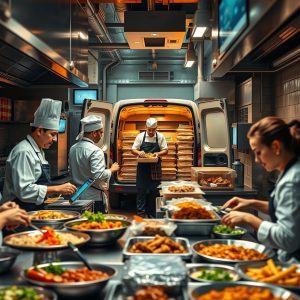
The most effective catering logistics are those that remain invisible. The customer should never question how the meal arrived, only that it did—perfectly, effortlessly, as if by magic. This is where the art of the unseen handoff comes into play. High-end catering services invest heavily in micro-fulfillment centers, temperature-controlled packaging, and even white-glove delivery personnel, all designed to eliminate friction. The goal is not just to deliver food but to deliver an experience—one where the logistics are so seamless that they disappear entirely, leaving only the illusion of effortless luxury.
The Data-Driven Kitchen
Luxury catering is no longer a game of intuition. It is a science of data, where every delivery, every customer interaction, is tracked, analyzed, and optimized. The most successful high-end catering services use predictive analytics to anticipate demand, machine learning to refine delivery routes, and even AI to personalize meal recommendations. The result? A service that doesn’t just meet expectations but anticipates them, turning logistics into a competitive advantage. The customer, unaware of the algorithms at work, experiences only the illusion of bespoke service—tailored, effortless, and utterly irresistible.
The Frictionless Future
The next frontier of luxury catering lies in the elimination of friction—not just in delivery, but in the entire customer journey. Cloud kitchens, automated ordering systems, and even drone deliveries are no longer futuristic fantasies but imminent realities. Yet, the true challenge for high-end catering services will be to integrate these technologies without sacrificing the human touch that defines luxury. The most successful brands will be those that can make technology feel invisible, turning logistics into an art form where the customer never sees the machinery, only the magic.
In the end, the last mile is not just a logistical challenge but a psychological one. High-end catering services that understand this will not just survive but dominate, turning the act of delivery into an exercise in devotion. The customer, conditioned to expect perfection, will not just return—they will demand more, willing to pay whatever it takes to maintain the illusion of effortless luxury. And in that demand lies the true power of the last mile: not just to deliver food, but to command devotion.