The Science of Sensory Delight: How Modern Food Staging and Interactive Stations Create Unforgettable Events
In the ever-evolving world of event catering, the focus has shifted from merely serving food to crafting experiences that engage all five senses. Modern food staging and interactive food stations are at the forefront of this transformation, turning meals into memorable journeys that leave a lasting impression on guests. These innovations are not just about aesthetics; they are about creating a dynamic interplay between flavor, texture, aroma, and visual appeal that elevates the entire dining experience.
The Psychology Behind Sensory Food Presentation
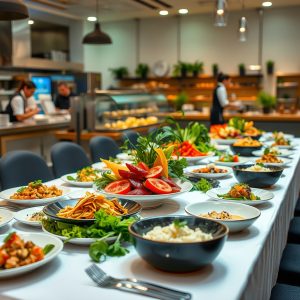
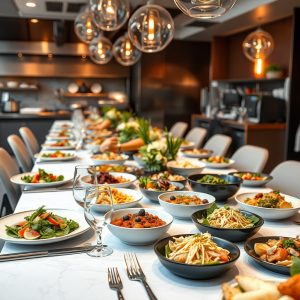
Understanding the psychology of sensory perception is key to designing a dining experience that resonates with guests. Studies have shown that the way food is presented can significantly influence how it is perceived in terms of taste, quality, and even value. For instance, a dish arranged with precision and artistic flair can make flavors seem more intense and satisfying. This is where modern food staging comes into play, leveraging color contrasts, plate shapes, and strategic placement to create a visual feast that complements the culinary one.
Interactive food stations take this concept a step further by inviting guests to engage with their food in a hands-on manner. Whether it’s a build-your-own taco bar, a live sushi rolling station, or a dessert decorating table, these setups create a sense of anticipation and excitement. The act of participation not only makes the experience more personal but also enhances the sensory enjoyment, as guests become active participants in their own culinary adventure.
Designing Thematic Culinary Experiences
Thematic culinary design is another powerful tool in the arsenal of modern caterers. By aligning the food presentation with the event’s theme—whether it’s a rustic farm-to-table gathering, a sleek corporate gala, or a whimsical garden party—caterers can create a cohesive narrative that immerses guests in the experience. For example, a beach-themed event might feature seafood stations with sandcastle-inspired displays, while a vintage-inspired soirée could include retro plating styles and classic comfort foods served in nostalgic ways.
The key to successful thematic design lies in the details. From the choice of serving vessels to the garnishes and even the background music, every element should work together to reinforce the theme. This holistic approach ensures that the dining experience feels intentional and thoughtfully curated, rather than just a collection of dishes.
The Role of Technology in Modern Food Staging
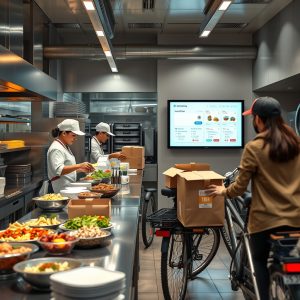
Technology has become an indispensable ally in the quest to create unforgettable dining experiences. Tech-enabled order management systems streamline the process of customizing menus and tracking guest preferences, allowing caterers to deliver personalized service with precision. For example, digital platforms can collect data on dietary restrictions, flavor preferences, and even past event feedback to tailor menus that resonate with each guest.
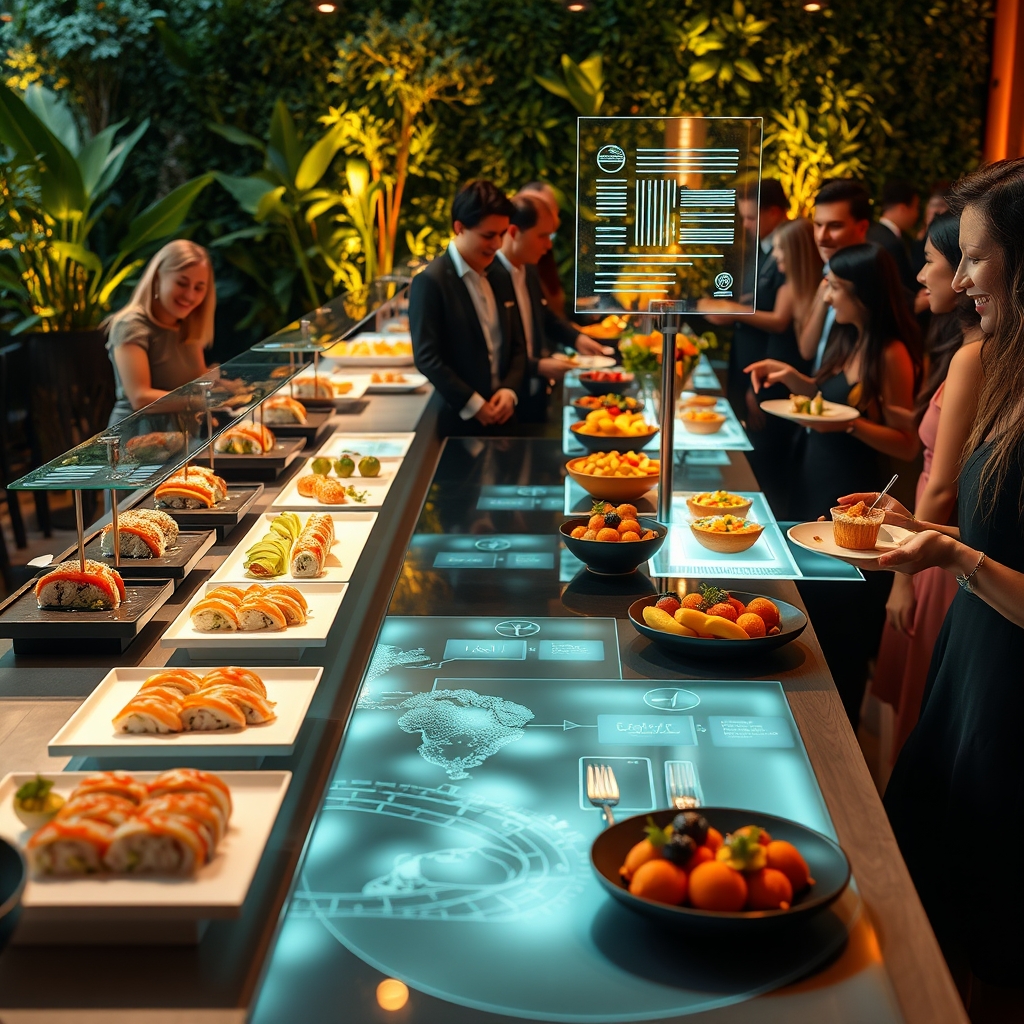
In the realm of food staging, augmented reality (AR) and projection mapping are emerging as game-changers. Imagine a table where the surface transforms into a dynamic canvas, displaying the origins of the ingredients or the story behind a particular dish. These technologies not only enhance the visual appeal but also add an educational layer, deepening the connection between guests and their food. Interactive digital menus, where guests can explore the ingredients and preparation methods with a swipe or tap, further enrich the experience by making it more informative and engaging.
Sustainable and Ethical Considerations
As the demand for sustainable catering practices grows, modern food staging is evolving to reflect these values. Ethical sourcing strategies, such as farm-to-table sourcing and partnerships with local producers, are becoming standard in the industry. These practices not only reduce the environmental impact of events but also ensure that the ingredients are fresh, seasonal, and of the highest quality.
Sustainable food staging goes beyond the ingredients themselves. It includes the use of eco-friendly serving ware, such as compostable plates and utensils, and minimizing food waste through careful portion control and creative repurposing of leftovers. For instance, a zero-waste event might feature a station where guests can assemble their own meals from pre-portioned ingredients, reducing the likelihood of uneaten food. By integrating these practices into the design of interactive stations and food displays, caterers can create experiences that are not only visually stunning but also environmentally responsible.
Elevating Service Standards Through Personalization
Premium service standards are no longer just about attentive waitstaff or elegant table settings. Today’s guests expect a level of personalization that makes them feel seen and valued. This is where data-driven catering logistics come into play, allowing caterers to anticipate guest needs and preferences before they even arrive. For example, a guest with a gluten allergy might find a specially curated menu waiting for them, complete with dishes that cater to their dietary requirements without making them feel singled out.
Personalized event dining also extends to the way food is served. Adaptive event catering, where menus and service styles are adjusted in real-time based on guest feedback, ensures that the experience remains dynamic and responsive. For instance, if a particular dish is receiving rave reviews, caterers might highlight it more prominently or offer additional servings. Conversely, if a station isn’t performing well, adjustments can be made on the fly to keep the energy high and the experience enjoyable for everyone.
Nutritional customization options are another way to elevate the dining experience. Guests today are more health-conscious than ever, and offering choices that cater to different dietary philosophies—whether it’s keto, vegan, paleo, or low-sugar—ensures that everyone can enjoy the event without compromise. Interactive stations that allow guests to customize their meals, such as a salad bar with a variety of toppings or a smoothie station with superfood add-ins, empower them to make choices that align with their personal health goals while still indulging in the experience.
The art of modern food staging and interactive stations is about more than just serving food; it’s about creating a multisensory journey that captivates guests from the moment they arrive. By blending psychology, technology, sustainability, and personalization, caterers can craft experiences that are not only delicious but also deeply memorable. As the industry continues to evolve, the possibilities for innovation are endless, and those who embrace these trends will set the standard for what it means to dine in the modern era. The future of event catering lies in the ability to transform a meal into a story, a moment into a memory, and a gathering into an unforgettable experience.