The Logistics of Taste: How Catering Services Are Redefining the Economics of Sensory Satisfaction
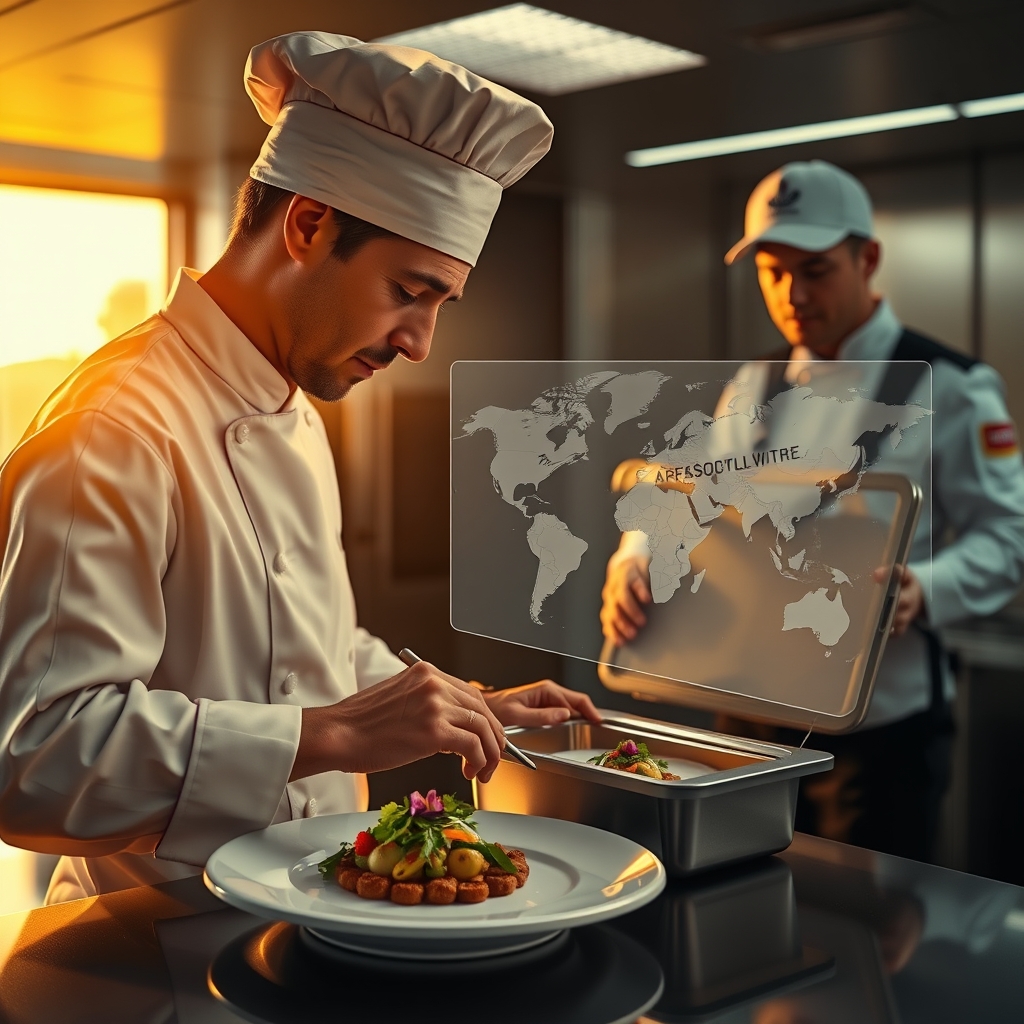
The modern catering industry is no longer just about food—it is about the orchestration of an experience. Every dish delivered, every corporate lunchbox unboxed, and every last-minute event spread unfurled is the culmination of a logistical ballet that most customers never see. Yet, it is this unseen precision that determines whether a catering service thrives or fades into the noise of a saturated market. The economics of sensory satisfaction have shifted from mere culinary craftsmanship to a complex interplay of timing, temperature, presentation, and reliability. Those who master this interplay do not just feed clients; they command loyalty.
The Illusion of Simplicity in On-Demand Catering
At first glance, the rise of on-demand catering appears to be a triumph of convenience. A few taps on a smartphone, and a gourmet meal arrives at your doorstep, still warm, still vibrant, still bearing the illusion of having been prepared moments ago. But this illusion is the product of meticulous planning, real-time logistics, and an almost obsessive attention to detail. The challenge lies not in cooking the food—any competent kitchen can do that—but in ensuring that the food arrives in a state that justifies its price, its promise, and its place in the customer’s memory.
Consider the corporate catering sector, where the stakes are particularly high. A delayed delivery or a lukewarm entrée is not just a minor inconvenience; it is a disruption to workflow, a dent in productivity, and, most critically, a breach of trust. The best corporate catering services understand that their role extends beyond the plate. They are not merely delivering meals; they are delivering an experience that reinforces a company’s culture, its values, and its commitment to its employees. This is why the logistics of corporate catering are often more rigorous than those of a high-end restaurant. The margin for error is razor-thin, and the consequences of failure are immediate and measurable.
The Cloud Kitchen Paradox: Efficiency vs. Experience
The advent of cloud kitchens has further complicated the catering landscape. On one hand, these delivery-only operations have drastically reduced overhead costs, allowing catering businesses to scale with unprecedented speed. On the other, they have stripped away the traditional touchpoints that once defined the catering experience—the handshake with the chef, the aroma of a bustling kitchen, the theatrical plating of a dish before it leaves the premises. In their place, cloud kitchens offer efficiency, but at what cost?
The paradox lies in the fact that while cloud kitchens excel at logistics, they often struggle to replicate the sensory richness that customers associate with high-quality catering. The solution? A hybrid approach that leverages the efficiency of cloud kitchens while preserving the elements that make catering memorable. This might mean investing in premium packaging that maintains temperature and presentation, or it could involve deploying specialized delivery personnel trained to handle food with the same care as a sommelier handles a rare vintage. The goal is not just to deliver food, but to deliver an experience that transcends the limitations of a digital interface.
The Last Mile as a Battleground for Customer Loyalty
If the kitchen is the heart of a catering operation, the last mile is its soul. This is where the promise of a catering service is either fulfilled or broken. A flawless meal can be undone by a late delivery, a careless driver, or a poorly insulated container. Conversely, a mediocre dish can be elevated by impeccable timing, a friendly interaction, or a thoughtful presentation. The last mile is not just a logistical challenge; it is a psychological one. It is the moment when a customer’s expectations collide with reality, and the outcome of that collision determines whether they will return.
For catering services, mastering the last mile requires more than just efficient routing software or a fleet of reliable drivers. It demands an understanding of the emotional weight that customers attach to their meals. A bride-to-be ordering a tasting menu for her wedding party is not just buying food; she is buying peace of mind. A CEO ordering lunch for a high-stakes board meeting is not just feeding her team; she is ensuring that the meeting runs smoothly. The best catering services recognize these nuances and tailor their logistics accordingly. They understand that the last mile is not just about speed—it is about empathy, anticipation, and the ability to turn a transaction into a relationship.
The Role of Data in Decoding Customer Desires
In an industry where margins are tight and competition is fierce, data has become the secret weapon of successful catering services. Every online order, every feedback form, and every delivery delay is a data point that can be analyzed to refine operations. The most forward-thinking catering businesses are using this data to predict customer behavior, optimize delivery routes, and even personalize menu recommendations. But data alone is not enough. The real magic happens when catering services use these insights to anticipate needs before they are articulated.
For example, a catering service might notice that a particular corporate client always orders vegetarian options on Fridays. Instead of waiting for the order to come in, they could proactively suggest a new vegetarian dish or offer a discount for early booking. Similarly, a home catering service might track a customer’s past orders to recommend a meal plan that aligns with their dietary preferences. This level of personalization transforms a catering service from a vendor into a partner, one that understands its customers’ rhythms and adapts accordingly.
The Future of Catering: Beyond the Plate
The next frontier for catering services lies in redefining what it means to deliver food. It is no longer enough to drop off a meal and drive away. The most successful catering businesses are those that see themselves as curators of experiences, whether that means offering interactive cooking demonstrations for corporate events, providing guided wine pairings for private dinners, or even integrating augmented reality into their packaging to tell the story behind a dish. The logistics of taste are evolving, and those who fail to keep pace will be left behind.
The catering industry’s future belongs to those who recognize that food is just the beginning. The real value lies in the seamless integration of logistics, technology, and human touch. It is about turning a simple meal into a moment, a transaction into a relationship, and a delivery into an experience. In a world where convenience is king, the catering services that thrive will be those that understand that the last mile is not just a distance to be covered—it is an opportunity to be seized.