Express Delivery Services: Meeting the Demand for Fast and Reliable Food Logistics
The modern food industry operates at a pace unlike any other, where the expectation of speed and reliability has reshaped how businesses approach logistics. Express delivery services have become the backbone of this transformation, enabling restaurants, grocery stores, and meal kit providers to meet consumer demands without sacrificing quality. However, achieving this balance is no small feat. It requires a blend of cutting-edge technology, strategic planning, and an unwavering commitment to efficiency.
The Rise of Express Delivery in Food Logistics
The shift toward express delivery in the food sector has been driven by several key factors. First, the rise of e-commerce and on-demand services has conditioned consumers to expect near-instant gratification. Whether it’s a late-night craving for pizza or a last-minute grocery run, customers no longer tolerate long wait times. Second, the COVID-19 pandemic accelerated this trend, as lockdowns and social distancing measures forced businesses to pivot toward delivery-centric models. Even as restrictions have eased, the convenience of express delivery has become a permanent fixture in consumer behavior.
For businesses, this means rethinking traditional logistics frameworks. The old model of batch deliveries and static routes is no longer viable. Instead, companies must adopt dynamic, real-time systems that can adapt to fluctuating demand, traffic conditions, and unforeseen disruptions. The stakes are high: a delayed or mishandled delivery can result in spoiled food, dissatisfied customers, and lost revenue.
Key Challenges in Fast and Reliable Food Delivery
While the benefits of express delivery are clear, the challenges are equally significant. One of the most pressing issues is maintaining food quality during transit. Perishable items like dairy, produce, and prepared meals require temperature-controlled environments to prevent spoilage. This necessitates investment in specialized packaging, refrigerated vehicles, and monitoring systems that can track conditions throughout the delivery process.
Another challenge is the sheer complexity of last-mile delivery. Urban areas, with their dense populations and congested streets, present unique obstacles. Navigating traffic, finding parking, and ensuring timely handovers to customers require precise coordination. In rural or suburban areas, the challenge shifts to covering vast distances efficiently without inflating costs. Balancing speed with cost-effectiveness is a delicate act, and many businesses struggle to find the right equilibrium.
Labor shortages and rising operational costs further complicate the landscape. The demand for delivery drivers and logistics personnel has surged, but attracting and retaining skilled workers remains difficult. Additionally, fuel prices, vehicle maintenance, and insurance expenses add layers of financial pressure. Businesses must find ways to optimize their operations to offset these costs while still delivering on their promise of speed and reliability.
The Role of Technology in Overcoming Challenges
Technology has emerged as the great enabler of express food delivery. Route optimization software, for instance, uses algorithms to calculate the most efficient paths for drivers, taking into account traffic patterns, delivery windows, and vehicle capacity. This not only reduces delivery times but also lowers fuel consumption and operational costs. Real-time tracking systems provide transparency for both businesses and customers, allowing for proactive adjustments if delays occur.
Artificial intelligence (AI) and machine learning are also playing a growing role in predictive analytics. By analyzing historical data, these systems can forecast demand spikes, helping businesses allocate resources more effectively. For example, a restaurant can anticipate a surge in orders during a major sporting event and pre-position drivers to handle the influx. Similarly, AI-driven inventory management ensures that popular items are always in stock, reducing the risk of stockouts and disappointed customers.
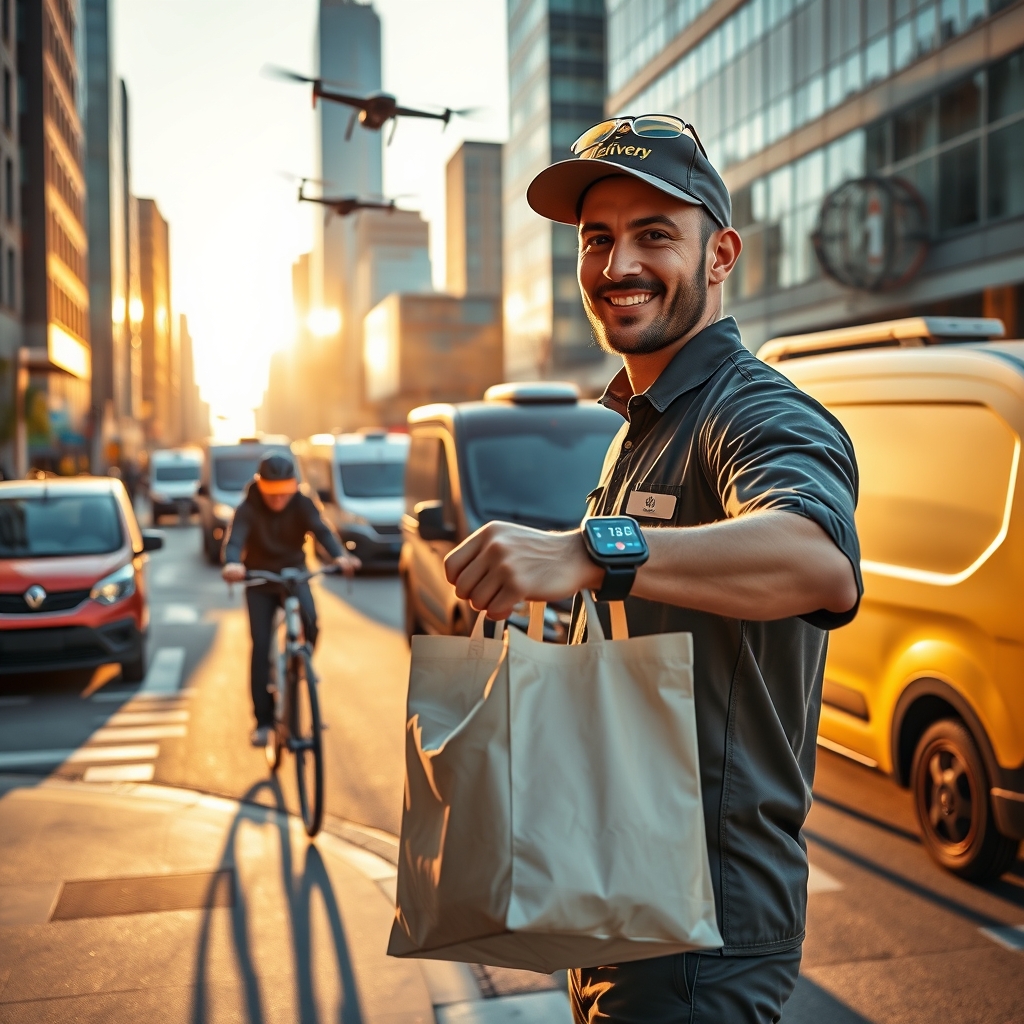
Automation is another frontier in express delivery. Drones and autonomous vehicles are being tested for last-mile deliveries, particularly in areas where traditional logistics are inefficient. While widespread adoption is still on the horizon, these innovations hold the promise of faster, cheaper, and more scalable delivery solutions. In the meantime, businesses are leveraging automated sorting systems in warehouses to speed up order fulfillment and reduce human error.
Best Practices for Businesses
For businesses looking to excel in express food delivery, a few best practices can make all the difference. First, investing in a robust logistics platform is non-negotiable. This platform should integrate route optimization, real-time tracking, and customer communication tools to create a seamless experience. Second, businesses must prioritize food safety and quality. This means using insulated packaging, temperature-controlled vehicles, and regular quality checks to ensure that items arrive in perfect condition.
Collaboration is another critical factor. Partnering with third-party delivery services can help businesses scale quickly without the overhead of managing their own fleet. However, it’s essential to choose partners that align with the company’s values and standards. Clear communication and shared goals can prevent misalignment and ensure a consistent customer experience.
Finally, businesses should focus on sustainability. Express delivery often comes with a higher carbon footprint due to increased vehicle usage and packaging waste. Implementing eco-friendly practices, such as using electric vehicles, biodegradable packaging, and optimized routes, can reduce environmental impact while appealing to environmentally conscious consumers.
The evolution of express delivery services in the food industry is a testament to the power of innovation and adaptability. As technology continues to advance, businesses that embrace these changes will be best positioned to meet the demands of a fast-paced world. The key lies in balancing speed with reliability, efficiency with quality, and profitability with sustainability. Those who strike this balance will not only thrive in the present but also shape the future of food logistics, where every delivery is an opportunity to exceed expectations and build lasting customer loyalty.