The Invisible Thread: How Catering Logistics Weave Customer Loyalty Beyond the Plate
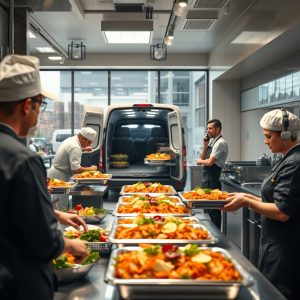
The modern catering industry is no longer defined solely by the quality of its food. While flavor, presentation, and culinary innovation remain critical, the true differentiator lies in the invisible infrastructure that delivers it—logistics. The seamless orchestration of pickup, delivery, and drop-off services has become the silent backbone of customer loyalty, transforming one-time transactions into enduring relationships. Yet, this shift is not merely operational; it is psychological. Clients no longer measure satisfaction by the meal alone but by the frictionless experience that precedes and follows it.
The Illusion of Effortlessness
Effortlessness is the new luxury. In an era where time is the most precious commodity, catering services that master the art of invisibility—where orders materialize at the precise moment of need without a single hiccup—command premium loyalty. This illusion is not accidental; it is engineered through a confluence of real-time tracking, predictive analytics, and micro-logistics. Consider the corporate catering sector, where delays or miscommunications can derail an entire meeting. A service that guarantees on-time delivery, accurate portioning, and zero errors doesn’t just meet expectations; it redefines them. The client’s perception of value shifts from the product to the process, and therein lies the opportunity for businesses to embed themselves into the fabric of their clients’ operations.
The Psychology of the Last Mile
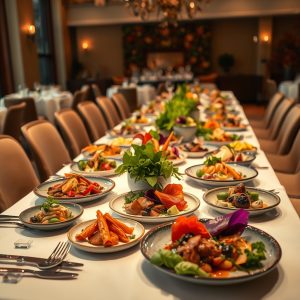
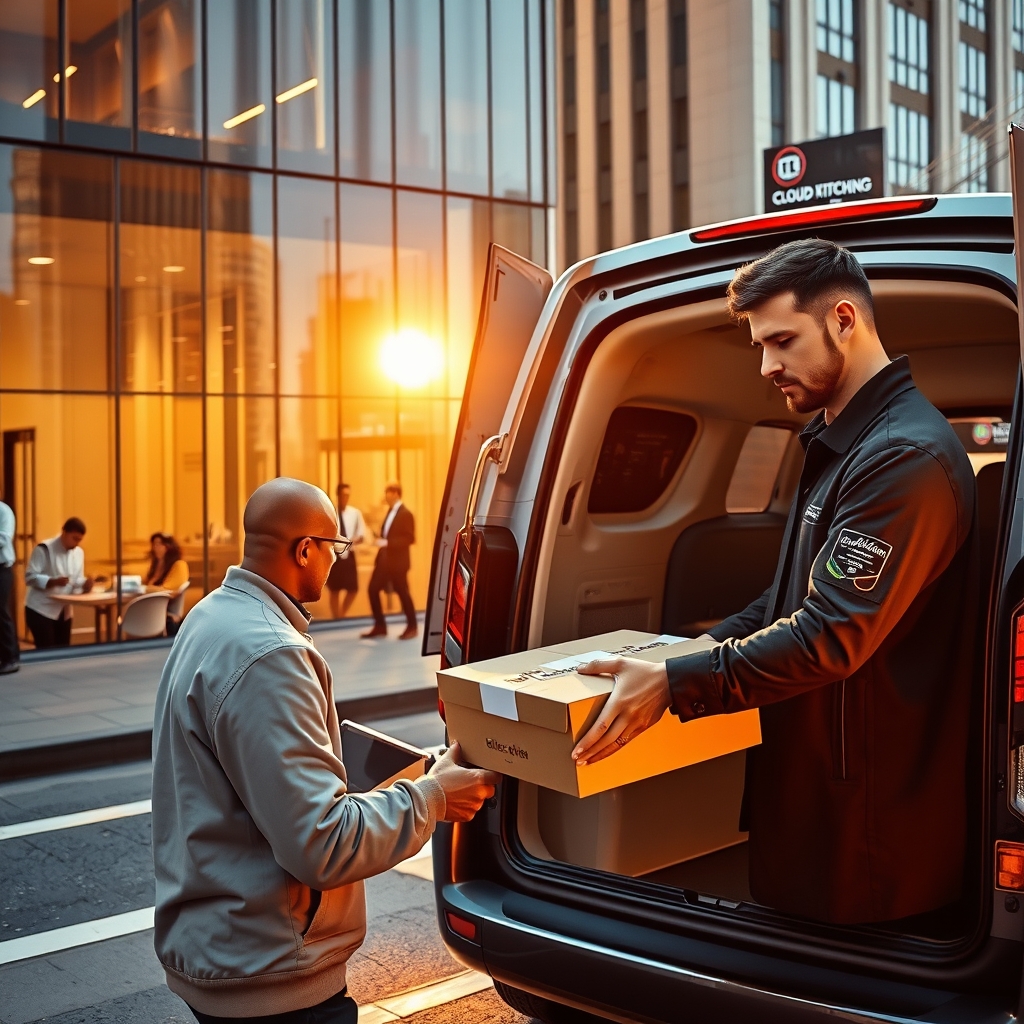
The last mile is where reputations are made or broken. It is the final, often unseen, handoff that determines whether a client will return. For event catering, this might mean the flawless setup of a wedding reception while the couple is occupied with photographs. For home catering, it could be the discreet placement of a meal on a kitchen counter without disturbing the household. These moments are not logistical afterthoughts; they are the culmination of a carefully designed system that prioritizes the client’s emotional state. A delayed delivery doesn’t just inconvenience; it disrupts. A missed dietary restriction doesn’t just disappoint; it erodes trust. The last mile is where logistics transcend functionality and become an extension of hospitality.
The Cloud Kitchen Paradox
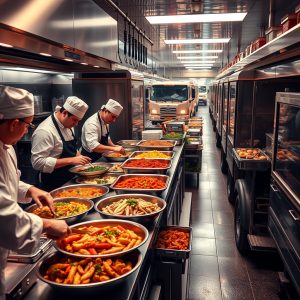
Cloud kitchens have emerged as the great equalizers in the catering industry, allowing small businesses to compete with established players by eliminating the overhead of physical storefronts. Yet, their rise has also intensified the pressure on logistics. Without a retail presence, the entire customer experience hinges on the efficiency of delivery and pickup services. This paradox forces cloud kitchens to innovate or perish. Some have turned to hyper-local hubs, positioning themselves within a five-mile radius of their target clientele to ensure speed. Others have adopted dynamic routing algorithms that adjust in real-time to traffic, weather, and order volume. The most successful, however, understand that technology is only as good as the human oversight behind it. A driver who can troubleshoot a missing item or a customer service representative who proactively communicates a delay can salvage an otherwise failed delivery. In the cloud kitchen model, logistics are not just a support function; they are the product.
The Retail Shop Dilemma
Traditional retail food businesses—bakeries, delis, and specialty grocers—face a unique challenge in the on-demand economy. Their physical locations, once an asset, now risk becoming liabilities if they cannot adapt to the expectations set by delivery-first competitors. The solution lies in hybrid models that blend the tactile experience of in-store shopping with the convenience of digital ordering. A bakery that offers same-day pickup for custom cakes, paired with a user-friendly online portal for order modifications, can compete with the speed of a cloud kitchen while retaining the charm of a local shop. The key is integration. Inventory systems must sync with delivery platforms, and staff must be cross-trained to handle both in-person and digital interactions. For these businesses, logistics are not an add-on; they are the bridge between tradition and innovation.
The Customer Service Mirage
Customer service excellence is often touted as the cornerstone of catering success, but in reality, it is a mirage without robust logistics. A friendly voice on the phone or a prompt email response means little if the food arrives cold or the order is incorrect. True service excellence is systemic, not superficial. It requires a feedback loop where every complaint, no matter how minor, is analyzed for patterns. Was the delay due to a routing error? Was the incorrect order a result of miscommunication between the kitchen and the delivery team? These questions demand answers, and those answers must translate into action. The most forward-thinking catering services are those that treat customer service as a diagnostic tool, using it to refine their logistics rather than merely placate clients. In this framework, every interaction is an opportunity to improve, and every improvement is a step toward unshakable loyalty.
The On-Demand Illusion
The promise of on-demand services is immediacy, but the reality is far more nuanced. Behind every express delivery is a network of decisions—some automated, some human—that determine whether the promise is kept. The challenge for catering businesses is balancing speed with sustainability. A service that guarantees 30-minute delivery may win the race in the short term, but if it comes at the cost of driver burnout or food safety compromises, it will lose the war. The most sustainable models are those that set realistic expectations and then exceed them. This might mean offering a 60-minute window with a 99% on-time rate rather than a 30-minute promise with a 70% success rate. Transparency is the new currency. Clients are willing to wait if they know exactly when to expect their order and if they can track its progress in real-time. The illusion of on-demand is not about speed; it’s about control.
The catering industry’s future belongs to those who recognize that logistics are not a means to an end but the end itself. The plate may be the first point of contact, but it is the invisible thread of delivery, pickup, and service that binds the client to the brand. In a world where convenience is king, the businesses that treat logistics as an art form—rather than a necessity—will not just survive; they will redefine what it means to serve.