The Convergence of Convenience: How Tech and Sustainability are Reshaping Commerce
The modern consumer landscape has undergone a seismic shift, fundamentally altering how we discover, purchase, and consume goods. Gone are the days when a simple brick-and-mortar presence or a basic e-commerce site was enough to capture market share. Today, businesses are navigating a complex ecosystem where convenience, sustainability, and digital integration dictate success. This evolution is driven by an insatiable demand for seamless interactions, pushing brands to innovate at an unprecedented pace and completely redefine the boundaries of traditional retail and dining.
At the heart of this transformation is the pursuit of a flawless omnichannel experience. Consumers no longer view online and offline shopping as distinct activities; rather, they expect a fluid journey that transitions effortlessly between the two. A customer might discover a brand through social commerce on their favorite social media platform, explore the product line via immersive virtual storefronts, and finally make a physical purchase at a localized event using a mobile point of sale system. This interconnected approach ensures that every touchpoint is optimized for engagement, allowing brands to build deeper, more meaningful relationships with their audience while integrating contactless payments to reduce friction at checkout.
Rethinking Logistics for Speed and Efficiency
To support these elevated expectations, the backend operations of retail and food service have been entirely reimagined. The traditional warehousing model is being rapidly supplemented, and in some cases replaced, by micro fulfillment centers. These compact, highly automated facilities are strategically located within dense urban areas, drastically reducing the physical distance between the product and the consumer. By leveraging sophisticated automated inventory management systems, these centers can predict demand surges with pinpoint accuracy, ensuring that stock levels are perfectly balanced and ready for immediate dispatch.
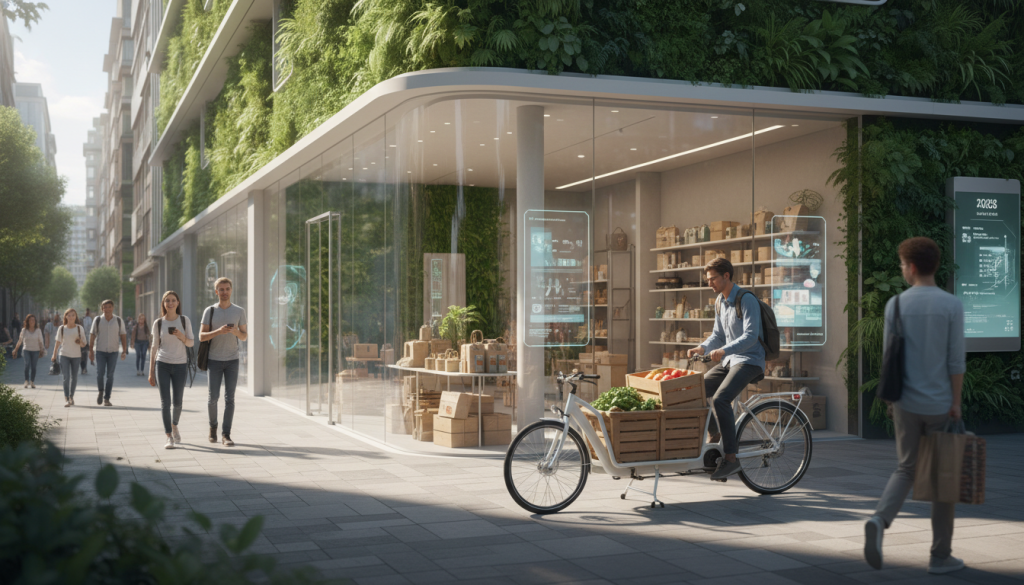
This proximity is the absolute linchpin of hyperlocal delivery, a trend that has transformed the concept of fast shipping. Whether it is a direct to consumer apparel brand delivering a last-minute outfit or a local grocer dispatching fresh produce, the ability to fulfill orders in a matter of hours is rapidly becoming the new industry standard. This localized approach not only delights the customer with instant gratification but also significantly reduces the carbon footprint associated with long-haul transportation, aligning operational efficiency with much-needed environmental responsibility.
The Culinary Renaissance: Agility and Authenticity
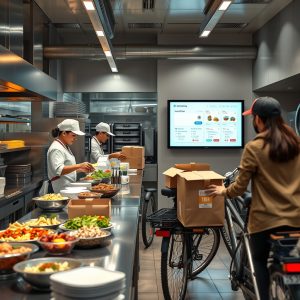
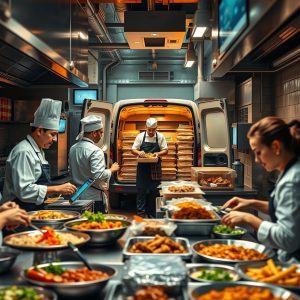
The food and beverage sector is experiencing its own renaissance, heavily influenced by these logistical advancements and shifting consumer preferences. The explosive growth of ghost kitchens has decoupled the dining experience from the physical restaurant space. These delivery-optimized culinary hubs allow chefs and restaurateurs to experiment with diverse menus and boutique catering concepts without the prohibitive overhead of a traditional dining room. Operating purely for delivery or takeout, ghost kitchens maximize kitchen efficiency and workforce optimization, focusing solely on the quality of the food and the speed of service.
Yet, even as the delivery mechanism becomes more digitized and automated, there is a profound, growing craving for authenticity and quality among consumers. This is where farm to table logistics and artisanal provisions take center stage. Consumers are increasingly invested in the origin of their food, demanding transparency, ethical practices, and sustainable sourcing. Advanced logistics networks now enable local farmers to bypass traditional wholesale markets, delivering fresh, seasonal ingredients directly to both ghost kitchens and consumers’ homes. This direct connection preserves the nutritional integrity of the food, supports local economies, and fosters a deeper appreciation for genuine culinary craftsmanship.
Cultivating Loyalty Through Purpose and Personalization
In an era of seemingly infinite choice, capturing a customer’s attention requires more than just a great product; it demands resonance and relevance. Personalized marketing has evolved from simple name-insertion in emails to sophisticated, data-driven strategies that anticipate consumer needs before they even arise. By analyzing purchasing behaviors and preferences, brands can curate bespoke offerings, transforming a generic shopping trip into a highly relevant experiential retail event. Pop up shops are frequently utilized as physical manifestations of these targeted campaigns, offering exclusive, limited-time experiences that generate organic buzz and foster a tight-knit sense of community.
Furthermore, modern consumers are voting with their wallets, heavily favoring brands that demonstrate a genuine commitment to the planet. The adoption of zero waste packaging is no longer just a niche environmental initiative; it is a core business strategy necessary for survival. Companies are actively engineering packaging solutions that are compostable, reusable, or entirely eliminated. When combined with innovative subscription revenue models, brands can create closed-loop systems where packaging is regularly returned, sanitized, and reused. This significantly minimizes environmental impact while simultaneously guaranteeing recurring revenue and building long-term brand loyalty.
As we look toward the horizon of modern commerce, the boundaries between the physical and digital worlds will continue to dissolve, creating an ecosystem where innovation serves both human desire and planetary health. The brands that will truly thrive are those that recognize commerce is no longer a mere transaction, but an ongoing dialogue built on trust, convenience, and shared values. By embracing technological advancements while remaining deeply rooted in sustainable and authentic practices, businesses can craft experiences that resonate on a profound level, ensuring their enduring place in the lives of tomorrow’s conscious consumers.