The Economics of Proximity: How Hyper-Local Catering Logistics Are Redefining Small Business Dominance
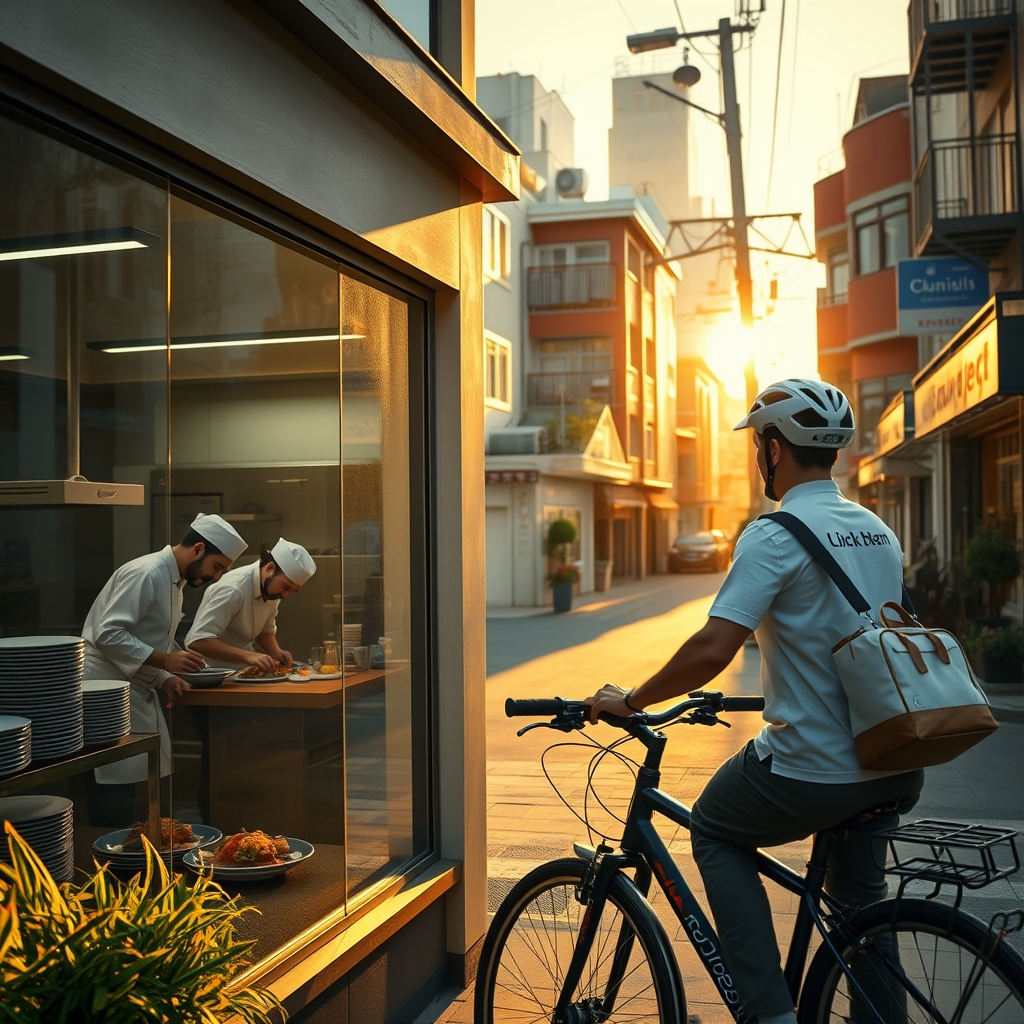
The modern catering landscape is no longer defined by sprawling kitchens or corporate giants with endless resources. Instead, it is being reshaped by an unassuming yet powerful force: hyper-local logistics. Small businesses, once relegated to the sidelines of the food service industry, are now leveraging proximity as their most potent weapon. The shift is not merely about delivering food faster; it is about redefining the economics of trust, convenience, and culinary authenticity in ways that corporate entities struggle to replicate.
The Proximity Paradox: Why Closer Is Smarter
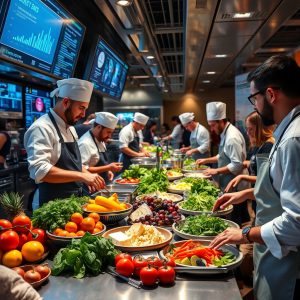
At the heart of hyper-local catering logistics lies a paradox: the closer a business is to its customers, the more it can afford to be selective. Unlike large-scale operations that rely on volume to offset high overheads, small catering services thrive on precision. A neighborhood cloud kitchen, for instance, does not need to serve hundreds of orders daily to remain profitable. Instead, it can focus on a curated menu, tailored to local tastes, and delivered with a level of care that mass-produced meals cannot match. This selectivity is not a limitation but a strategic advantage, allowing businesses to prioritize quality over quantity while maintaining razor-thin margins.
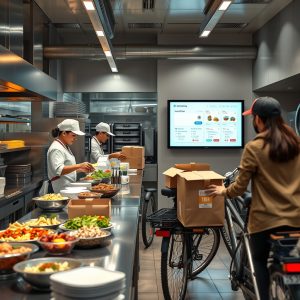
The economics of proximity also extend beyond the kitchen. Local catering services benefit from reduced delivery times, lower fuel costs, and the ability to respond dynamically to demand fluctuations. A corporate catering order placed at 9 AM for a 12 PM meeting is no longer a logistical nightmare but a routine operation. The result? A seamless experience that reinforces customer loyalty without the need for extravagant marketing budgets or gimmicks.
The Trust Economy: How Hyper-Local Logistics Build Unshakable Loyalty
Trust is the currency of the modern food service industry, and hyper-local logistics are its mint. When a customer orders from a nearby catering service, they are not just purchasing a meal; they are investing in a relationship. The ability to deliver consistently—whether through a pickup and delivery service or drop-off catering—creates a feedback loop of reliability. Each successful order reinforces the perception that the business understands its customers’ needs, often before they do.
This trust is further amplified by the transparency that hyper-local operations inherently possess. Customers can visit the kitchen, meet the chefs, or even customize their orders in real time. In an era where corporate catering services often feel impersonal and transactional, this level of engagement is revolutionary. It transforms a simple meal into an experience, one that customers are willing to pay a premium for and advocate for within their networks.
The Data Advantage: How Small Businesses Outmaneuver the Giants
Corporate catering services rely on vast datasets to predict trends and optimize operations, but hyper-local businesses possess something far more valuable: intimate, real-time insights. A small catering service operating within a five-mile radius does not need algorithms to understand its customers. It knows which dishes sell out on weekends, which corporate clients prefer gluten-free options, and which local events create sudden spikes in demand. This granular knowledge allows for agile decision-making, from adjusting menu offerings to optimizing delivery routes.
Moreover, hyper-local businesses can leverage this data to create hyper-personalized experiences. A meal delivery service that remembers a customer’s preference for extra spice or a corporate catering order that arrives with a handwritten note is not just delivering food—it is delivering a sense of being seen. In a market saturated with generic options, this level of personalization is a game-changer.
The Logistics of Authenticity: Why Customers Crave the Local Touch
Authenticity is the Achilles’ heel of large-scale catering operations. No matter how sophisticated their logistics, corporate services often struggle to replicate the genuine connection that hyper-local businesses effortlessly cultivate. A home catering service, for example, can offer dishes that reflect the cultural nuances of the neighborhood, something that a standardized menu simply cannot achieve. This authenticity extends to the logistics themselves—customers appreciate knowing that their order is being prepared and delivered by someone in their community, not a faceless warehouse miles away.
The rise of express delivery services has further amplified this trend. Customers no longer tolerate long wait times or generic offerings; they expect their food to arrive quickly and reflect their tastes. Hyper-local catering services meet this demand by combining the speed of on-demand logistics with the personal touch of a local business. The result is a service that feels both immediate and intimate, a rare combination in today’s fast-paced world.
The Future of Catering: A Network of Hyper-Local Hubs
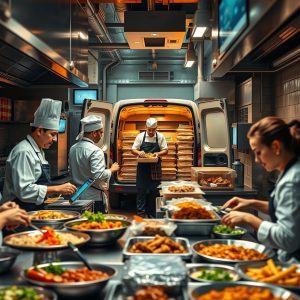
The next frontier for catering logistics is not centralization but decentralization. Imagine a network of hyper-local cloud kitchens, each serving a specific neighborhood or demographic, connected by a seamless logistics platform. Orders are routed to the nearest kitchen, ensuring minimal delivery times and maximum freshness. This model not only reduces costs but also creates a resilient supply chain, one that can adapt to disruptions with ease.
For small businesses, this future is already within reach. By embracing hyper-local logistics, they can compete with corporate giants on their own terms—speed, personalization, and authenticity. The key lies in recognizing that proximity is not just a logistical advantage but a strategic one, capable of redefining the very economics of the catering industry.
The catering services that thrive in the coming decade will not be those with the most resources but those with the sharpest understanding of their customers. Hyper-local logistics offer a blueprint for achieving this, transforming the last mile from a logistical challenge into a competitive masterstroke. The businesses that master this art will not just deliver meals—they will deliver experiences, trust, and a sense of belonging that no corporate entity can replicate. In an industry where convenience is king, the real power lies in being close enough to matter.