The Invisible Orchestration: How Catering Logistics Redefine the Economics of Customer Experience
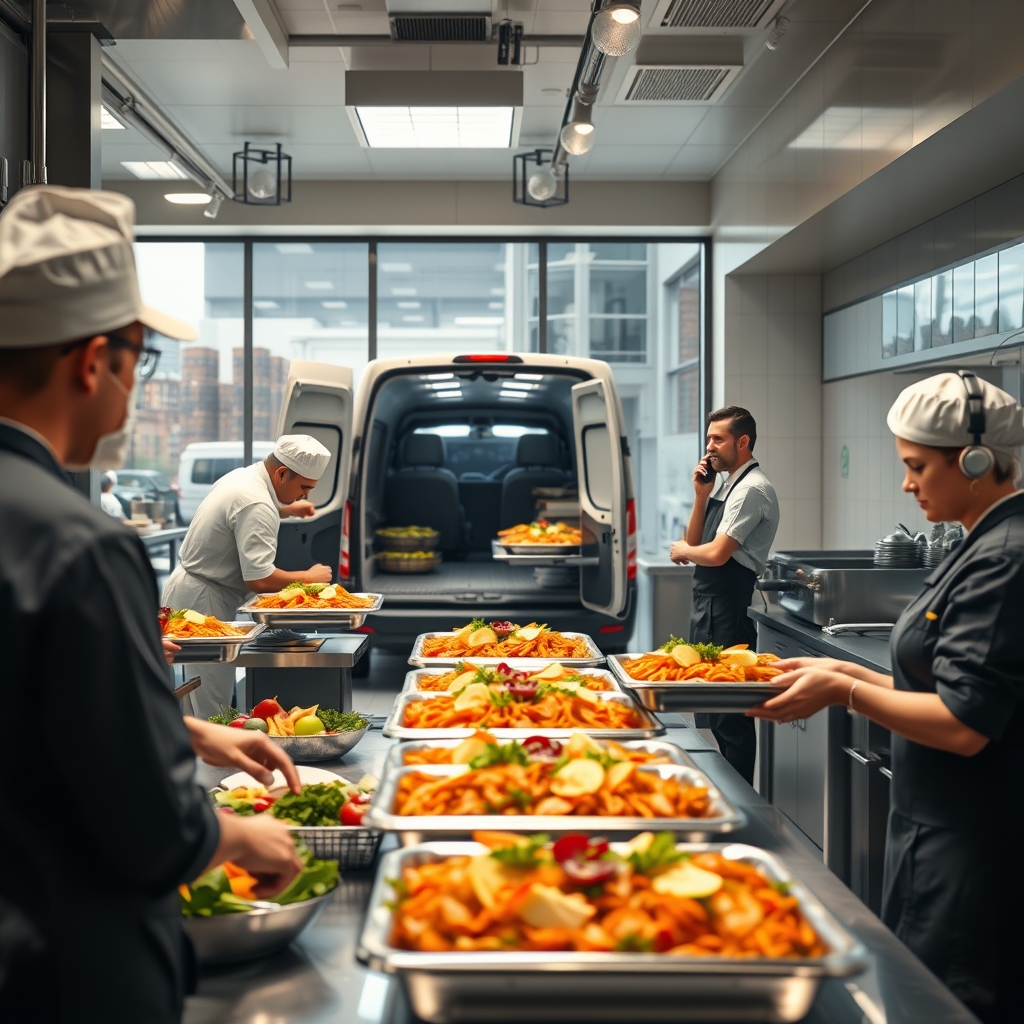
In the realm of catering services, the logistics behind the scenes are often overlooked, yet they play a pivotal role in shaping the customer experience. The seamless orchestration of these logistics can transform a mere meal delivery service into a culinary experience that leaves a lasting impression. This article delves into the intricate web of catering logistics and its profound impact on the economics of customer satisfaction.
The Backbone of Catering Services
Catering services are not just about cooking and serving food; they are a complex ecosystem that involves multiple stakeholders, each contributing to the final product. At the heart of this ecosystem lies the logistics, which can be broken down into several key components: inventory management, order processing, delivery, and customer service.
Inventory Management
Effective inventory management is the foundation of any successful catering service. It involves the procurement, storage, and distribution of ingredients and finished products. The efficiency of this process directly impacts the cost and quality of the food served. Advanced inventory management systems, coupled with real-time data analytics, can optimize stock levels, reduce waste, and ensure that ingredients are fresh and available when needed.
Order Processing
Order processing is another critical aspect of catering logistics. It involves the receipt, validation, and fulfillment of customer orders. A streamlined order processing system can significantly reduce lead times, minimize errors, and enhance customer satisfaction. The use of technology, such as online ordering platforms and customer relationship management (CRM) systems, can further automate and optimize this process.
Delivery
Delivery is the visible tip of the iceberg in catering logistics. It is the final stage where the customer experience is realized or ruined. The efficiency and reliability of the delivery service can make or break a catering business. Factors such as delivery time, packaging, and presentation all contribute to the overall customer experience. Moreover, the use of advanced delivery technologies, such as route optimization software and real-time tracking, can enhance the efficiency and transparency of the delivery process.
Customer Service
Customer service is the invisible thread that weaves through all aspects of catering logistics. It is the human touch that ensures a positive customer experience. From the initial inquiry to the post-delivery follow-up, customer service representatives play a crucial role in addressing customer concerns, resolving issues, and building long-term relationships. Excellent customer service can turn a one-time customer into a loyal patron, thereby enhancing the economics of catering services.
The Impact of Logistics on Customer Experience
The impact of catering logistics on the customer experience is multifaceted. It influences the perceived value of the service, the frequency of repeat business, and the overall brand loyalty. A well-orchestrated logistics system can ensure that the food reaches the customer in optimal condition, at the right time, and with a smile. Conversely, a poorly managed logistics system can lead to food wastage, delayed deliveries, and dissatisfied customers.
Perceived Value
The perceived value of a catering service is a complex construct that involves both tangible and intangible factors. Tangible factors include the quality of the food, the price, and the delivery time. Intangible factors, such as the reliability of the service, the friendliness of the staff, and the overall customer experience, also play a significant role. A well-managed logistics system can enhance the perceived value of a catering service by ensuring that the food is delivered on time, in good condition, and with a friendly touch.
Repeat Business
Repeat business is the lifeblood of any catering service. It is a testament to the satisfaction of the customer and the reliability of the service. A well-orchestrated logistics system can enhance the likelihood of repeat business by ensuring that the customer has a positive experience with every order. This can be achieved through consistent delivery times, high-quality food, and excellent customer service.
Brand Loyalty
Brand loyalty is the ultimate goal of any catering service. It is a measure of the customer’s commitment to the brand and their willingness to continue using the service. A well-managed logistics system can foster brand loyalty by ensuring that the customer has a positive experience with every interaction. This can be achieved through personalized customer service, exclusive offers, and consistent quality.
The economics of catering services are intricately intertwined with the logistics that underpin them. The seamless orchestration of these logistics can transform a mere meal delivery service into a culinary experience that leaves a lasting impression. By focusing on inventory management, order processing, delivery, and customer service, catering businesses can enhance the perceived value of their services, increase repeat business, and foster brand loyalty. In the end, the true measure of a catering service’s success lies not just in the quality of the food, but in the seamless orchestration of the logistics that bring it to the customer’s doorstep.