The Logistics of Culinary Trust: How On-Demand Catering Services Are Redefining the Economics of Reliability
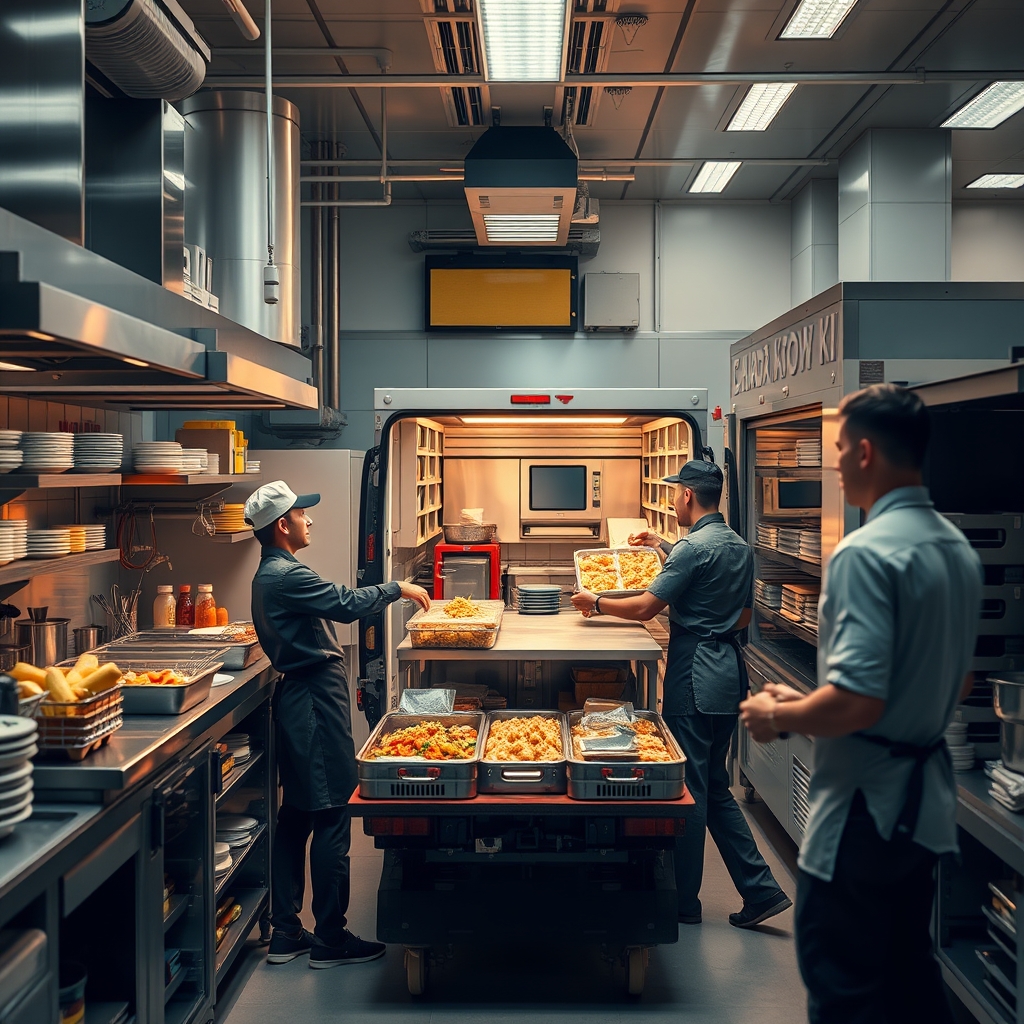
In the fast-paced world of modern catering services, the logistics behind the scenes are often overlooked, yet they play a pivotal role in shaping the customer experience. The on-demand catering industry, in particular, has seen a significant transformation in recent years, driven by advancements in technology and a growing emphasis on reliability and efficiency. This article delves into the intricate web of logistics that underpins on-demand catering services and explores how they are redefining the economics of reliability.
The Evolution of On-Demand Catering
The journey of on-demand catering services began with the advent of the internet and the rise of food delivery platforms. These services promise convenience, with customers able to order meals or catering services with just a few clicks. However, the true test of these services lies in their ability to deliver on their promises reliably.
The Role of Logistics
Logistics, often referred to as the backbone of any supply chain, is equally critical in the on-demand catering industry. It encompasses a wide range of activities, from inventory management and order processing to transportation and delivery. The efficiency and reliability of these logistics processes directly impact the customer experience and, consequently, the economics of the catering business.
Inventory Management
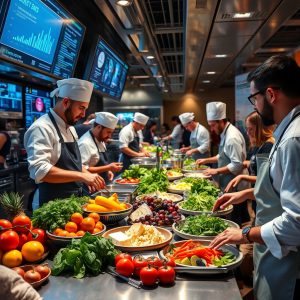
Effective inventory management is the cornerstone of reliable catering services. It involves forecasting demand, procuring ingredients, and managing storage. On-demand catering services must have a robust inventory management system to ensure that they can meet customer orders promptly. This requires real-time data tracking, automated reordering, and efficient storage solutions.
Order Processing
Order processing is another critical aspect of catering logistics. It involves receiving and validating customer orders, assigning them to the appropriate kitchen, and coordinating with the delivery team. The speed and accuracy of order processing can significantly impact the delivery time and, consequently, customer satisfaction.
Transportation and Delivery
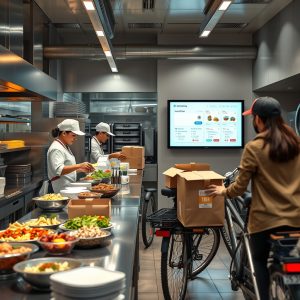
The transportation and delivery phase is perhaps the most visible part of catering logistics. It involves selecting the right mode of transportation, coordinating with delivery personnel, and ensuring timely delivery. On-demand catering services must have a reliable and efficient transportation network to meet their delivery promises.
The Economics of Reliability
The economics of reliability in the on-demand catering industry are complex and multifaceted. They involve a balance between cost, quality, and customer satisfaction. On-demand catering services must invest in reliable logistics to ensure that they can meet customer expectations consistently.
Cost Considerations
Cost is a significant factor in the economics of reliability. On-demand catering services must balance the cost of reliable logistics with the need to offer competitive pricing. This often involves investing in technology, such as automated inventory management systems and route optimization software, to improve efficiency and reduce costs.
Quality Considerations
Quality is another crucial aspect of the economics of reliability. On-demand catering services must ensure that the food they deliver meets the high standards expected by customers. This involves investing in high-quality ingredients, trained chefs, and reliable logistics to maintain food safety and quality.
Customer Satisfaction
Customer satisfaction is the ultimate goal of any catering service. Reliable logistics are a key driver of customer satisfaction, as they ensure that customers receive their orders promptly and in good condition. On-demand catering services that can consistently deliver on their promises are likely to build a loyal customer base and achieve long-term success.
The logistics of on-demand catering services are a complex and multifaceted aspect of the industry. They play a pivotal role in shaping the customer experience and the economics of reliability. On-demand catering services that can master these logistics will be well-positioned to thrive in the competitive catering landscape. As the industry continues to evolve, the role of logistics will only become more critical, driving the need for continuous innovation and improvement.