The Magic of Co-Creation: How Client Collaboration and Modern Food Staging Are Redefining Event Dining
In the ever-evolving world of event catering, the line between host and guest is blurring in the most delightful way. Today’s most memorable dining experiences are no longer dictated solely by chefs or planners but are instead shaped through a dynamic collaboration between clients and culinary experts. This shift toward client co-created menus and modern food staging is transforming events into deeply personal, immersive journeys that resonate long after the last bite.
The Rise of Collaborative Culinary Storytelling
Gone are the days when event menus were static, one-size-fits-all offerings. Modern catering thrives on the idea that every event should tell a story—one that reflects the host’s vision, the occasion’s theme, and the guests’ preferences. This is where client co-created menus come into play. By involving clients in the menu design process, caterers can craft experiences that feel authentic and tailored, rather than generic.
Imagine a couple planning their wedding reception. Instead of selecting from a pre-set list of dishes, they work closely with a chef to weave their love story into the menu. Perhaps they incorporate ingredients from their first date or flavors from a memorable trip abroad. This level of personalization doesn’t just make the meal special; it turns it into a narrative that guests can taste and feel. The result? A dining experience that feels intimate, meaningful, and utterly unique.
Modern Food Staging: Where Aesthetics Meet Emotion
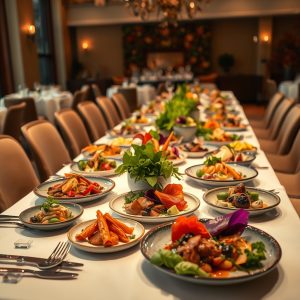
While the flavors and ingredients of a dish are undeniably important, the way food is presented can elevate an event from ordinary to extraordinary. Modern food staging is an art form that combines creativity, psychology, and logistics to create visually stunning and emotionally engaging displays. It’s not just about making food look pretty—it’s about crafting an experience that engages all the senses.
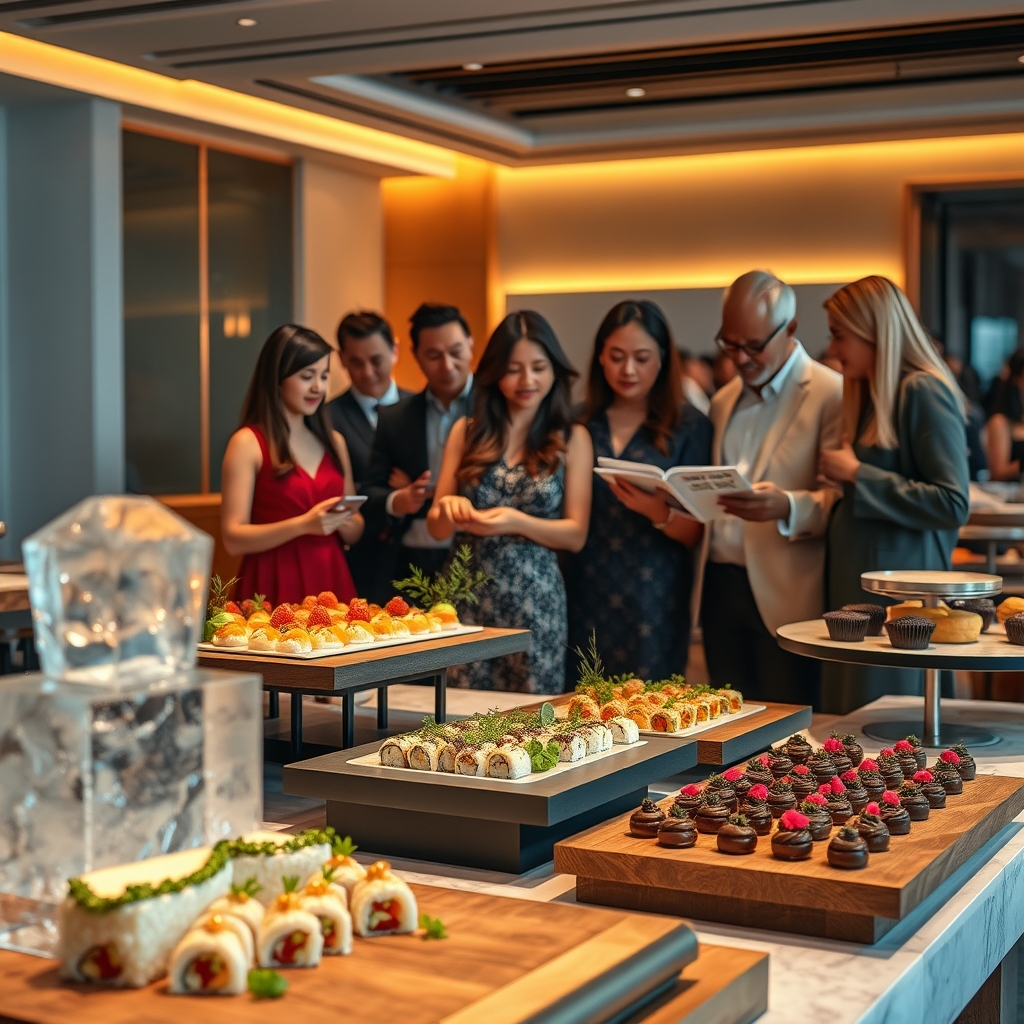
Consider an interactive dessert station where guests can customize their own chocolate creations, or a seafood display that mimics a coastal marketplace, complete with ice sculptures and fresh herbs. These setups do more than just serve food; they create moments of wonder and interaction. The strategic use of lighting, color, and texture can evoke specific moods—whether it’s the warmth of a rustic farmhouse dinner or the sleek sophistication of a corporate gala. When done right, food staging becomes an integral part of the event’s atmosphere, leaving guests with memories as vivid as the flavors they enjoyed.
The Role of Technology in Co-Creation
Technology has become a powerful enabler in the co-creation process, making it easier than ever for clients to collaborate with caterers. Tech-enabled order management systems allow hosts to provide real-time feedback on menu options, dietary restrictions, and presentation ideas. Virtual tastings, 3D menu previews, and digital mood boards help bridge the gap between imagination and execution, ensuring that every detail aligns with the client’s vision.
For example, a corporate event planner might use a digital platform to experiment with different food station layouts, adjusting colors, heights, and serving styles until the design perfectly matches the event’s theme. This level of customization was once a luxury reserved for high-end events, but today, it’s becoming the standard. Technology doesn’t just streamline the process—it empowers clients to take an active role in shaping their event’s culinary identity.
Sustainability and Ethics in Co-Created Menus
As clients become more involved in menu creation, there’s a growing emphasis on sustainable catering practices and ethical sourcing strategies. Today’s hosts are not just concerned with taste and presentation; they want to know where their food comes from and how it impacts the planet. This shift has led to a rise in farm-to-table sourcing, where menus are built around locally grown, seasonal ingredients that support nearby farmers and reduce carbon footprints.
Caterers are responding by offering transparency in their supply chains, allowing clients to choose ingredients that align with their values. Whether it’s opting for organic produce, sustainably sourced seafood, or plant-based alternatives, these choices are becoming a core part of the co-creation process. The result is a menu that not only delights the palate but also aligns with the host’s commitment to responsible dining.
The Future of Event Dining: A Symphony of Collaboration
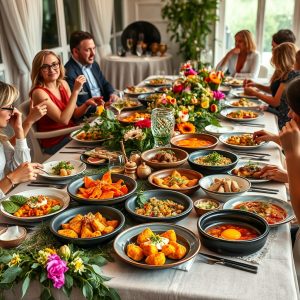
The most successful events are those that feel like a natural extension of the host’s personality and values. By embracing client co-created menus and modern food staging, caterers are no longer just service providers—they’re partners in crafting unforgettable experiences. This collaborative approach ensures that every dish, every presentation, and every detail is infused with intention, making the event not just a meal, but a moment in time that guests will cherish.
As the world of event dining continues to evolve, one thing is clear: the magic happens when creativity, technology, and collaboration come together. The future of catering isn’t about following trends—it’s about creating them, one personalized, beautifully staged dish at a time. The table is set, and the possibilities are endless.