The On-Demand Alchemy: How Catering Services Are Transforming Logistics into Culinary Gold
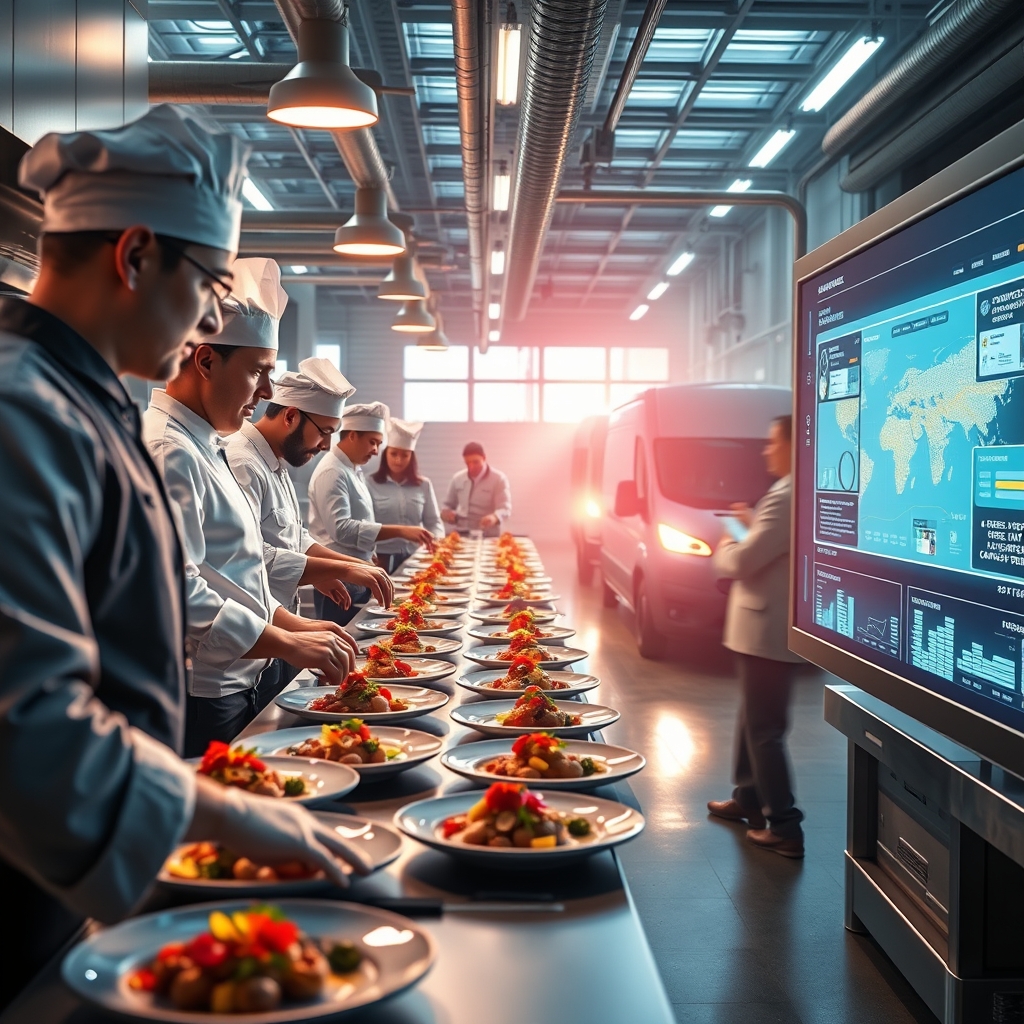
The modern catering industry is no longer just about food—it’s about the seamless fusion of culinary artistry and logistical precision. As consumer expectations evolve, the demand for instant gratification has reshaped how catering services operate, forcing businesses to rethink their strategies from the kitchen to the customer’s doorstep. The rise of on-demand services has turned what was once a niche convenience into an industry standard, where speed, reliability, and quality are non-negotiable.
The Logistics of Urgency: Why Speed Defines Success
In an era where a delayed meal can mean a lost customer, catering services are under relentless pressure to deliver not just food, but an experience—one that begins the moment an order is placed and ends only when the last bite is savored. The challenge lies in balancing speed with consistency. A corporate lunch delivered late to a boardroom meeting or a wedding appetizer arriving cold can tarnish a brand’s reputation irreparably. This is where the alchemy of logistics comes into play: transforming perishable ingredients into timely, flawless presentations through meticulous planning and execution.
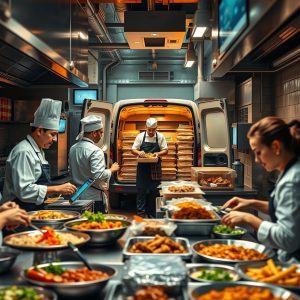
Express delivery services have become the backbone of this transformation, enabling caterers to promise—and deliver—meals within tight windows. The key is not just in the transportation but in the orchestration: route optimization, real-time tracking, and contingency planning for traffic or weather disruptions. For businesses operating in urban environments, where congestion is a constant variable, the ability to adapt on the fly is what separates the exceptional from the mediocre.
The Cloud Kitchen Advantage: Scalability Without Sacrifice
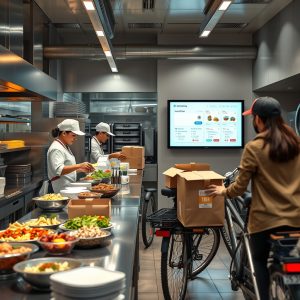
The emergence of cloud kitchens has further disrupted the traditional catering model, allowing businesses to scale without the overhead of physical dining spaces. These virtual kitchens are designed for efficiency, with workflows optimized for high-volume production and rapid dispatch. By centralizing operations, caterers can fulfill orders for multiple events simultaneously, reducing costs while maintaining quality. However, this model also introduces new complexities, particularly in last-mile delivery, where the risk of errors multiplies with each additional order.
For cloud kitchens, the challenge is twofold: ensuring that meals arrive in pristine condition and that the customer experience remains personalized despite the lack of face-to-face interaction. This is where technology steps in, with AI-driven order management systems and automated communication tools that keep clients informed at every stage. The goal is to create the illusion of bespoke service, even when the kitchen is churning out hundreds of meals an hour.
The Customer Service Paradox: Personalization at Scale
In the catering industry, customer service excellence is not just about resolving complaints—it’s about anticipating needs before they arise. The most successful businesses are those that treat logistics as an extension of hospitality, where every touchpoint, from the initial order to the final delivery, is an opportunity to reinforce trust. This requires a deep understanding of client preferences, dietary restrictions, and even the unspoken expectations that come with high-stakes events like weddings or corporate galas.
Retail shop services and local delivery networks have also raised the bar, offering same-day or even one-hour turnarounds for smaller orders. This level of immediacy has conditioned consumers to expect nothing less from catering services, forcing businesses to rethink their operational models. The solution? A hybrid approach that combines the efficiency of cloud kitchens with the personal touch of traditional catering. For example, some companies now offer dedicated account managers for corporate clients, ensuring that even large, recurring orders feel tailored to the client’s evolving needs.
The Last Mile: Where Reputation Is Won or Lost
The final leg of the delivery journey is where the magic—or the madness—happens. A meal that leaves the kitchen in perfect condition can still arrive compromised if the last mile isn’t executed flawlessly. This is why catering services are investing heavily in specialized packaging, temperature-controlled transport, and even white-glove delivery options for premium clients. The stakes are higher than ever: a single viral complaint about a soggy sandwich or a late arrival can undo years of brand-building.
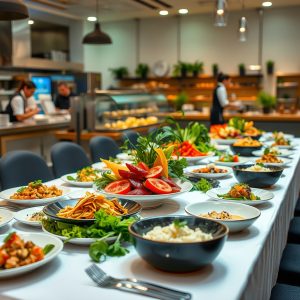
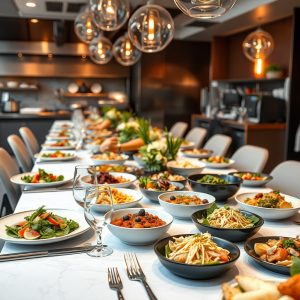
For drop-off catering services, the challenge is even more nuanced. Unlike traditional delivery, where the interaction ends at the doorstep, drop-off catering often requires setup, presentation, and sometimes even on-site service. This demands a level of coordination that goes beyond logistics—it requires an understanding of event flow, guest dynamics, and even the aesthetic preferences of the host. The best caterers treat each drop-off as a performance, where every detail, from the arrangement of platters to the timing of the delivery, is choreographed to perfection.
The Future of Catering: Beyond the Plate
The next frontier for catering services lies in predictive logistics—using data to anticipate demand before it materializes. Imagine a system that adjusts production based on real-time weather forecasts, local events, or even social media trends. For instance, a sudden heatwave could trigger an uptick in orders for chilled desserts, while a major sports event might increase demand for hearty, shareable platters. By leveraging AI and machine learning, caterers can stay ahead of the curve, reducing waste and maximizing efficiency.
Yet, for all the technological advancements, the human element remains irreplaceable. The most successful catering businesses are those that recognize that logistics, no matter how sophisticated, are merely the means to an end. The true measure of success is not just in delivering food on time, but in creating moments that linger in the memory long after the last plate is cleared. Whether it’s a corporate lunch that fuels a productive meeting or a wedding feast that becomes the talk of the town, the best caterers understand that their role is not just to feed, but to elevate the experience.
The catering industry is at a crossroads, where the pressure to innovate is matched only by the need to maintain the artistry that defines great food. Those who can master the balance between speed and quality, efficiency and personalization, will not just survive but thrive in this new era of on-demand culinary logistics. The question is no longer whether catering services can keep up with the pace of change, but how they will redefine it.