The Last Mile Liturgy: Decoding the Hidden Economics of Catering Delivery Services
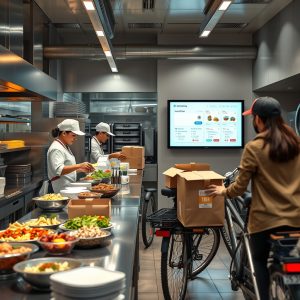
The modern catering industry is no longer just about food—it’s about the invisible infrastructure that delivers it. Behind every seamless corporate lunch, every flawless event spread, and every late-night craving fulfilled lies a complex web of logistics, economics, and customer psychology. The real battleground isn’t the kitchen; it’s the last mile, where speed, cost, and perception collide in a high-stakes dance of efficiency and expectation.
The Illusion of Free Delivery
Consumers have been conditioned to expect delivery as a default, not a luxury. The rise of on-demand services has created an illusion of effortless convenience, where the true cost of logistics is obscured by flat fees, subscription models, or even “free” delivery thresholds. But make no mistake: someone is paying. The question is who—and how transparently.
Catering businesses face a paradox: charge too little for delivery, and margins evaporate; charge too much, and customers balk. The solution? A delicate balance of dynamic pricing, route optimization, and psychological pricing tactics. Some companies absorb delivery costs into menu prices, while others unbundle fees to create the perception of control. The most successful players, however, don’t just hide costs—they reframe them as value. A $10 delivery fee isn’t an expense; it’s the price of time saved, stress avoided, and convenience secured.
The Hidden Costs of the Last Mile
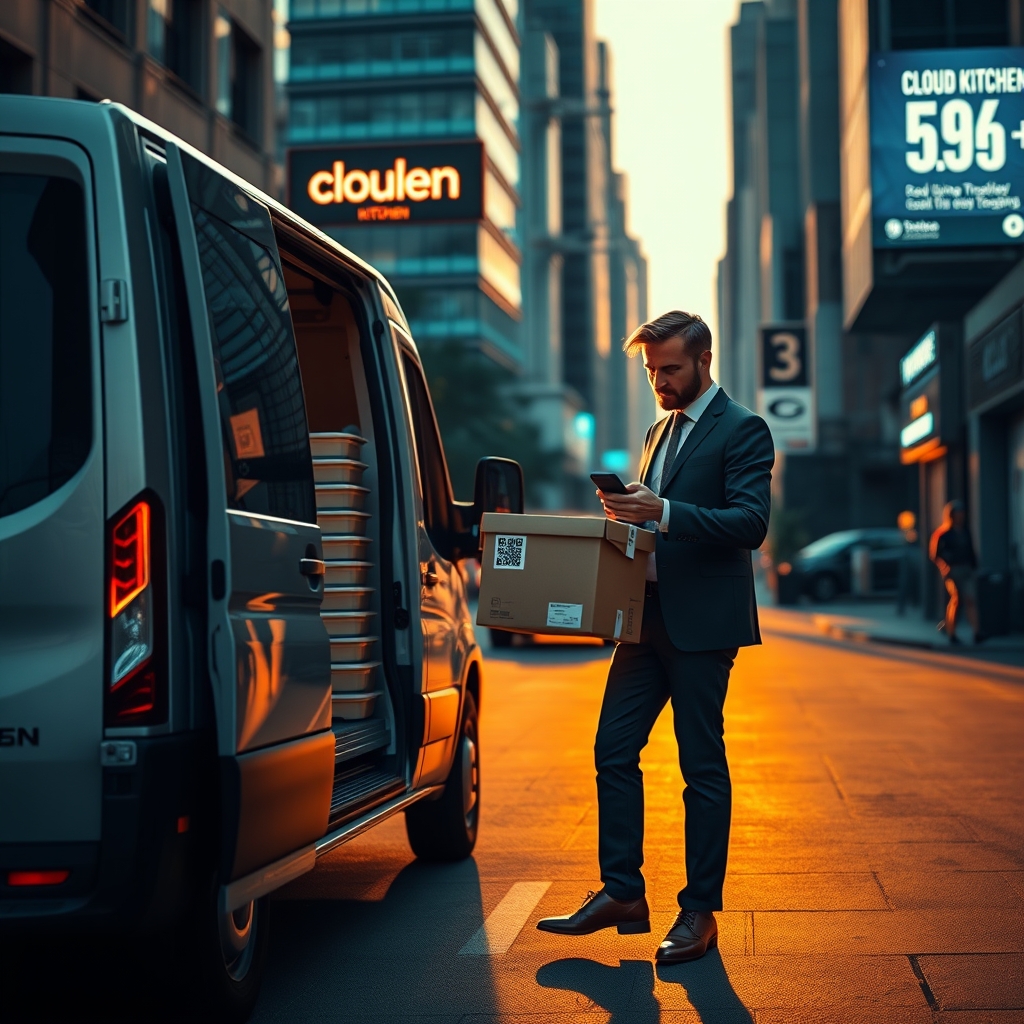
The last mile isn’t just the most expensive part of delivery—it’s the most unpredictable. Traffic, weather, parking, and human error all conspire to turn a simple drop-off into a logistical nightmare. For catering services, the stakes are even higher. A delayed corporate lunch isn’t just an inconvenience; it’s a breach of trust. A cold buffet at a wedding isn’t just a quality issue; it’s a memory tarnished.
To mitigate these risks, catering businesses are investing in micro-fulfillment centers, real-time tracking, and AI-driven route optimization. But technology alone isn’t enough. The human element—drivers who double as brand ambassadors, customer service reps who anticipate problems before they arise—remains irreplaceable. The best delivery services don’t just move food; they manage perceptions, turning potential failures into opportunities for loyalty-building.
The Rise of the Hybrid Model
Traditional catering relied on a binary choice: pickup or full-service delivery. Today, the lines are blurring. Drop-off catering—where food is delivered but not served—has emerged as a cost-effective middle ground. It reduces labor costs for the caterer while still offering convenience for the customer. For corporate events, it’s a win-win: companies get restaurant-quality food without the premium of on-site staff, and caterers avoid the logistical headaches of full-service setups.
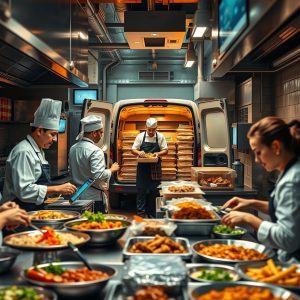
Cloud kitchens have further disrupted the model. By centralizing production and outsourcing delivery to third-party logistics providers, catering businesses can scale rapidly without the overhead of physical storefronts. But this approach comes with trade-offs. Brand control weakens when delivery is outsourced, and customer service becomes fragmented. The most successful cloud kitchen operators treat logistics as a core competency, not an afterthought, integrating delivery partners into their operations rather than treating them as interchangeable vendors.
The Customer Isn’t Always Right—But They’re Always Watching
In the age of social media, every delivery is a potential viral moment. A late order, a missing utensil, or a lukewarm entrée can spiral into a PR crisis. Catering services must now operate with the awareness that every touchpoint—from the online ordering interface to the driver’s demeanor—is under scrutiny.
This hyper-visibility has led to a shift in how catering businesses approach customer service. Reactive problem-solving is no longer enough; proactive anticipation is the new standard. Predictive analytics can flag high-risk orders before they go wrong. Real-time communication keeps customers informed, reducing anxiety and complaints. And when things do go wrong, rapid resolution—whether through refunds, replacements, or sincere apologies—can turn a detractor into a loyal advocate.
The Future of Catering Logistics: Beyond the Last Mile
The next frontier in catering delivery isn’t just about getting food from point A to point B faster. It’s about reimagining the entire supply chain. Autonomous delivery vehicles, drone drop-offs, and even robotic last-mile solutions are on the horizon. But technology alone won’t solve the fundamental challenge: balancing cost, speed, and quality in a way that feels effortless to the customer.
The most successful catering businesses will be those that treat logistics not as a cost center, but as a competitive advantage. They’ll invest in systems that reduce friction, not just for the customer, but for their own operations. They’ll train staff to see every delivery as a chance to reinforce brand values. And they’ll recognize that the last mile isn’t just a logistical hurdle—it’s the moment where customer trust is either won or lost.
The catering industry’s future belongs to those who understand that delivery isn’t just about moving food—it’s about moving emotions. Every meal delivered on time, every order handled with care, every problem resolved with grace is a deposit in the bank of customer loyalty. In a world where convenience is king, the companies that master the economics of the last mile won’t just survive—they’ll thrive, one seamless delivery at a time.