The Logistics of Luxury: How High-End Catering Services Are Redefining On-Demand Excellence
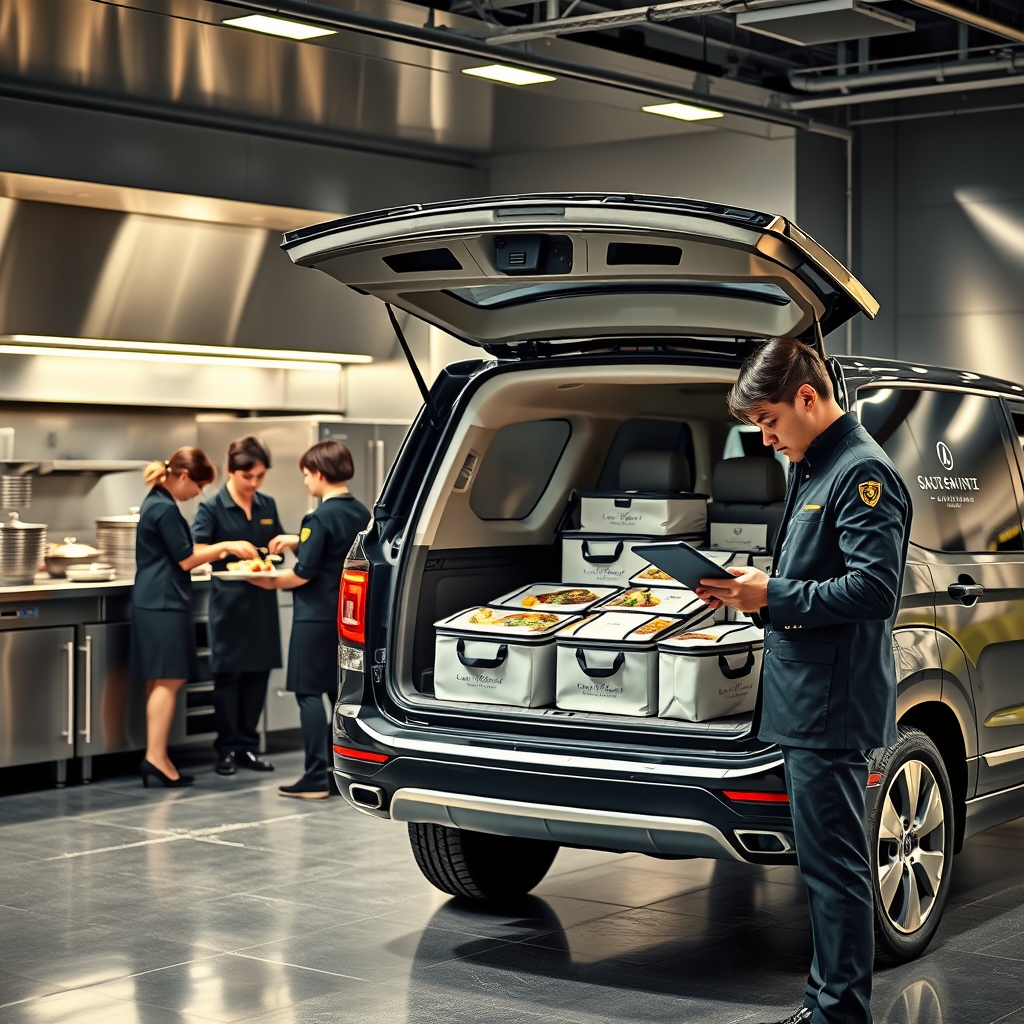
The modern catering industry is no longer just about food—it is about the seamless fusion of culinary artistry and logistical precision. High-end catering services, particularly those operating in the corporate and event spaces, have transformed into sophisticated operations where timing, presentation, and reliability are as critical as the quality of the ingredients. The rise of on-demand expectations has forced these businesses to rethink their models, blending the efficiency of cloud kitchens with the bespoke touch of traditional hospitality. The result is a new paradigm where luxury is not just in the taste but in the experience of frictionless delivery.
The Cloud Kitchen Conundrum: Efficiency Meets Exclusivity
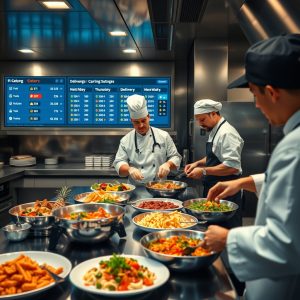
Cloud kitchens have disrupted the food service industry by stripping away the overhead of physical dining spaces and focusing solely on production and delivery. For high-end catering services, however, this model presents a paradox. While cloud kitchens excel in speed and scalability, they often lack the personalization that defines luxury catering. The challenge lies in leveraging the efficiency of a cloud kitchen while maintaining the exclusivity and attention to detail that clients expect. Some businesses have found a middle ground by operating hybrid models—centralized production facilities that feed into smaller, localized hubs where final touches are added before delivery. This approach ensures consistency without sacrificing the bespoke elements that set high-end catering apart.
The Last Mile as a Luxury Experience
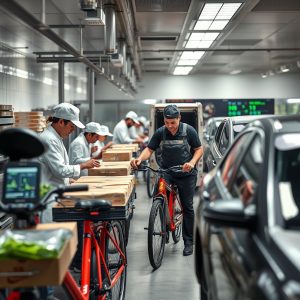
The last mile of delivery has long been the Achilles’ heel of logistics, but for luxury catering services, it is an opportunity to reinforce brand prestige. Unlike standard meal delivery services, where speed is the primary metric, high-end catering must balance urgency with an almost ceremonial presentation. Temperature-controlled packaging, branded delivery vehicles, and white-glove service are no longer optional—they are essential components of the customer experience. Some companies have even introduced real-time tracking with personalized updates, turning the act of delivery into an extension of the event itself. The goal is to make the recipient feel as though the food has been hand-delivered by a private chef, even if it originated from a high-tech cloud kitchen miles away.
The Corporate Catering Revolution: Beyond the Boardroom Buffet
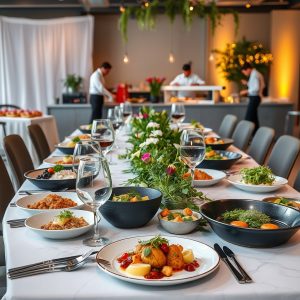
Corporate catering has evolved far beyond the stale sandwich platters and lukewarm coffee of the past. Today’s businesses demand not just food, but an experience that aligns with their brand identity. High-end catering services have responded by offering curated menus, interactive food stations, and even chef-led presentations during meetings and events. The logistics behind these services are complex, requiring coordination between kitchen staff, delivery teams, and on-site personnel to ensure flawless execution. The rise of drop-off catering has further streamlined this process, allowing companies to receive gourmet meals without the need for on-site staff. This shift has also opened doors for smaller catering businesses to compete in the corporate space, as the barriers to entry—such as the need for a physical dining location—have been removed.
The Role of Micro-Logistics in Customer Retention
In an industry where repeat business is the lifeblood of success, micro-logistics—the small but critical details of delivery—play a pivotal role in customer retention. For high-end catering services, this means anticipating needs before they arise. For example, a corporate client hosting a last-minute meeting may require an express delivery service that can accommodate dietary restrictions with minimal notice. Similarly, an event planner might need a pickup and delivery service that can handle multiple drop-off locations without compromising food quality. The ability to meet these demands hinges on a robust logistics infrastructure, one that combines real-time data analytics with human intuition. Companies that master this balance are not just delivering food—they are delivering peace of mind.
The Future of High-End Catering: Personalization at Scale
The next frontier for luxury catering services lies in personalization at scale. Advances in AI and machine learning are enabling businesses to tailor menus, delivery times, and even presentation styles to individual clients without sacrificing efficiency. For instance, an AI-driven system can analyze past orders to predict a client’s preferences, suggesting menu adjustments or delivery windows that align with their schedule. Meanwhile, automation in the kitchen allows for greater customization without increasing labor costs. The result is a service that feels deeply personal, even when operating at the scale of a cloud kitchen. This level of personalization is not just a competitive advantage—it is becoming a baseline expectation for clients who demand nothing less than perfection.
The high-end catering industry is at a crossroads, where the demands of on-demand convenience intersect with the uncompromising standards of luxury. The businesses that thrive will be those that recognize logistics not as a back-end necessity, but as a front-line differentiator. The future belongs to those who can deliver not just food, but an experience—one where every detail, from the packaging to the presentation, reinforces the promise of excellence. In this new era, the last mile is no longer a logistical hurdle; it is the final act in a performance designed to delight, impress, and retain the most discerning of clients.