The Last Mile Liturgy: How Catering Services Are Weaponizing Hyper-Personalization to Command Unshakable Customer Loyalty
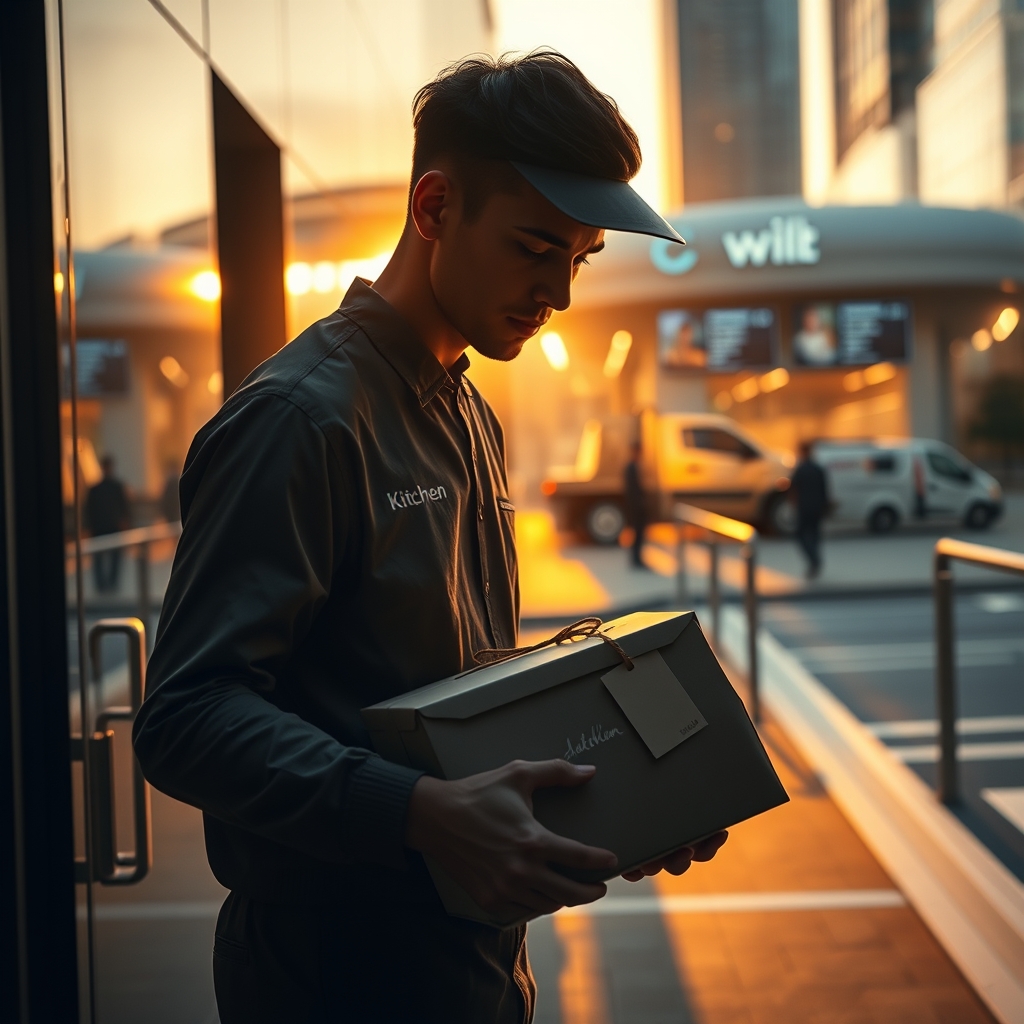
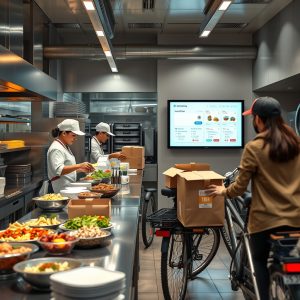
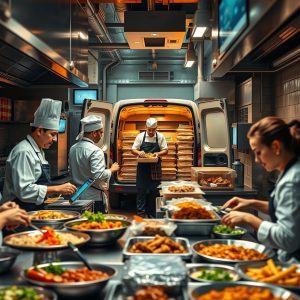
The modern catering industry is no longer defined by the mere act of delivering food—it is a high-stakes theater of precision, where the final handoff is not just a transaction but a ritual of trust. The last mile, once a logistical afterthought, has become the battleground where brands either forge unbreakable loyalty or fade into the noise of commoditized convenience. What separates the victors from the vanquished is not just speed or efficiency, but the ability to weaponize hyper-personalization as a tool of psychological dominance.
The Illusion of Choice: How Catering Services Manufacture Desire
In an era where consumers are bombarded with endless options, the most successful catering services have mastered the art of curation—not by overwhelming customers with choices, but by anticipating their unspoken preferences. Corporate catering platforms, for instance, no longer present clients with an exhaustive menu; instead, they deploy algorithmic personalization, tailoring recommendations based on past orders, dietary restrictions, and even the tone of previous interactions. The result? A seamless experience that feels bespoke, even when it’s mass-produced.
This is not mere convenience—it’s a form of psychological manipulation. By reducing decision fatigue, catering services create an illusion of effortless control, fostering a sense of dependency. The customer, lulled into a state of curated comfort, begins to associate the brand with an almost preternatural understanding of their needs. The last mile, in this context, is not just about delivery; it’s about delivering the right experience, one that feels so precisely calibrated that it borders on the uncanny.
The Alchemy of Anticipation: Turning Logistical Constraints into Competitive Advantages
Hyper-personalization extends beyond the menu. The most innovative catering delivery services are leveraging real-time data to transform logistical constraints into opportunities for engagement. Consider the rise of dynamic delivery windows—where customers are given not just a time slot, but a predictive one, adjusted in real-time based on traffic, weather, and even the customer’s historical punctuality. This isn’t just efficiency; it’s a form of psychological conditioning, training the customer to trust the brand’s omniscience.
Similarly, cloud kitchens and express delivery services are using predictive analytics to pre-position inventory based on local demand spikes. A corporate lunch rush in a business district? The system knows before the customer does. A last-minute home catering request for a dinner party? The kitchen is already prepping the most frequently ordered dishes for that demographic. The result is a frictionless experience that feels almost telepathic, reinforcing the customer’s belief that the brand is not just a service provider, but a partner in their culinary life.
The Dark Side of Personalization: When Convenience Becomes Control
Yet, this level of hyper-personalization comes with a paradox: the more a brand anticipates a customer’s needs, the more it risks eroding the very autonomy that makes choice meaningful. When a catering service remembers a customer’s gluten intolerance, their favorite spice level, and even their preferred delivery entrance, it creates a sense of intimacy—but it also creates a power imbalance. The customer, now accustomed to this level of service, becomes less tolerant of deviation, less willing to adapt. The brand, in turn, must maintain an ever-escalating standard of perfection, lest the illusion shatter.
This dynamic is particularly evident in high-end corporate catering, where clients expect not just food, but an experience tailored to their brand’s identity. A misstep—a forgotten dietary restriction, a delayed delivery—is not just a logistical failure but a breach of trust. The last mile, in these cases, is not just the final leg of delivery; it’s the final test of whether the brand can live up to the psychological contract it has forged with the customer.
The Future of Catering: From Delivery to Devotion
The next frontier of catering logistics is not about faster delivery or cheaper prices—it’s about deeper integration into the customer’s life. The most forward-thinking services are already experimenting with subscription-based models, where customers receive curated meal plans based on their lifestyle, health goals, or even mood. Others are leveraging IoT devices to automate reorders, turning catering into a seamless, background service that requires no active engagement from the customer.
But the real revolution lies in the unspoken bond between brand and customer. The last mile is no longer just a logistical challenge; it’s a psychological one. The brands that will dominate the future of catering are those that understand that loyalty is not earned through food alone, but through the meticulous orchestration of an experience that feels both inevitable and deeply personal. The customer doesn’t just want their meal delivered—they want to feel seen, understood, and valued. And in an age of endless choices, that is the ultimate competitive advantage.
The catering industry’s greatest trick is making the customer believe that every delivery is a gift, not a transaction. The last mile is where that illusion is either perfected or shattered—and the brands that master it will command not just market share, but unshakable devotion.