The Symphony of Senses: How Sensory Food Presentation and Interactive Stations Transform Event Dining
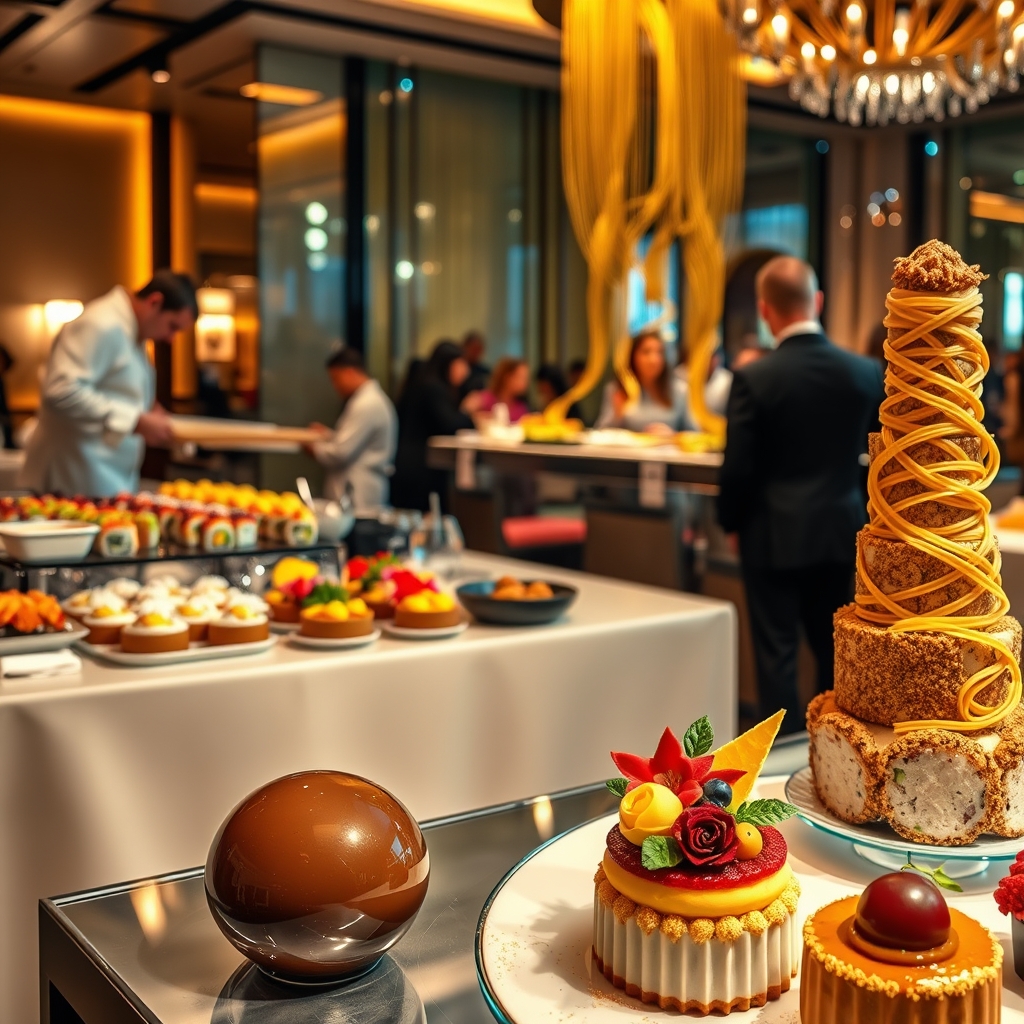
In the ever-evolving landscape of event catering, the focus has shifted from merely serving food to crafting an experience that engages all five senses. Today’s discerning guests crave more than just a meal—they seek a journey, one that tantalizes their taste buds, captivates their sight, and sparks their imagination. This is where the magic of sensory food presentation and interactive food stations comes into play, transforming ordinary dining into an extraordinary adventure.
The Art of Sensory Food Presentation
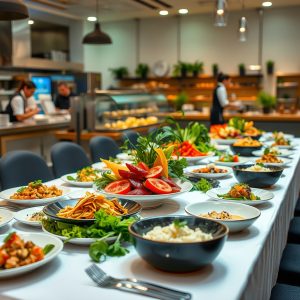
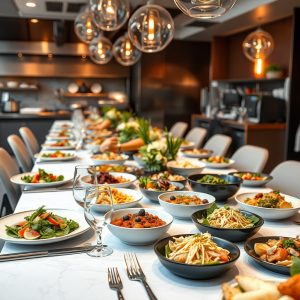
Food presentation is no longer just about arranging dishes on a plate; it’s about storytelling. Every element, from the color palette to the texture of the garnish, is carefully curated to evoke emotion and create a lasting impression. Imagine a dessert table where each sweet treat is not only visually stunning but also emits a delicate aroma, inviting guests to lean in and savor the moment. The use of edible flowers, gold leaf, and artistic plating techniques can turn a simple dessert into a masterpiece, making it almost too beautiful to eat—almost.
But sensory food presentation goes beyond aesthetics. It’s about engaging touch, sound, and even temperature. A cold, creamy gazpacho served in a chilled glass with a crisp cucumber garnish not only looks refreshing but feels it too. The crackle of a caramelized sugar dome as it’s broken at the table adds an auditory delight, while the contrast of temperatures in a dish—like a warm, molten chocolate cake paired with a scoop of icy sorbet—creates a symphony of sensations that linger long after the last bite.
Color Psychology in Culinary Design
Color plays a pivotal role in how we perceive food. Warm hues like reds and oranges can stimulate appetite and evoke feelings of comfort, while cooler tones like greens and blues can create a sense of freshness and tranquility. Event caterers are increasingly leveraging color psychology to set the mood for an occasion. A vibrant, rainbow-colored salad bar might energize guests at a daytime corporate event, while a monochromatic palette of deep purples and blacks could add an air of sophistication to an evening gala.
Incorporating seasonal ingredients not only ensures freshness but also allows for a natural evolution of color schemes. A summer event might feature bright, citrusy tones, while a winter gathering could embrace rich, earthy hues. This thoughtful approach to color doesn’t just make the food look appealing—it makes it feel intentional, as if every detail has been crafted with the guest’s experience in mind.
The Rise of Interactive Food Stations
Gone are the days of passive dining, where guests are handed a plate and left to eat in silence. Today’s events thrive on interaction, and interactive food stations are at the forefront of this movement. These stations invite guests to become active participants in their culinary experience, whether it’s customizing their own tacos, assembling a gourmet burger, or watching a chef prepare sushi right before their eyes.
Interactive stations do more than just feed guests—they entertain them. A live pasta-making station, for example, becomes a focal point of the event, drawing crowds who are eager to watch the dough being rolled, cut, and cooked to perfection. The sizzle of the pan, the aroma of garlic and herbs, and the anticipation of tasting the final product create a multisensory experience that’s as engaging as it is delicious.
Personalization at Its Finest
One of the greatest advantages of interactive food stations is the ability to offer personalized event dining. Guests can tailor their meals to their preferences, dietary restrictions, or even whims of the moment. A build-your-own bowl station might offer a variety of bases—quinoa, rice, greens—alongside an array of proteins, toppings, and sauces, allowing each guest to create a dish that’s uniquely theirs. This level of customization not only enhances the dining experience but also makes guests feel valued and understood.
For events with a global theme, interactive stations can transport guests to different corners of the world. A Japanese ramen bar, a Mexican street food cart, or an Italian antipasto station can each tell a story, offering a taste of culture and tradition. This approach not only diversifies the menu but also sparks conversation and connection among guests, turning a meal into a shared adventure.
Tech-Enabled Order Management: The Backbone of Seamless Experiences
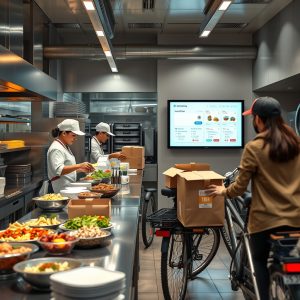
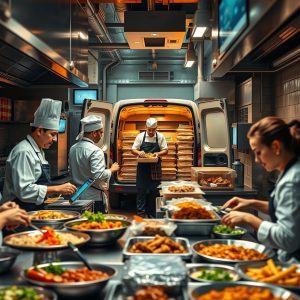
Behind the scenes, tech-enabled order management systems are revolutionizing the way caterers handle large-scale events. These systems streamline the ordering process, ensuring that every guest’s preferences are recorded and met without a hitch. Whether it’s tracking dietary restrictions, managing inventory, or coordinating with chefs in real time, technology ensures that the dining experience is as smooth as it is memorable.
For example, digital menus with QR codes allow guests to browse options, place orders, and even rate dishes from their smartphones. This not only reduces wait times but also provides caterers with valuable data on guest preferences, which can be used to refine future events. Additionally, automated kitchen workflows ensure that dishes are prepared efficiently, reducing waste and ensuring that every plate is served at its peak.
Sustainability Meets Innovation
In today’s world, sustainability is no longer an option—it’s a necessity. Sustainable catering practices are being seamlessly integrated into interactive and sensory-driven dining experiences. From farm-to-table sourcing to zero-waste cooking techniques, caterers are finding innovative ways to reduce their environmental footprint without compromising on quality or creativity.
Interactive stations can highlight sustainable practices, such as a seafood bar featuring responsibly sourced fish or a vegetable-forward station showcasing locally grown produce. Guests are not only educated about the origins of their food but also inspired to make more conscious choices in their own lives. This alignment of ethics and aesthetics creates a dining experience that’s as meaningful as it is delicious.
As event catering continues to evolve, the fusion of sensory food presentation, interactive stations, and cutting-edge technology is redefining what it means to dine. No longer confined to the plate, food has become a medium for storytelling, connection, and innovation. Whether it’s the crackle of a sugar dome, the vibrant colors of a seasonal salad, or the hands-on joy of assembling a meal, these experiences linger in the memory long after the event has ended. The future of dining isn’t just about what’s on the plate—it’s about the journey it takes to get there, and the stories it leaves behind.