
Event Catering 101: A Complete Guide to Planning a Flawless Event
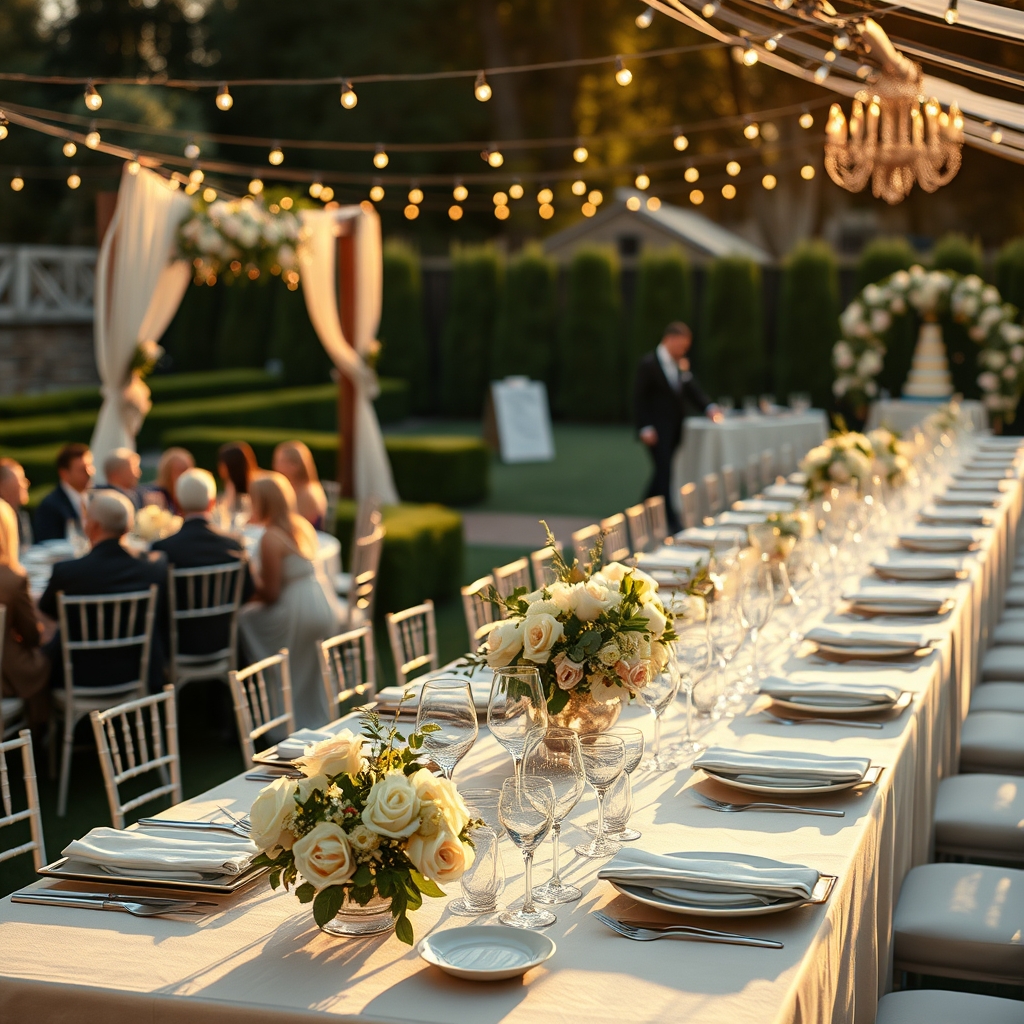
Planning an event, whether it’s a wedding, birthday celebration, or corporate gathering, involves countless details, but few are as critical as catering. The right food and beverage service can elevate the entire experience, leaving guests raving long after the event concludes. However, navigating the world of event catering can feel overwhelming without a clear roadmap. This guide will walk you through the essential steps to ensure your catering is seamless, delicious, and perfectly tailored to your occasion.
Understanding Your Event’s Needs
Before diving into menu options or vendor selections, it’s essential to define the scope of your event. Start by asking yourself a few key questions: What is the purpose of the event? Is it a formal affair, a casual gathering, or something in between? How many guests are you expecting? The answers to these questions will shape every decision moving forward, from the type of service to the menu complexity.
For example, a black-tie wedding may call for a multi-course plated dinner with wine pairings, while a corporate networking event might be better suited to passed hors d’oeuvres and a cocktail hour. Understanding the tone and expectations of your event will help you align your catering choices with the overall vision.
Setting a Realistic Budget
Budgeting is one of the most challenging aspects of event planning, and catering often consumes a significant portion of the overall spend. To avoid surprises, establish a clear budget early in the process. Consider not only the cost of food but also additional expenses like service staff, rentals (linens, china, glassware), and gratuities. A general rule of thumb is to allocate 25-30% of your total event budget to catering, but this can vary depending on the type of event and your priorities.
When working with caterers, be upfront about your budget. A reputable caterer will work with you to create a menu that fits your financial parameters while still delivering a memorable experience. Don’t hesitate to ask for cost-saving tips, such as opting for seasonal ingredients or simplifying the menu structure. Small adjustments can often make a big difference without sacrificing quality.
Choosing the Right Caterer
Selecting a caterer is one of the most important decisions you’ll make. Start by researching local caterers with experience in your type of event. Read reviews, ask for references, and schedule tastings to get a sense of their style and quality. During your initial consultations, pay attention to how well the caterer listens to your needs and whether they offer creative solutions tailored to your vision.
It’s also wise to inquire about their flexibility. Can they accommodate last-minute guest count changes? Do they have experience with dietary restrictions? How do they handle unexpected challenges, such as delays or equipment issues? A great caterer should not only provide delicious food but also act as a partner in ensuring your event runs smoothly.
Questions to Ask Potential Caterers
- What types of events do you specialize in? (e.g., weddings, corporate events, intimate gatherings)
- Can you provide a sample menu within my budget?
- Do you offer tastings, and is there a fee?
- What is your policy on dietary restrictions and allergies?
- Are service staff, rentals, and setup included in the pricing?
- What is your cancellation or change policy?
Designing the Perfect Menu
The menu is the heart of your catering plan, and it should reflect the theme, tone, and guest preferences of your event. Start by considering the time of day and the flow of the event. A brunch or luncheon might feature lighter fare, while an evening reception could include heartier options. For multi-hour events, think about how the menu will evolve—perhaps starting with passed appetizers, followed by a buffet or plated dinner, and ending with dessert and coffee service.
Variety is key, but avoid overwhelming guests with too many choices. A well-balanced menu should include a mix of proteins, vegetables, and starches, with options for different dietary needs. If your event has a cultural or thematic focus, incorporate dishes that reflect that identity. For example, a Mediterranean-themed wedding might feature mezze platters, grilled lamb, and baklava, while a rustic barn wedding could highlight farm-to-table dishes like roasted vegetables and artisanal cheeses.
Accommodating Dietary Restrictions
In today’s diverse culinary landscape, dietary restrictions are more common than ever. Whether due to allergies, religious practices, or personal preferences, it’s essential to offer inclusive menu options. Common dietary needs include vegetarian, vegan, gluten-free, dairy-free, nut-free, and halal or kosher meals. Work with your caterer to ensure these options are not only available but also delicious and thoughtfully prepared.
Labeling dishes clearly is a simple yet effective way to help guests navigate the menu. Consider using small placards or a menu card that lists ingredients and potential allergens. If you’re unsure about your guests’ dietary needs, include a question on your RSVP card or event registration form to gather this information in advance.
Coordinating with Venues and Vendors
Catering doesn’t exist in a vacuum—it’s just one piece of the larger event puzzle. To ensure everything comes together seamlessly, maintain open lines of communication with your venue and other vendors. Start by confirming the venue’s policies on outside catering. Some venues have exclusive catering partnerships, while others allow you to bring in your own vendor. If outside catering is permitted, clarify what the venue provides (e.g., tables, chairs, kitchen access) and what the caterer will need to bring.
Timing is another critical factor. Work with your caterer to create a detailed timeline that outlines when food will be delivered, set up, and served. Share this timeline with your venue coordinator, photographer, and other key vendors to ensure everyone is on the same page. For example, if your event includes a cocktail hour followed by a plated dinner, the caterer will need to coordinate with the venue to ensure the kitchen and dining area are ready at the right times.
Logistics and Setup
Behind the scenes, catering involves a lot of moving parts. Discuss logistics with your caterer, such as where food will be prepared and stored, how it will be transported to the venue, and what equipment (e.g., chafing dishes, refrigeration) is needed. If your event is outdoors, consider factors like weather, power sources, and pest control. A good caterer will have contingency plans for unexpected challenges, but it’s always wise to prepare for the worst-case scenario.
Don’t forget about the little details that can make a big difference. For example, if your event includes a buffet, ensure there’s enough space for guests to move comfortably and that the layout encourages a smooth flow. If you’re serving alcohol, confirm whether the venue has a liquor license or if your caterer can provide bartending services. These seemingly minor details can have a major impact on the overall guest experience.
As you navigate the complexities of event catering, remember that the goal is to create an experience that feels effortless for you and unforgettable for your guests. The best events are those where the food, service, and ambiance come together harmoniously, allowing everyone to focus on what truly matters—celebrating the moment. Whether you’re planning an intimate gathering or a grand affair, the right catering choices will set the stage for a flawless event that leaves a lasting impression.