Top Trends in On-Demand Food Delivery Services in 2026
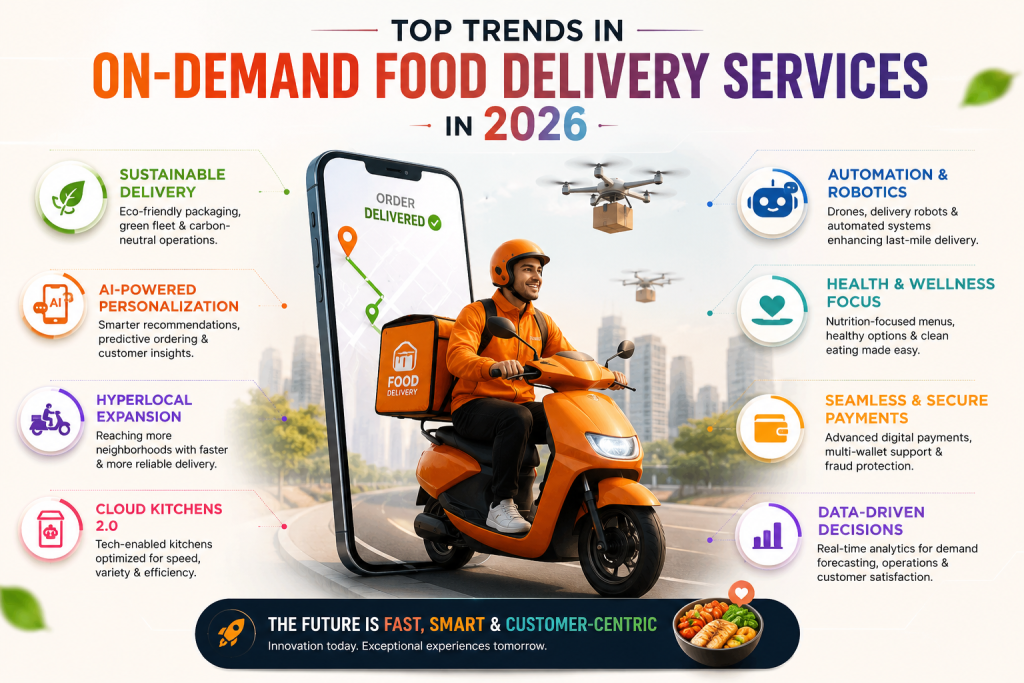
The on-demand food delivery industry has evolved at a breakneck pace, driven by technological advancements, shifting consumer preferences, and a growing emphasis on sustainability. As we step into 2026, the landscape is more dynamic than ever, with innovations reshaping how food reaches our doorsteps. Businesses that fail to adapt risk falling behind, while those that embrace these trends can unlock new levels of efficiency, customer satisfaction, and growth. Let’s dive into the key trends defining the future of on-demand food delivery.
The Rise of Ghost Kitchens
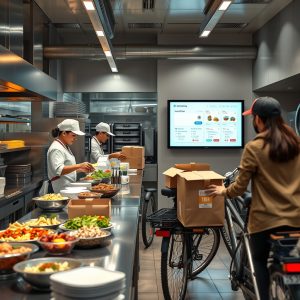
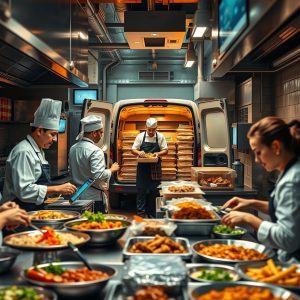
Ghost kitchens—also known as virtual kitchens or cloud kitchens—have emerged as a game-changer in the food delivery ecosystem. These are professional food preparation facilities that operate without a traditional dine-in space, focusing solely on fulfilling delivery orders. By eliminating the overhead costs associated with physical restaurants, ghost kitchens allow businesses to experiment with new concepts, optimize delivery logistics, and scale rapidly.
In 2026, ghost kitchens are expected to become even more sophisticated, with brands leveraging data analytics to identify high-demand locations and cuisines. For example, a single ghost kitchen might house multiple virtual brands, each catering to a specific niche, such as vegan comfort food, gourmet burgers, or international street food. This flexibility enables businesses to test new ideas with minimal risk while maximizing their reach through delivery platforms.
Why Ghost Kitchens Are Here to Stay
The appeal of ghost kitchens lies in their ability to reduce operational costs while increasing efficiency. Traditional restaurants often struggle with high rent, labor costs, and the challenges of managing a dine-in experience. Ghost kitchens, on the other hand, streamline operations by focusing solely on delivery, allowing for faster order fulfillment and lower prices for consumers. Additionally, the rise of third-party delivery apps has made it easier for ghost kitchens to reach a broader audience without the need for heavy marketing investments.
AI-Driven Personalization: The Future of Customer Experience
Artificial intelligence (AI) is no longer a futuristic concept—it’s a cornerstone of the modern food delivery experience. In 2026, AI-driven personalization will take center stage, enabling platforms to anticipate customer preferences with unprecedented accuracy. From dynamic menu recommendations to personalized discounts, AI is transforming how consumers interact with food delivery services.
One of the most exciting applications of AI in food delivery is predictive ordering. By analyzing past behavior, dietary preferences, and even external factors like weather or local events, AI can suggest meals that customers are likely to order before they even think about it. For instance, if a user frequently orders vegetarian meals on weekdays, the platform might proactively recommend a new plant-based dish from a nearby restaurant. This level of personalization not only enhances the customer experience but also drives higher order volumes and customer loyalty.
Chatbots and Voice Assistants: The New Frontline of Customer Service
AI-powered chatbots and voice assistants are becoming indispensable tools for food delivery platforms. These technologies handle everything from order tracking to resolving customer complaints, freeing up human agents to focus on more complex issues. In 2026, we can expect these systems to become even more intuitive, with natural language processing (NLP) enabling seamless, human-like interactions. Imagine placing an order through a voice assistant that not only understands your request but also suggests add-ons based on your previous orders—all without lifting a finger.
Sustainable Packaging: A Non-Negotiable Priority
As environmental concerns continue to gain traction, sustainable packaging has become a critical focus for the food delivery industry. Single-use plastics and non-recyclable materials are increasingly being phased out in favor of eco-friendly alternatives. In 2026, consumers will demand more than just convenience—they’ll expect their food to be delivered in packaging that aligns with their values.
Innovations in sustainable packaging are already making waves. Compostable containers, edible packaging, and reusable delivery bags are just a few examples of how the industry is reducing its environmental footprint. Some companies are even exploring closed-loop systems, where packaging is collected, cleaned, and reused for future deliveries. These efforts not only appeal to eco-conscious consumers but also help businesses reduce waste and comply with evolving regulations.
The Business Case for Sustainability
While sustainable packaging may come with higher upfront costs, the long-term benefits are undeniable. Brands that prioritize sustainability can differentiate themselves in a crowded market, attract environmentally aware customers, and even command premium pricing. Moreover, as governments around the world implement stricter regulations on single-use plastics, businesses that adopt sustainable practices early will be better positioned to comply with future laws. Sustainability isn’t just a trend—it’s a fundamental shift in how the food delivery industry operates.
Hyper-Local Delivery Networks: Speed Meets Efficiency
In the race to deliver food faster, hyper-local delivery networks are emerging as a key differentiator. These networks leverage local restaurants, dark stores (small warehouses stocked with popular items), and even micro-fulfillment centers to slash delivery times. By reducing the distance between the kitchen and the customer, businesses can offer near-instant delivery, often within 15-30 minutes.
In 2026, hyper-local delivery will become even more refined, with AI optimizing routes in real-time to account for traffic, weather, and other variables. Drones and autonomous delivery vehicles are also poised to play a larger role, particularly in urban areas where traffic congestion can delay traditional delivery methods. For consumers, this means fresher food, faster service, and a more reliable delivery experience.
The Role of Dark Stores in Hyper-Local Delivery
Dark stores are a critical component of hyper-local delivery networks. These small, strategically located warehouses stock a curated selection of high-demand items, allowing for rapid order fulfillment. Unlike traditional grocery stores, dark stores are designed solely for delivery, with optimized layouts and automated systems to speed up the picking and packing process. As more consumers embrace the convenience of ultra-fast delivery, dark stores will become an essential part of the food delivery ecosystem.
The on-demand food delivery industry is undergoing a transformation, driven by innovation and a relentless focus on meeting consumer demands. From ghost kitchens and AI-driven personalization to sustainable packaging and hyper-local delivery, the trends shaping 2026 are redefining what it means to deliver food. Businesses that embrace these changes will not only stay ahead of the competition but also create more meaningful, efficient, and sustainable experiences for their customers. The future of food delivery is here, and it’s more exciting than ever.