The Psychology of Plating: How Catering Services Engineer Desire Through Logistics and Presentation
The modern catering industry is no longer just about feeding people—it is about orchestrating an experience that begins long before the first bite and lingers long after the last plate is cleared. The most successful catering services understand that desire is not innate; it is engineered. Through a meticulous blend of logistics, sensory design, and psychological triggers, they transform mere sustenance into an event worth remembering. This is not happenstance. It is strategy.
The Illusion of Abundance: Why Scarcity Sells
Scarcity is a powerful psychological lever, and catering services wield it with surgical precision. The buffet line, once a symbol of limitless choice, has evolved into a carefully curated display where portions are controlled, presentation is deliberate, and the illusion of abundance masks calculated restraint. Corporate catering, in particular, thrives on this dynamic. A spread that appears bountiful yet finite creates urgency—guests take what they need, but not so much that waste becomes an issue. The result? A perception of value that transcends the actual quantity of food.
Drop-off catering services take this principle further. By delivering pre-portioned meals in elegant packaging, they eliminate the chaos of self-service while reinforcing the idea of exclusivity. Each container is a promise: this meal was made for you, and only you. The logistics behind this—timed deliveries, temperature-controlled packaging, and real-time tracking—are invisible to the consumer, but their absence would shatter the illusion. The moment a dish arrives lukewarm or a delivery is delayed, the spell is broken.
The Sensory Logistics: How Temperature, Texture, and Timing Shape Perception
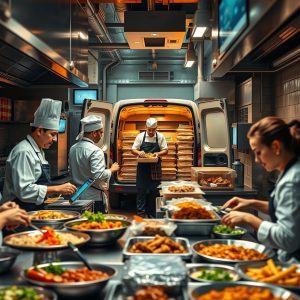
Food is not just tasted; it is experienced. The best catering services understand that logistics extend beyond delivery windows and into the realm of sensory engineering. A dish that arrives at the perfect temperature—crisp where it should be, tender where it must be—is not an accident. It is the result of thermal packaging innovations, route optimization algorithms, and kitchen workflows designed to synchronize cooking and delivery down to the minute.
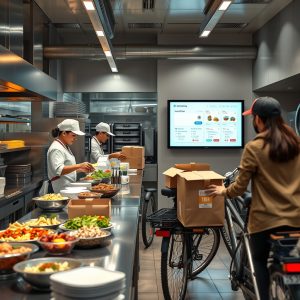
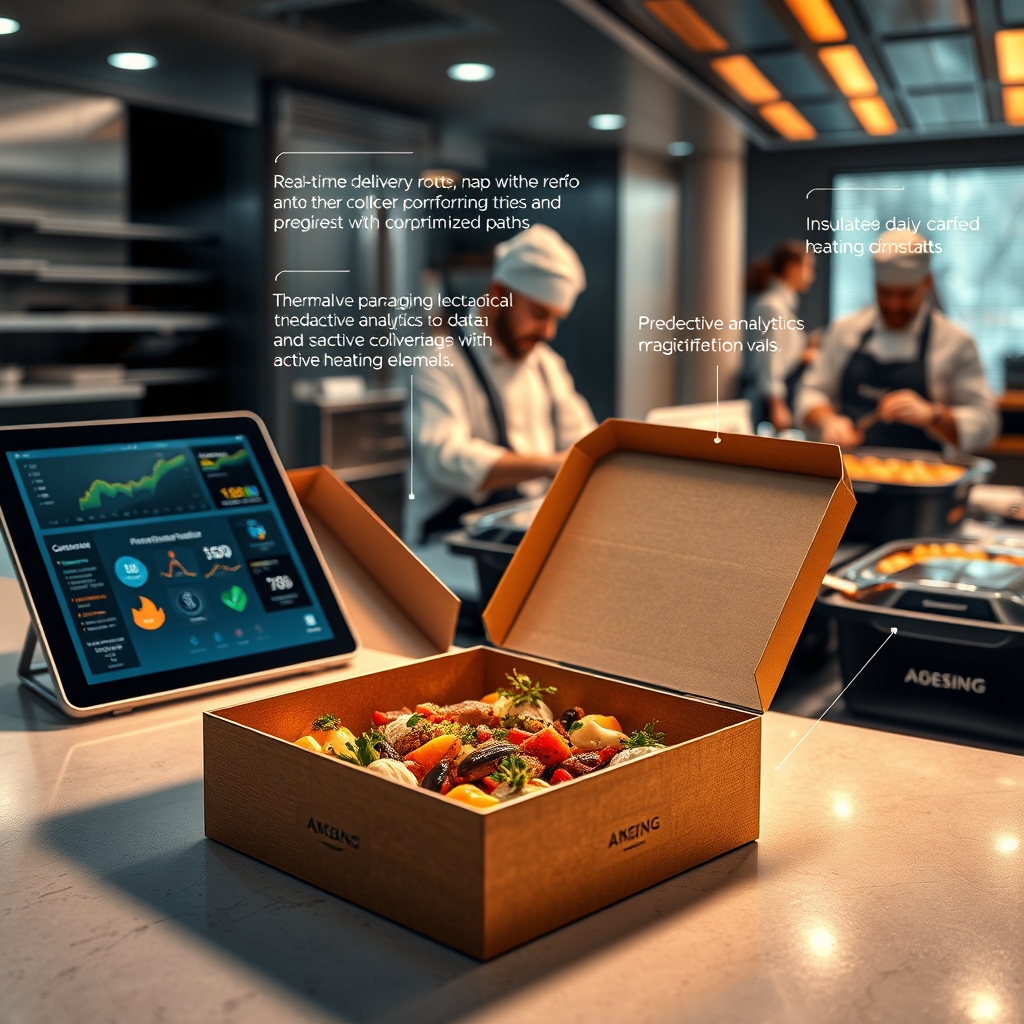
Consider the cloud kitchen model, where meals are prepared in centralized hubs and dispatched on demand. The challenge here is not just speed but consistency. A salad that wilts during transit or a sauce that separates en route becomes a liability. Solutions like phase-change materials in packaging, insulated delivery bags with active heating elements, and even AI-driven predictive modeling for traffic and weather conditions ensure that the food arrives as intended. The logistics are complex, but the payoff is simple: a customer who believes the meal was prepared just for them, no matter how many orders were fulfilled that hour.
The Role of Packaging in the Theater of Consumption
Packaging is the silent ambassador of a catering brand. It sets expectations before the first bite and frames the entire dining experience. A flimsy plastic container suggests disposability; a sleek, compostable box with a magnetic closure implies luxury. The rise of eco-conscious catering has added another layer to this equation. Sustainable packaging is no longer a differentiator—it is an expectation. But even here, psychology plays a role. A biodegradable container that feels sturdy and premium justifies a higher price point, while one that feels cheap undermines the perceived value of the meal inside.
Corporate catering services have mastered this art. A lunch delivered to a boardroom in stackable, branded containers with individual utensils wrapped in linen-like paper elevates the mundane act of eating into a statement. It says: this meal was designed with intention. The same principle applies to home catering services, where the unboxing experience can turn a routine dinner into an event. The logistics of packaging—from material selection to assembly speed—are as critical as the food itself.
The Data Behind the Desire: How Catering Services Predict and Shape Cravings
The most advanced catering businesses do not just respond to demand—they anticipate it. Through data analytics, they track not only what customers order but when, how often, and in what combinations. A corporate client that consistently orders vegetarian options on Mondays but switches to protein-heavy meals by Friday reveals a pattern. A wedding catering service that notices a spike in gluten-free requests during summer months can adjust its inventory preemptively. This is not guesswork; it is predictive logistics.
Online catering orders have become a goldmine of behavioral data. Every abandoned cart, every last-minute modification, every review mentioning “not enough spice” or “too salty” is a data point. Catering services that leverage this information can refine their menus, adjust portion sizes, and even tailor delivery windows to match customer habits. The result is a service that feels personalized, even at scale. The logistics of data management—from CRM systems to AI-driven demand forecasting—are the unseen backbone of this precision.
The Human Factor: Why Customer Service Still Outperforms Automation
For all the talk of logistics and data, the catering industry remains a human business. The best delivery algorithms and thermal packaging cannot compensate for a dismissive tone on the phone or a driver who treats a customer’s home like a loading dock. Customer service excellence is the final, non-negotiable layer of the catering experience. It is the difference between a one-time order and a lifelong client.
Express delivery services and on-demand catering have raised the stakes. Customers now expect not just speed but transparency—real-time updates, accurate ETAs, and proactive communication when delays occur. The logistics of this are complex, but the principle is simple: treat the customer’s time as sacred. A catering service that delivers on time but leaves the customer feeling ignored has failed. Conversely, one that arrives five minutes late but communicates clearly and courteously can still win loyalty.
The psychology of catering is not about deception; it is about design. Every element—from the scarcity of the buffet to the texture of the packaging, from the temperature of the food to the tone of the delivery driver—is a calculated input in an equation whose output is desire. The most successful catering services do not just feed people; they craft moments. And in an industry where the competition is always just one click or one bad review away, those moments are the difference between a business that survives and one that thrives. The logistics are the foundation, but the psychology is the architecture. Without it, even the most efficient operation is just a kitchen with a delivery van.