The Art of the Invisible Spread: How Corporate Catering Logistics Shape Perception and Performance
The corporate catering industry is not merely about delivering food—it is about delivering an experience that reinforces brand identity, enhances productivity, and subtly influences decision-making. The logistics behind this process are often invisible, yet they determine whether an event succeeds or fails in the eyes of its attendees. The difference between a seamless corporate luncheon and a logistical disaster lies not in the quality of the cuisine alone, but in the precision of its execution.
The Illusion of Effortlessness
Corporate clients demand flawlessness. A delayed delivery, mismatched portions, or lukewarm dishes can disrupt the flow of a meeting, undermine professionalism, and leave a lasting negative impression. The most successful catering services understand that their role extends beyond culinary expertise—they must function as silent partners in the event’s success. This requires a meticulous orchestration of timing, temperature control, and presentation, all while maintaining the illusion of effortlessness.
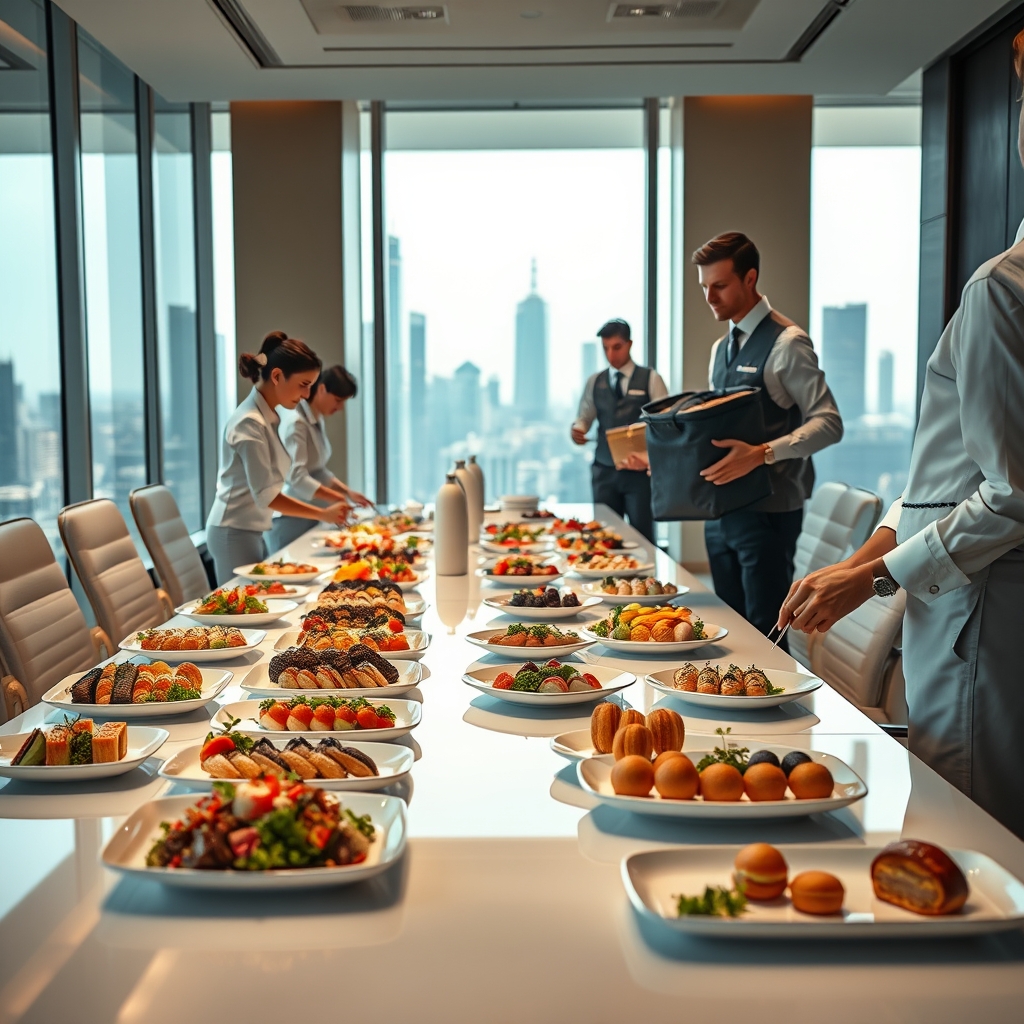
Consider the logistics of a high-stakes boardroom lunch. The food must arrive at the precise moment it is needed, not a minute before or after. The portions must be calculated to avoid waste while ensuring no attendee is left unsatisfied. The presentation must align with the company’s aesthetic—minimalist and sleek for a tech startup, refined and traditional for a law firm. Each detail is a calculated move in a larger strategy of perception management.
The Psychology of the Unseen Handoff
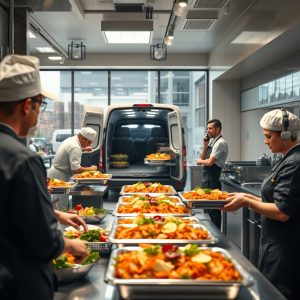
The most critical moment in corporate catering is the handoff—the point at which the food transitions from the caterer’s control to the client’s. This is where most failures occur, yet it is also where the most skilled operators distinguish themselves. A well-executed handoff is invisible; the food appears as if by magic, perfectly arranged and ready for consumption. A poorly executed one, however, exposes the seams of the operation—late arrivals, missing utensils, or last-minute scrambling to set up.
This invisibility is achieved through a combination of predictive logistics and adaptive problem-solving. Catering services that excel in this space invest in real-time tracking, contingency planning, and trained staff who can adjust on the fly. They understand that the client’s focus should never shift from the meeting’s agenda to the logistics of the meal. The food must serve the event, not the other way around.
The Economics of Convenience
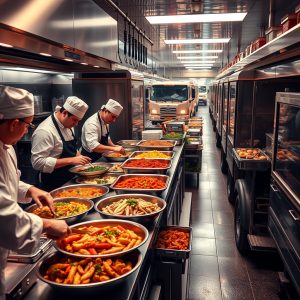
The rise of on-demand catering has introduced a new layer of complexity—and opportunity—into the corporate food service landscape. Companies now expect same-day or even same-hour deliveries, forcing caterers to optimize their operations for speed without sacrificing quality. This shift has given birth to hybrid models, where cloud kitchens and traditional catering services coexist, each serving different segments of the market.
For corporate clients, the appeal of on-demand catering lies in its flexibility. A last-minute client meeting no longer requires a frantic search for a restaurant with availability; instead, a few taps on an app can secure a professionally prepared meal delivered within the hour. This convenience, however, comes at a cost—both literal and operational. Caterers must balance the need for rapid turnaround with the risk of overcommitting resources, leading to delays or compromised quality.
The Role of Data in Refining the Process
The most forward-thinking catering services are leveraging data to refine their operations. By analyzing past orders, delivery times, and client feedback, they can anticipate demand, optimize routes, and even predict which dishes will be most popular for specific types of events. This data-driven approach allows them to reduce waste, improve efficiency, and enhance the overall client experience.
For example, a caterer might notice that law firms consistently order lighter, healthier meals for midday meetings, while tech companies prefer heartier, more diverse options. Armed with this insight, they can tailor their menus and logistics to better serve each segment, reducing the risk of misaligned expectations. This level of precision is what separates industry leaders from the rest.
The Human Element in a Digital Age
Despite the increasing reliance on technology, the human element remains irreplaceable in corporate catering. A well-trained staff can adapt to unexpected challenges—traffic delays, last-minute guest count changes, or dietary restrictions discovered at the last moment. The ability to problem-solve in real time is what transforms a good catering service into an exceptional one.
Customer service excellence in this context is not about grand gestures but about anticipating needs before they arise. A caterer who proactively checks in with the client the day before an event, confirms dietary restrictions, and verifies delivery details is far more valuable than one who simply shows up with the food. This level of attentiveness builds trust and fosters long-term relationships, which are the lifeblood of the industry.
The corporate catering landscape is evolving at a rapid pace, driven by the dual forces of convenience and expectation. Clients no longer view catering as a luxury but as a necessity, and their standards for quality, speed, and reliability have never been higher. The caterers who thrive in this environment will be those who treat logistics not as a behind-the-scenes necessity but as a strategic advantage—one that shapes perception, enhances performance, and ultimately defines the success of the events they serve. The best operations are those that remain unseen, yet their impact is felt in every satisfied attendee, every seamless meeting, and every repeat order. The art of the invisible spread is not just about food; it is about mastering the delicate balance between preparation and perception, ensuring that what arrives on the table is not just a meal, but an experience.