The Silent Engine: How Hyper-Efficient Logistics Are Redefining the Economics of Catering Dominance Beyond the Kitchen
The modern catering industry is no longer defined by the quality of its cuisine alone. While flavor, presentation, and culinary innovation remain critical, the true battleground for market dominance has shifted—into the unseen, high-stakes world of logistics. The most successful catering businesses today are those that treat delivery not as an afterthought, but as the core of their operational philosophy. This is not merely about moving food from point A to point B; it is about redefining the economics of time, trust, and customer perception through hyper-efficient logistics.
The Illusion of Simplicity
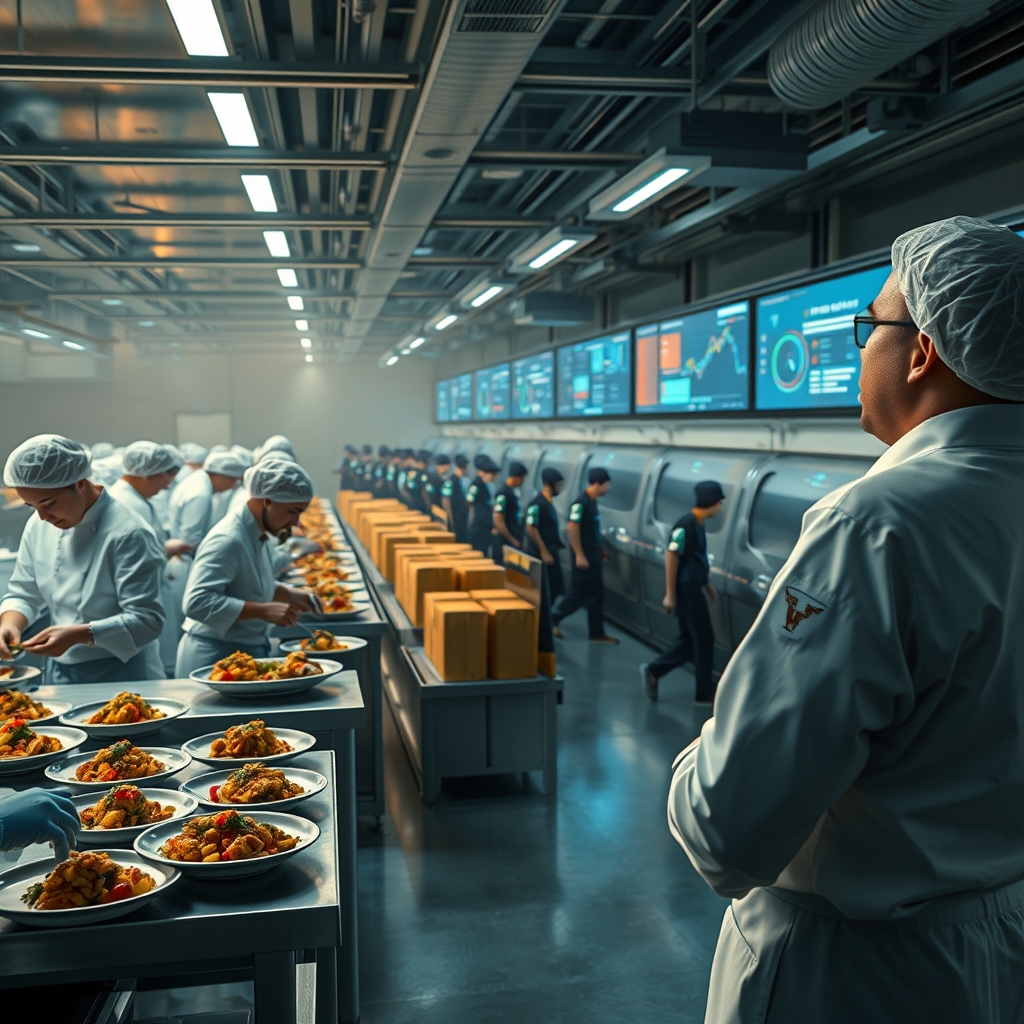
To the end consumer, a seamless catering experience appears effortless. A corporate lunch arrives on time, still warm, perfectly portioned, and presented with precision. A last-minute dinner party is saved by a drop-off catering service that delivers a gourmet spread within an hour. Behind this illusion of simplicity, however, lies a complex, data-driven machine. The most competitive catering services operate like logistics companies first and food providers second. They leverage real-time routing algorithms, predictive analytics, and micro-fulfillment centers to eliminate inefficiencies that once plagued the industry.
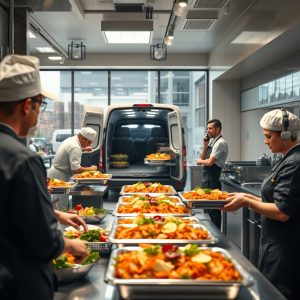
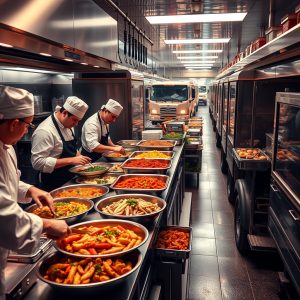
Consider the rise of cloud kitchens—commercial cooking spaces designed exclusively for delivery and pickup. These facilities strip away the overhead of dine-in service, allowing caterers to focus solely on production and dispatch. By centralizing operations in high-demand urban areas, cloud kitchens reduce delivery times, minimize fuel costs, and optimize labor. The result is a leaner, more agile business model that can scale rapidly without the constraints of traditional brick-and-mortar restaurants. This is not just a cost-saving measure; it is a strategic reimagining of how catering services compete in an on-demand economy.
The Psychology of the Last Mile
The final leg of a catering delivery—the so-called “last mile”—is where most failures occur. A delayed order, a missing utensil, or a lukewarm dish can unravel even the most meticulously prepared meal. Yet, the most successful catering services have turned this vulnerability into a competitive advantage. They understand that the last mile is not just a logistical challenge; it is a psychological one. Customers do not remember the food alone; they remember how it arrived. Was it on time? Was it presented with care? Did it meet—or exceed—their expectations?
This is where hyper-local logistics come into play. By establishing micro-fulfillment hubs in strategic neighborhoods, catering services can reduce delivery windows from hours to minutes. This proximity allows for greater flexibility in last-minute orders, a critical factor in corporate and event catering where schedules are often fluid. Moreover, it enables caterers to offer express delivery services that command premium pricing. The economics are clear: customers are willing to pay more for speed and reliability when the alternative is uncertainty.
The Data-Driven Kitchen
The most disruptive catering businesses are those that treat data as their most valuable ingredient. Every order, every delivery route, and every customer interaction generates insights that can be used to refine operations. Predictive analytics allow caterers to anticipate demand spikes, adjust staffing levels, and optimize inventory in real time. Machine learning algorithms can identify patterns in customer behavior, enabling hyper-personalized service offerings—such as tailored menu recommendations or dynamic pricing based on order volume and timing.
For example, a corporate catering service might use historical data to predict which days of the week see the highest demand for vegetarian meals, allowing them to pre-prepare certain dishes and reduce waste. Similarly, a home catering service could analyze delivery times to identify bottlenecks in their logistics chain, such as traffic-heavy routes or inefficient packing processes. By turning raw data into actionable intelligence, catering businesses can eliminate guesswork and operate with surgical precision.
The Trust Economy
In an era where convenience is king, trust is the currency that separates market leaders from also-rans. Customers do not just want their food delivered; they want it delivered with the assurance that it will meet their expectations every single time. This is why the most successful catering services invest heavily in customer service excellence—not as a cost center, but as a strategic differentiator. A well-trained support team can turn a potential disaster (a missing order, a damaged dish) into an opportunity to reinforce customer loyalty. The key is not just resolving issues, but doing so in a way that leaves the customer feeling valued and understood.
This trust is further reinforced by transparency. Modern catering logistics platforms allow customers to track their orders in real time, from preparation to dispatch to delivery. This visibility reduces anxiety and builds confidence in the service. It also shifts the burden of reliability from the customer to the caterer, who must now ensure that every step of the process is executed flawlessly. The result is a virtuous cycle: the more reliable the service, the more customers are willing to pay for it, and the more resources the caterer can invest in further improving their logistics.
The Future of Catering: Beyond the Plate
The next frontier for catering services lies in the integration of logistics and customer experience. The most forward-thinking businesses are already experimenting with AI-driven chatbots for order management, drone deliveries for ultra-fast service, and blockchain for transparent supply chain tracking. These innovations are not just gimmicks; they are the building blocks of a new catering paradigm—one where the line between food service and logistics blurs entirely.
For small businesses, this shift presents both a challenge and an opportunity. The challenge is clear: competing with larger, more established players requires a level of operational efficiency that many small caterers struggle to achieve. Yet, the opportunity is equally compelling. By leveraging hyper-local logistics, niche market positioning, and a relentless focus on customer service, small catering businesses can carve out a dominant position in their communities. The key is to recognize that the future of catering is not just about what is on the plate, but how it gets there—and how seamlessly the entire experience is delivered.
The catering industry is undergoing a quiet revolution, one where the most valuable asset is no longer the chef’s knife, but the logistics algorithm. Those who master this shift will not just survive—they will redefine what it means to serve food in the 21st century. The question is no longer whether logistics matter, but how far a business is willing to go to perfect them. The answer will determine who dominates the market in the years to come, not just by delivering meals, but by delivering trust, convenience, and an experience that begins long before the first bite is taken.