The Art of Sensory Food Presentation: Crafting Memorable Dining Concepts for Modern Events
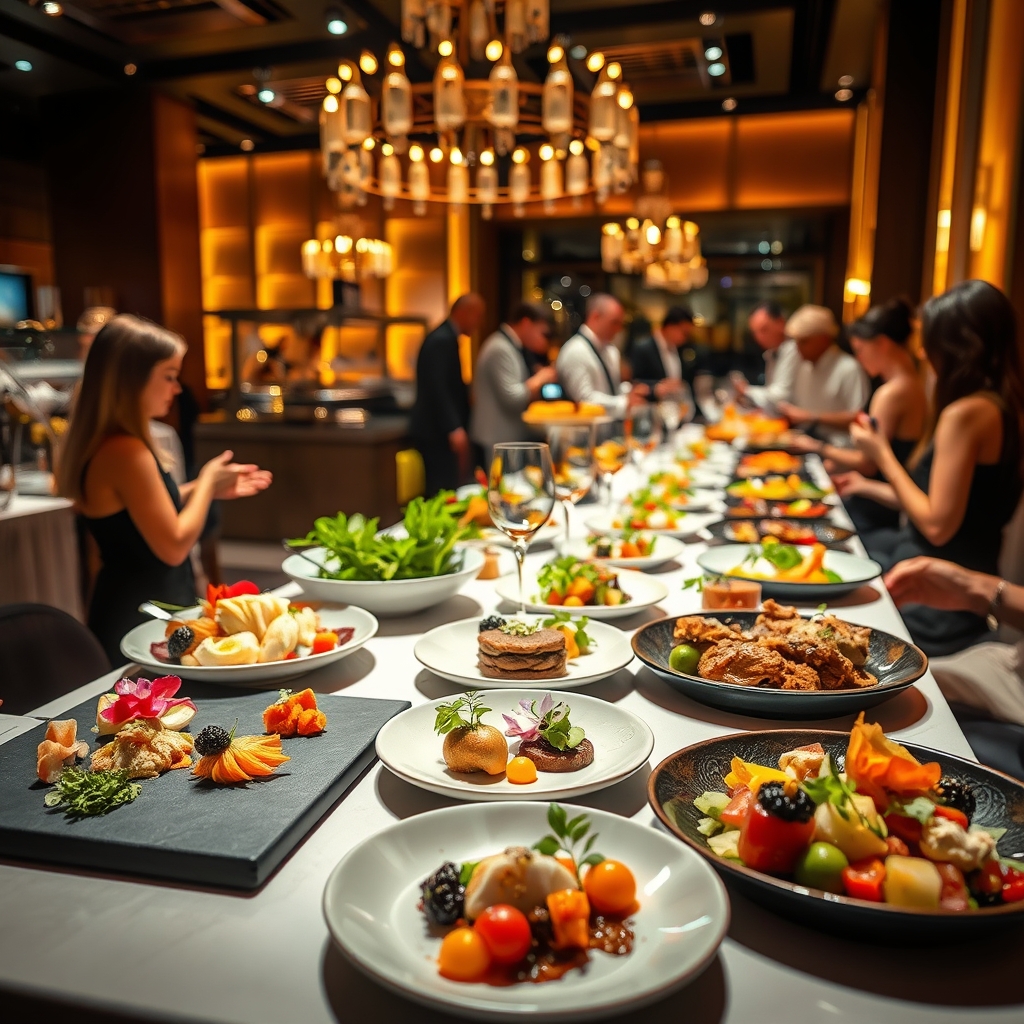
In the ever-evolving world of event catering, the way food is presented has transcended mere aesthetics to become a cornerstone of the guest experience. Sensory food presentation is no longer just about making dishes look appealing; it’s about engaging all five senses to create a lasting impression. This approach transforms dining into an immersive journey, where every element—from the visual arrangement to the subtle aromas—plays a pivotal role in crafting unforgettable moments.
The Psychology Behind Sensory Food Presentation
Humans are inherently sensory beings, and our perception of food is deeply influenced by how it appeals to our senses. Studies have shown that the visual presentation of a dish can significantly impact our expectations and enjoyment. A well-plated meal not only looks enticing but also primes the palate for the flavors to come. For instance, the use of color contrasts can make a dish appear fresher and more vibrant, while thoughtful plating techniques can guide the diner’s eye to the focal point of the dish, enhancing their anticipation.
Beyond sight, the aroma of food plays a crucial role in stimulating appetite and memory. The scent of freshly baked bread or the subtle hint of herbs can evoke emotions and transport guests to a different time or place. Incorporating aromatic elements into food presentation—such as warm spices or citrus zest—can elevate the dining experience from ordinary to extraordinary. When all senses are engaged, the meal becomes more than just sustenance; it becomes a story, a memory, and an experience.
Modern Techniques in Food Staging
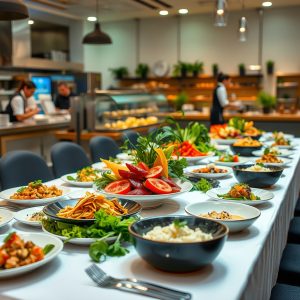
The art of food staging has evolved with the advent of new technologies and creative techniques. One of the most exciting developments is the use of interactive food stations, where guests can customize their dishes in real time. These stations not only provide a dynamic dining experience but also allow for personalized event dining, catering to individual preferences and dietary needs. For example, a build-your-own taco bar or a live sushi rolling station invites guests to engage with their food, making the experience more interactive and memorable.
Another trend in modern food staging is the use of unconventional serving vessels and materials. From edible flowers and microgreens to slate boards and geometric plates, the choice of presentation tools can add a layer of sophistication to the dining experience. Thematic culinary design takes this a step further by aligning the presentation with the event’s overall theme. Whether it’s a rustic farm-to-table gathering or a sleek, modern corporate event, the presentation can reinforce the event’s narrative and create a cohesive atmosphere.
Incorporating Sustainable Practices
As sustainability becomes a priority in event planning, caterers are finding innovative ways to integrate eco-friendly practices into sensory food presentation. Farm-to-table sourcing is a key component of this movement, ensuring that ingredients are fresh, locally sourced, and seasonal. This not only enhances the flavor and quality of the dishes but also reduces the carbon footprint of the event. Additionally, using biodegradable or reusable serving materials—such as bamboo plates or compostable cutlery—can further align the presentation with sustainable catering practices.
Ethical sourcing strategies also play a role in food presentation. Highlighting the origin of ingredients—such as artisanal cheeses or heirloom vegetables—can add a layer of authenticity and storytelling to the dining experience. Guests are increasingly drawn to the narrative behind their food, and showcasing the journey from farm to table can make the meal feel more meaningful and connected to the broader world.
The Role of Technology in Enhancing Presentation
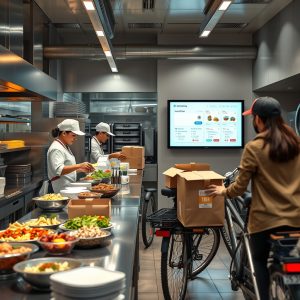
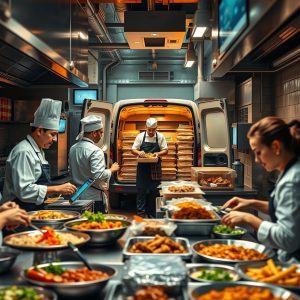
Technology is revolutionizing the way food is presented at events. Tech-enabled order management systems allow caterers to streamline operations, ensuring that dishes are served at the optimal temperature and freshness. This level of precision is particularly important for large-scale events, where timing and consistency are critical. Additionally, digital displays and augmented reality can be used to enhance the visual appeal of food stations, providing guests with interactive menus or immersive storytelling elements that complement the dining experience.
Data-driven catering logistics are another game-changer in the industry. By analyzing guest preferences and dietary restrictions, caterers can tailor the presentation and menu to suit the specific needs of the event. This level of customization ensures that every guest feels valued and catered to, further enhancing the overall experience. For example, nutritional customization options—such as gluten-free or vegan alternatives—can be seamlessly integrated into the presentation, ensuring that all guests can enjoy the meal without compromise.
Creating a Holistic Dining Experience
The most successful events are those that take a holistic approach to catering, where every detail is carefully considered to create a cohesive and immersive experience. Bespoke beverage pairing is one such detail that can elevate the dining experience. Thoughtfully selected wines, craft cocktails, or non-alcoholic pairings can complement the flavors of the dishes and enhance the overall sensory journey. For instance, a crisp white wine might pair beautifully with a delicate seafood dish, while a bold red could enhance the richness of a slow-cooked meat.
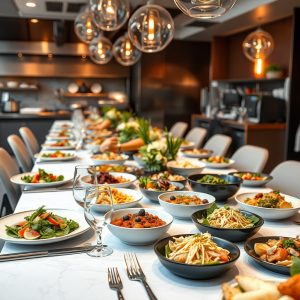
Premium service standards are another essential component of a holistic dining experience. Attentive staff, elegant table settings, and seamless service can make guests feel pampered and valued. When combined with sensory food presentation, these elements create a dining experience that is not only visually stunning but also emotionally resonant. The goal is to create a moment that guests will remember long after the event has ended, where every bite, every sip, and every detail contributes to a sense of wonder and delight.
In a world where experiences are increasingly valued over material possessions, the art of sensory food presentation offers a unique opportunity to create something truly extraordinary. By engaging the senses, embracing sustainability, and leveraging technology, caterers can transform a simple meal into a memorable journey. Whether it’s a corporate event, a wedding, or an intimate gathering, the way food is presented can set the tone for the entire experience, leaving guests with a lasting impression of beauty, flavor, and connection.