Retail Shop Services: Innovative Ways to Enhance Customer Experience and Loyalty
In today’s competitive retail landscape, standing out requires more than just quality products—it demands exceptional customer experiences that foster loyalty and repeat business. Small businesses, in particular, have the agility to innovate and personalize their services in ways that large chains often struggle to match. By adopting creative strategies, retail shops can not only meet but exceed customer expectations, turning one-time buyers into lifelong advocates.
The Power of Personalization
Personalization is no longer a luxury; it’s an expectation. Customers want to feel seen and valued, and retail shops can deliver this by tailoring experiences to individual preferences. One effective way to achieve this is through data-driven insights. By tracking purchase history, browsing behavior, and even customer feedback, retailers can offer personalized recommendations, exclusive discounts, or curated product selections. For example, a local bookstore might send a handwritten note with a book recommendation based on a customer’s past purchases, creating a memorable and thoughtful touch.
Another approach is to offer customizable products. Whether it’s monogramming, bespoke packaging, or made-to-order items, giving customers the ability to personalize their purchases adds a unique value that mass-produced goods cannot match. A small boutique selling handmade jewelry, for instance, could offer engraving services, allowing customers to add a special message or name to their pieces. This not only enhances the product but also deepens the emotional connection between the customer and the brand.
Loyalty Programs That Go Beyond Discounts
Loyalty programs are a staple in retail, but the most successful ones go beyond simple discounts. They create a sense of community and belonging, making customers feel like they’re part of something special. One innovative approach is to design tiered loyalty programs that reward customers not just for purchases but for engagement. For example, a coffee shop might offer points for visiting, referring friends, or even bringing a reusable cup. Higher tiers could unlock perks like free workshops, early access to new products, or exclusive events.
Another effective strategy is to incorporate gamification into loyalty programs. By adding elements like challenges, badges, or leaderboards, retailers can make the experience more interactive and fun. A local grocery store, for example, could create a “Healthy Habits” challenge where customers earn points for purchasing fresh produce, attending nutrition workshops, or sharing recipes on social media. This not only encourages repeat visits but also fosters a sense of achievement and community among customers.
Community-Centric Loyalty
Small businesses have a unique advantage in building community-centric loyalty programs. Unlike large corporations, they can leverage their local roots to create programs that resonate with their customer base. For instance, a neighborhood hardware store could partner with local contractors or DIY influencers to offer workshops or demonstrations. Customers who attend these events could earn loyalty points, creating a win-win situation where the store drives foot traffic while customers gain valuable skills and knowledge.
Additionally, loyalty programs can be tied to social causes that matter to the community. A retail shop might donate a portion of loyalty points redeemed to a local charity or school, giving customers a sense of pride in supporting a business that gives back. This not only strengthens customer loyalty but also enhances the shop’s reputation as a community pillar.
Efficient and Innovative Local Delivery Options
In an era where convenience is king, efficient local delivery options can set a retail shop apart from the competition. While same-day or next-day delivery is often associated with e-commerce giants, small businesses can offer unique and personalized delivery experiences that larger companies cannot replicate. For example, a local florist might provide hand-delivered bouquets with a personalized note, or a bakery could offer scheduled deliveries for weekly bread or pastry subscriptions.
Subscription-based delivery models are another innovative way to enhance customer loyalty. A specialty grocery store, for instance, could offer a “Local Produce Box” subscription, delivering fresh, seasonal produce from nearby farms to customers’ doorsteps each week. This not only supports local farmers but also provides customers with a convenient and sustainable way to shop. Additionally, retailers can offer flexible delivery options, such as curbside pickup or in-store pickup, to cater to different customer preferences.
Technology as an Enabler
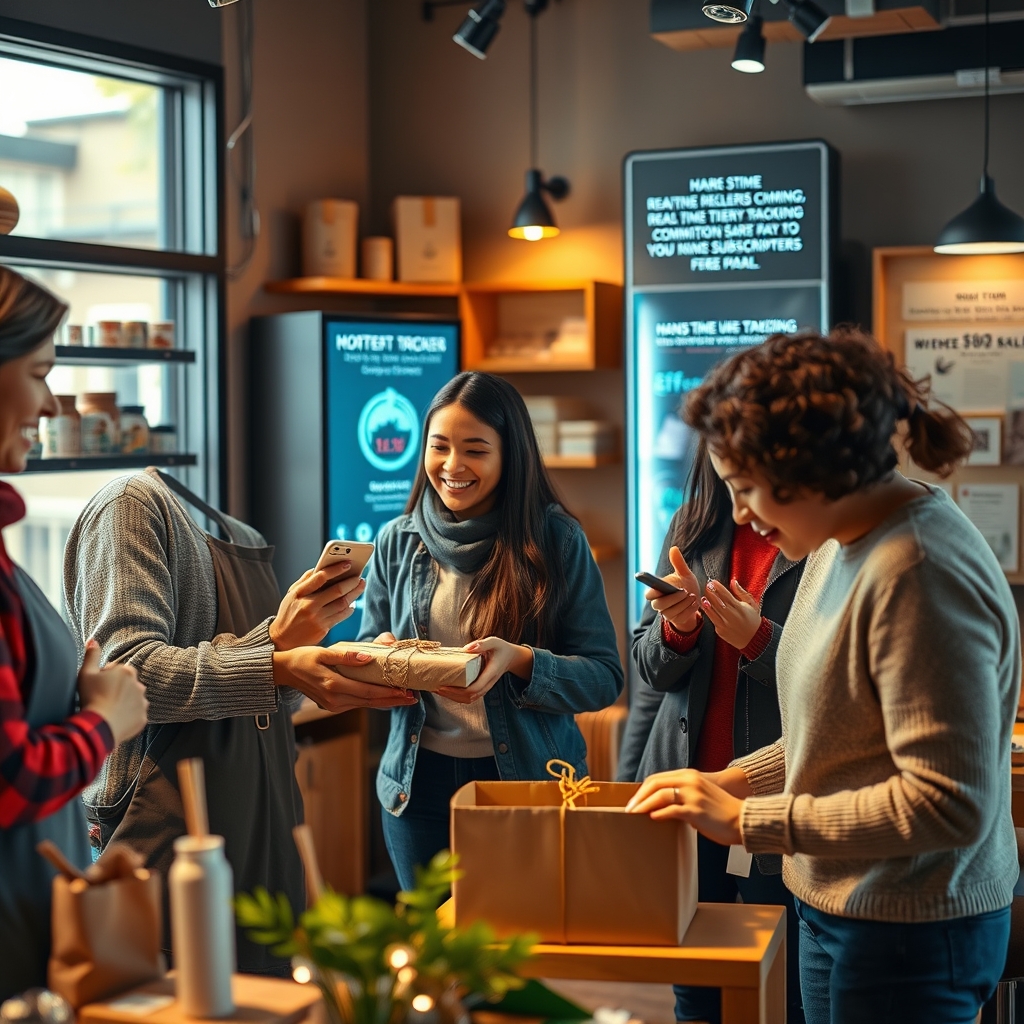
Technology plays a crucial role in streamlining delivery services. Retailers can leverage apps or online platforms to allow customers to track their orders in real-time, schedule deliveries, or even customize their delivery preferences. For example, a local pharmacy could use a mobile app to send reminders for prescription refills and offer home delivery for elderly or busy customers. This not only improves efficiency but also enhances the overall customer experience by making it more convenient and hassle-free.
Moreover, retailers can use technology to personalize the delivery experience. For instance, a boutique clothing store could send a video message from the stylist along with the delivered order, thanking the customer and offering styling tips for their new purchase. These small touches can make a big difference in how customers perceive the brand and their likelihood of returning.
Creating Memorable In-Store Experiences
While online shopping continues to grow, the in-store experience remains a powerful tool for retail shops to differentiate themselves. Creating a welcoming and engaging atmosphere can turn a routine shopping trip into a memorable event. One way to achieve this is by hosting in-store events, such as product demonstrations, workshops, or meet-and-greets with local artisans. For example, a home goods store could host a “DIY Home Decor” workshop, where customers can learn new skills while shopping for supplies.
Another strategy is to design the store layout and ambiance to reflect the brand’s personality and values. A sustainable fashion boutique, for instance, might use eco-friendly materials for displays, play soothing nature sounds, and offer complimentary organic tea to create a relaxing and immersive shopping experience. By appealing to all five senses, retailers can create a lasting impression that encourages customers to return.
Interactive elements can also enhance the in-store experience. For example, a beauty store could offer virtual try-on stations where customers can test makeup or skincare products using augmented reality. This not only makes the shopping experience more fun and engaging but also helps customers make more informed purchasing decisions. Additionally, retailers can use technology to provide personalized recommendations, such as a digital stylist that suggests outfits based on a customer’s preferences and past purchases.
In a world where customers have endless options, retail shops must go beyond transactions to create meaningful connections. By focusing on personalization, innovative loyalty programs, efficient delivery options, and memorable in-store experiences, small businesses can build a loyal customer base that not only returns but also advocates for the brand. The key lies in understanding that every interaction is an opportunity to delight, engage, and inspire, turning casual shoppers into lifelong fans who feel a genuine connection to the business and its values.