The Rise of Cloud Kitchens: How to Launch Your Virtual Restaurant
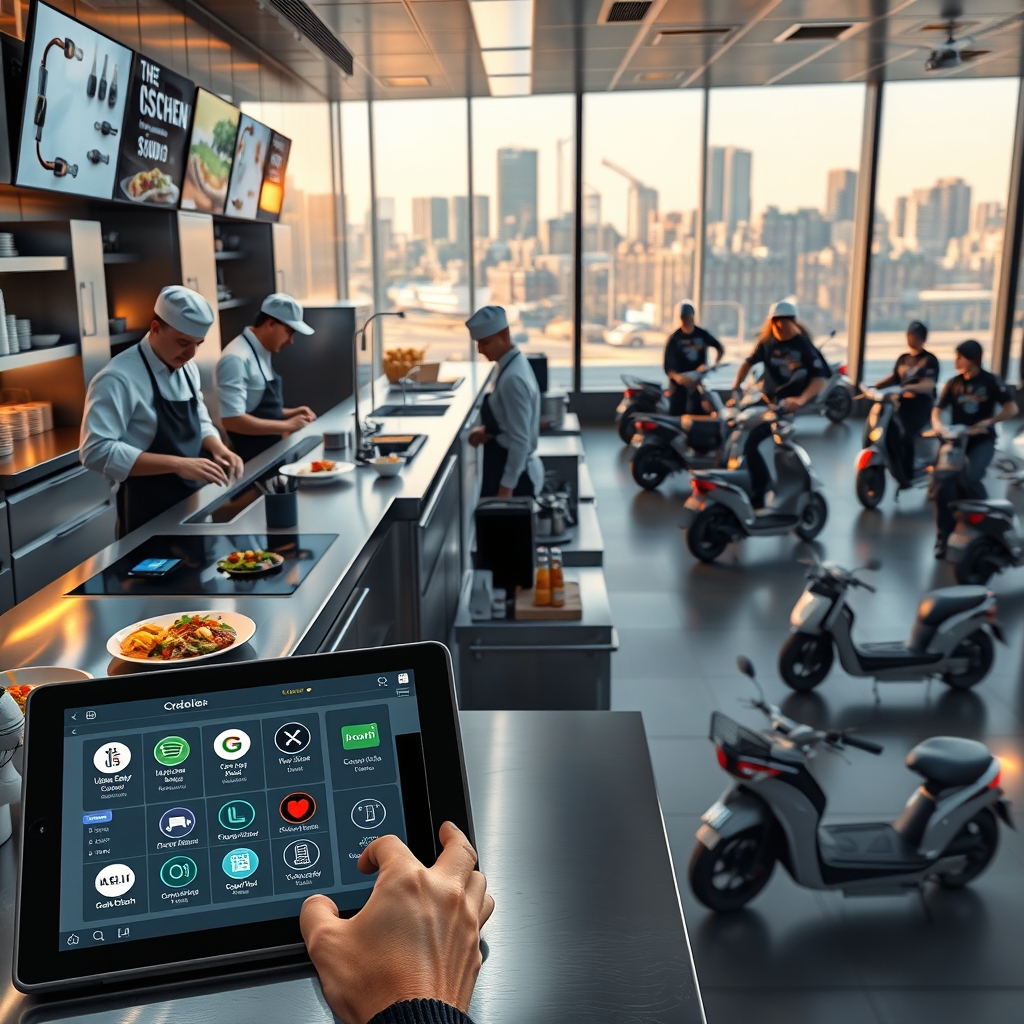
The food industry is undergoing a seismic shift, driven by changing consumer behaviors and the relentless march of technology. At the heart of this transformation lies the cloud kitchen—a concept that strips away the traditional restaurant model and replaces it with a lean, digital-first approach. For entrepreneurs and established restaurateurs alike, cloud kitchens represent not just an opportunity, but a revolution in how food is prepared, delivered, and experienced. If you’ve ever dreamed of launching a food business without the overhead of a brick-and-mortar location, now is the time to explore the potential of a virtual restaurant.
The Cloud Kitchen Advantage: Why Now?
Cloud kitchens, also known as ghost kitchens or virtual kitchens, are commercial cooking spaces designed exclusively for delivery and takeout. Unlike traditional restaurants, they don’t have dining areas, waitstaff, or the high rent associated with prime locations. This streamlined model offers several compelling advantages:
Lower Overhead Costs
One of the most significant barriers to entry in the restaurant industry is the cost of real estate. High-traffic locations come with premium rents, and the expenses don’t stop there—utilities, decor, and front-of-house staff all add up. Cloud kitchens eliminate these costs, allowing you to focus your resources on what truly matters: the food. By operating in a shared or dedicated kitchen space, you can significantly reduce your startup and operational costs, making it easier to turn a profit sooner.
Flexibility and Scalability
Cloud kitchens offer unparalleled flexibility. Without the constraints of a physical dining space, you can experiment with multiple brands, cuisines, or menus from a single kitchen. This agility allows you to test new concepts, pivot quickly based on customer feedback, and scale your business without the need for additional real estate. Whether you want to launch a single virtual restaurant or a portfolio of brands, the cloud kitchen model adapts to your vision.
Data-Driven Decision Making
In the digital age, data is king. Cloud kitchens thrive on the insights generated by online orders, customer reviews, and delivery metrics. With the right technology, you can track which dishes are performing best, identify peak ordering times, and optimize your menu for maximum profitability. This data-driven approach allows you to make informed decisions, refine your offerings, and stay ahead of the competition in an increasingly crowded market.
Choosing the Right Operational Model
Not all cloud kitchens are created equal. The model you choose will depend on your goals, budget, and level of experience. Here are the three primary operational models to consider:
Shared or Commissary Kitchens
Shared kitchens, also known as commissary kitchens, are commercial spaces rented by multiple food businesses. These kitchens provide the equipment, utilities, and sometimes even staff, allowing you to focus solely on cooking and delivering your food. This model is ideal for startups or small businesses looking to minimize upfront costs and test their concept before committing to a larger investment. However, shared kitchens come with limitations, such as limited storage space and potential scheduling conflicts with other tenants.
Dedicated Cloud Kitchens
A dedicated cloud kitchen is a private space leased or owned by a single business. This model offers more control over your operations, including customization of the kitchen layout, equipment, and workflow. While the upfront costs are higher than a shared kitchen, a dedicated space allows for greater efficiency, branding opportunities, and the ability to scale without constraints. This model is best suited for established businesses or those with a clear vision and the resources to execute it.
Hybrid Models
Some cloud kitchens operate as a hybrid of shared and dedicated spaces. For example, you might rent a dedicated kitchen but share delivery logistics or marketing resources with other businesses. This model can offer a balance between cost savings and operational control, making it a popular choice for businesses looking to dip their toes into the cloud kitchen space without fully committing to one model.
Technology: The Backbone of Your Virtual Restaurant
In the world of cloud kitchens, technology is not just a tool—it’s the backbone of your entire operation. From order management to delivery logistics, the right tech stack can make or break your virtual restaurant. Here’s what you need to consider:
Order Management Systems
An efficient order management system (OMS) is the nerve center of your cloud kitchen. It should seamlessly integrate with third-party delivery platforms like Uber Eats, DoorDash, and Grubhub, as well as your own website or app. Look for a system that offers real-time order tracking, automated notifications, and analytics to help you streamline operations and improve customer satisfaction. Popular options include Toast, Square for Restaurants, and ChowNow.
Kitchen Display Systems
In a fast-paced cloud kitchen, every second counts. A kitchen display system (KDS) replaces traditional paper tickets with digital screens that show orders in real time. This technology helps reduce errors, improve communication between front-of-house and kitchen staff, and speed up order fulfillment. Many OMS platforms include KDS functionality, but standalone options like Fresh KDS and QSR Automations are also worth considering.
Delivery and Logistics
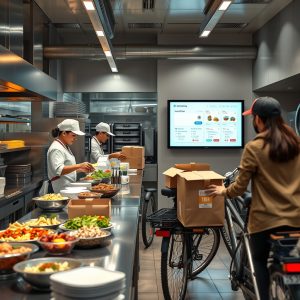
Delivery is the lifeblood of your cloud kitchen, so it’s essential to get it right. While third-party delivery platforms offer convenience, they also come with high commission fees—sometimes as much as 30% per order. To mitigate these costs, consider building your own delivery fleet or partnering with a white-label delivery service. Alternatively, you can offer pickup options or incentivize customers to order directly through your website to avoid third-party fees.
Marketing Your Virtual Restaurant: Standing Out in a Crowded Market
With the rise of cloud kitchens, the competition for customers’ attention has never been fiercer. To succeed, you need a marketing strategy that cuts through the noise and builds a loyal customer base. Here’s how to make your virtual restaurant stand out:
Leverage Social Media
Social media is a powerful tool for promoting your virtual restaurant. Platforms like Instagram, TikTok, and Facebook allow you to showcase your food, engage with customers, and build a community around your brand. Use high-quality photos and videos to highlight your dishes, share behind-the-scenes content, and run promotions or giveaways to attract new followers. Influencer partnerships can also help you reach a wider audience and build credibility.
Optimize for Search and Discovery
With so many virtual restaurants vying for attention, it’s crucial to optimize your online presence for search and discovery. Start by ensuring your restaurant is listed on all major delivery platforms and that your menu, photos, and descriptions are up to date. Invest in search engine optimization (SEO) for your website, using keywords like “best [cuisine] delivery in [city]” to improve your visibility in local search results. Additionally, encourage customers to leave reviews, as positive ratings can boost your ranking on delivery platforms.
Build a Direct Relationship with Customers
While third-party delivery platforms are convenient, they also create a barrier between you and your customers. To build a direct relationship, encourage customers to order through your website or app by offering exclusive deals, loyalty programs, or freebies. Email marketing is another effective way to stay in touch, sharing updates, promotions, and personalized offers to keep your brand top of mind.
The rise of cloud kitchens is more than just a trend—it’s a fundamental shift in how food businesses operate. By embracing this model, you’re not just launching a restaurant; you’re joining a movement that prioritizes efficiency, innovation, and customer-centric experiences. The barriers to entry have never been lower, and the potential for growth has never been greater. Whether you’re a seasoned restaurateur or a first-time entrepreneur, the cloud kitchen model offers a pathway to success that is as exciting as it is accessible. The question isn’t whether you can afford to launch a virtual restaurant—it’s whether you can afford not to.