The Last Mile Litmus Test: How Catering Services Are Redefining Reliability in the Age of On-Demand Expectations
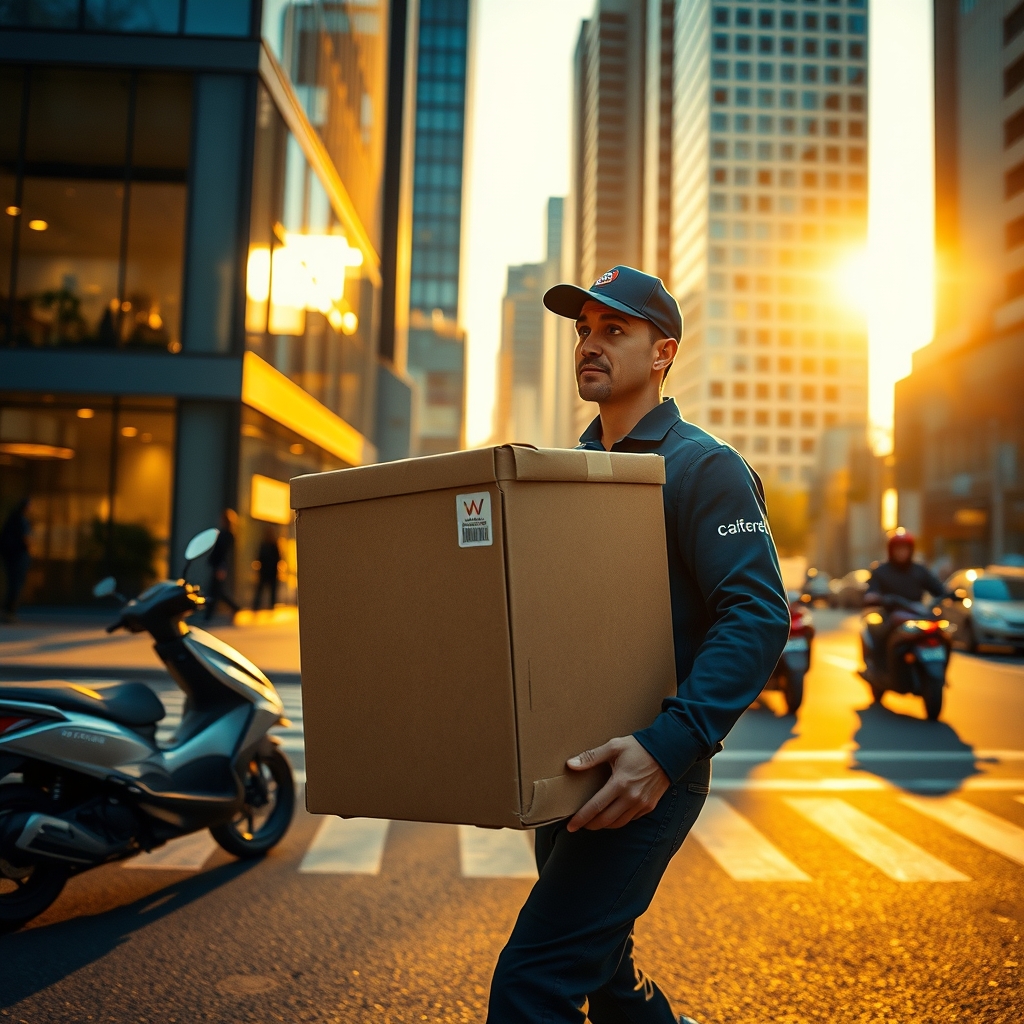
The modern catering industry is no longer just about the food—it’s about the promise. A promise of punctuality, precision, and an experience so seamless that the logistics behind it become invisible. Yet, as consumer expectations evolve toward instant gratification, the pressure on catering services to deliver not just meals but trust has never been more intense. The last mile—the final leg of the delivery journey—has emerged as the ultimate litmus test for reliability, where the difference between success and failure hinges on a delicate balance of speed, transparency, and operational finesse.
The Illusion of Simplicity in On-Demand Catering
At first glance, the rise of on-demand catering appears to be a triumph of convenience. With a few taps on a screen, customers can summon a gourmet meal, a corporate spread, or an event-worthy feast, all without leaving their homes or offices. But beneath this veneer of simplicity lies a labyrinth of logistical challenges. The last mile is where the illusion of effortlessness is most fragile, where variables like traffic, weather, and human error conspire to disrupt even the most meticulously planned deliveries.
For catering businesses, the stakes are high. A delayed delivery doesn’t just mean a cold meal—it means a broken promise, a tarnished reputation, and, in the worst cases, a lost customer. The modern consumer doesn’t just want food; they want it now, and they want it to arrive exactly as imagined. This shift in expectations has forced catering services to rethink their approach to logistics, transforming the last mile from a mere operational hurdle into a strategic battleground.
The Logistics Paradox: Speed vs. Sensory Integrity
The demand for speed in catering delivery is relentless, but it comes with a paradox: the faster the delivery, the greater the risk to sensory integrity. A meal that arrives in 30 minutes might be piping hot, but if it’s been jostled, compressed, or improperly packaged, the quality suffers. Conversely, a perfectly presented dish that arrives late is just as likely to disappoint. The challenge for catering services is to navigate this paradox without compromising on either front.
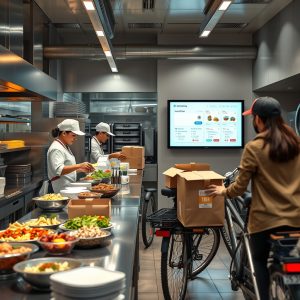
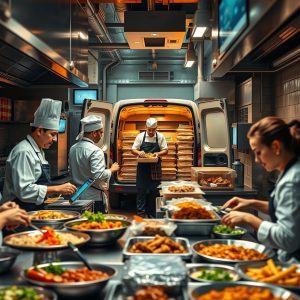
This is where micro-logistics come into play. By breaking down the last mile into smaller, more manageable segments, catering businesses can exert greater control over the delivery process. Real-time tracking, dynamic routing, and temperature-controlled packaging are no longer luxuries—they’re necessities. The goal isn’t just to deliver food quickly; it’s to deliver an experience that feels effortless, even when the logistics behind it are anything but.
The Role of Technology in Closing the Gap
Technology has become the great equalizer in the last-mile challenge. Advanced algorithms now predict delivery times with uncanny accuracy, adjusting routes in real-time to account for traffic or weather delays. AI-driven customer service platforms provide instant updates, reducing the anxiety of waiting and reinforcing trust. Meanwhile, cloud-based inventory systems ensure that catering businesses can scale their operations without sacrificing quality, whether they’re fulfilling a single order or a corporate event for hundreds.
But technology alone isn’t enough. The human element remains critical. Drivers trained in customer service excellence can turn a routine delivery into a memorable interaction, while kitchen staff who understand the nuances of packaging can ensure that every dish arrives in pristine condition. The most successful catering services are those that blend cutting-edge technology with old-fashioned attention to detail, creating a seamless experience that feels both modern and personal.
The Customer Trust Economy
In an era where reviews and ratings can make or break a business, trust has become the most valuable currency in the catering industry. Customers don’t just evaluate the food—they evaluate the entire experience, from the ease of ordering to the reliability of delivery. A single misstep in the last mile can undo years of brand-building, while a flawless delivery can turn a first-time customer into a loyal advocate.
This trust economy has forced catering services to adopt a more transparent approach to logistics. Customers want to know where their order is at every stage of the journey, and they expect proactive communication if delays occur. The days of opaque delivery windows are over; today’s consumers demand real-time visibility, and catering businesses that fail to provide it risk being left behind.
The Future of Catering Logistics: Beyond the Last Mile
As the catering industry continues to evolve, the last mile will remain a critical focus, but the conversation is already shifting toward what comes next. The rise of cloud kitchens and ghost kitchens has decoupled food preparation from physical locations, allowing catering services to operate with unprecedented flexibility. Meanwhile, the integration of AI and machine learning is enabling predictive logistics, where potential delays are identified and mitigated before they even occur.
Yet, for all the advancements in technology, the core challenge remains the same: how to deliver not just food, but an experience that feels personal, reliable, and effortless. The catering services that succeed in this new landscape will be those that recognize the last mile isn’t just a logistical hurdle—it’s an opportunity to redefine what it means to deliver excellence. Every meal is a promise, and in the age of on-demand expectations, keeping that promise is the ultimate competitive advantage.
The last mile isn’t just the final step in the delivery process—it’s the moment where catering services prove their worth. In an industry where convenience is king, reliability is the throne, and the businesses that master the art of the last mile will be the ones that reign supreme. The question isn’t whether catering services can meet the demands of the modern consumer; it’s whether they can do so without losing sight of what truly matters—the human connection that turns a simple meal into an unforgettable experience.